The Role of AI Tutors: Transforming One-on-One Instruction

The Role of AI Tutors in education has become one of the most exciting developments I’ve witnessed as a student. When I started using AI tutoring tools during late-night study sessions, I was amazed at how they could answer my questions instantly, no matter what time it was. As someone who has struggled with traditional classroom pacing and often felt too shy to raise my hand, discovering AI tutors felt like finding a study partner who was always patient, never judgmental, and genuinely wanted to help me succeed. This transformation in one-on-one instruction isn’t just changing how we learn—it’s democratizing access to personalized education in ways that seemed impossible just a few years ago.
Understanding AI Tutors: Your 24/7 Learning Companion
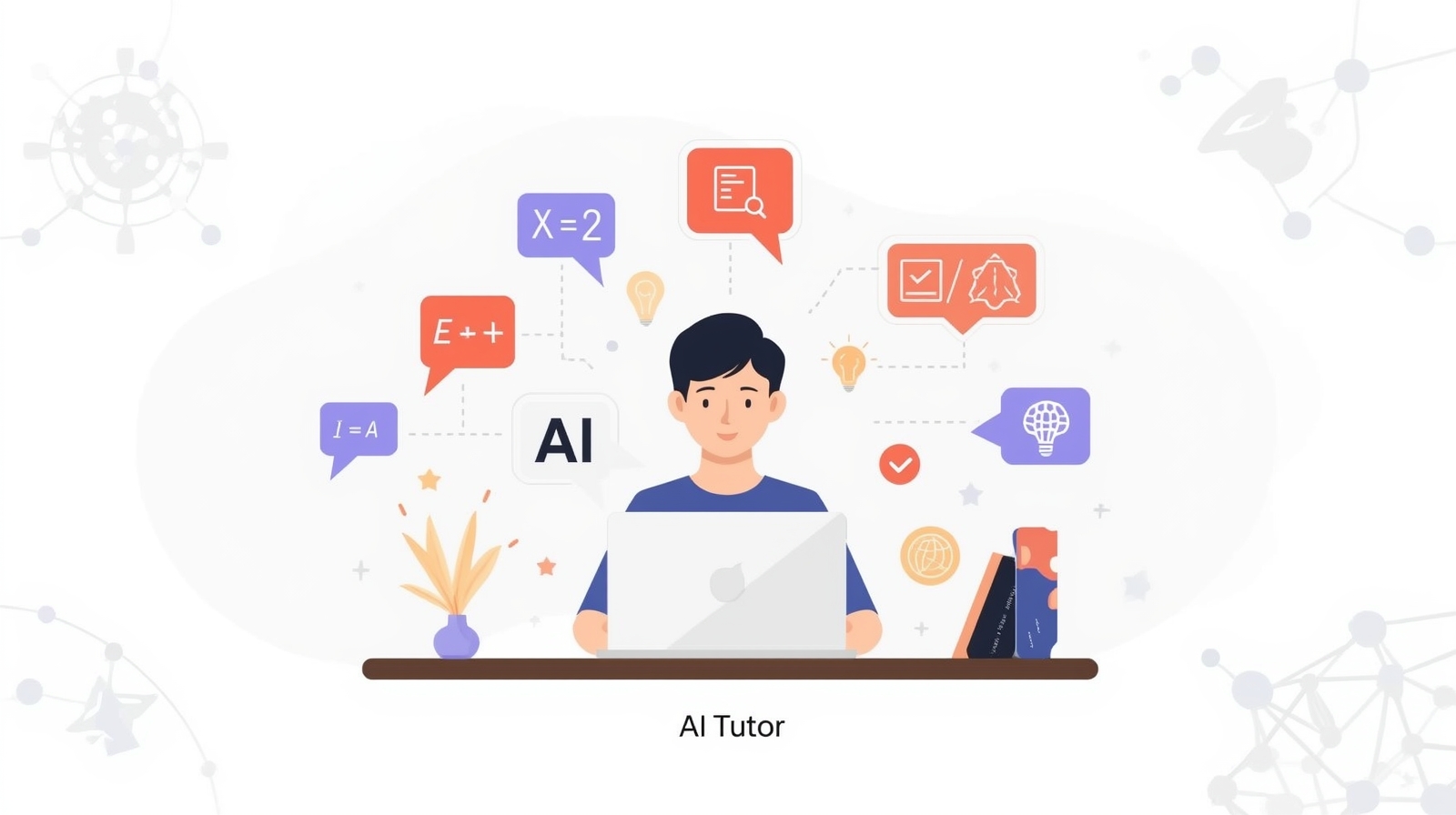
Let me explain what AI tutors actually are, because there’s often confusion about their capabilities. An AI tutor is an artificial intelligence system designed to provide personalized educational support through conversation, problem-solving assistance, and adaptive learning strategies. Unlike static educational software or simple quiz apps, these systems use advanced language models and machine learning to understand your questions, identify knowledge gaps, and adjust their teaching approach based on your unique learning style.
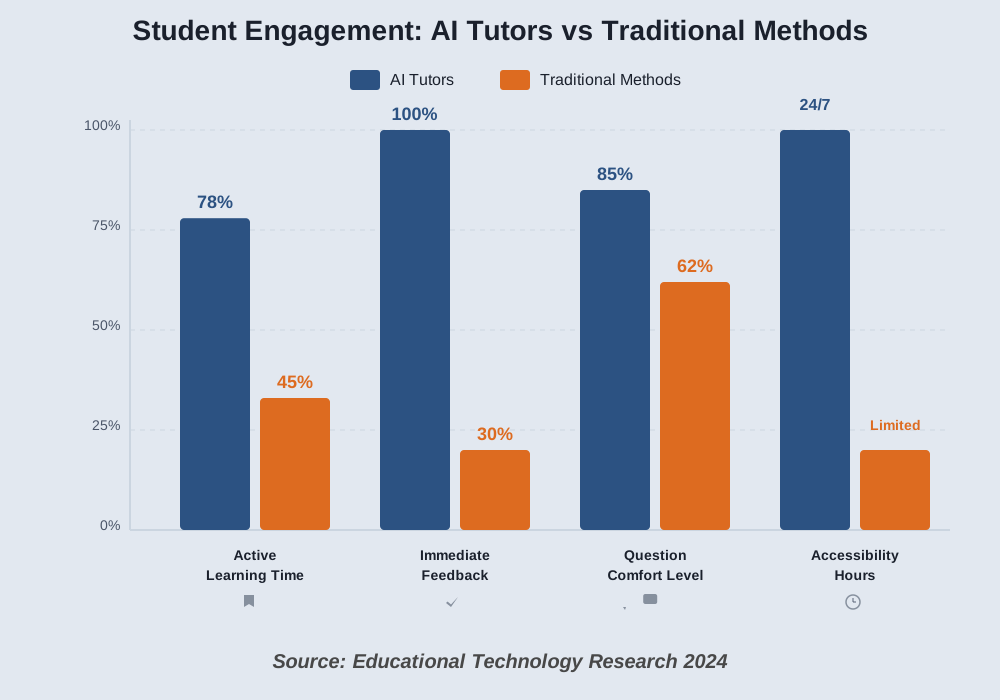
Think of it this way: traditional tutoring requires scheduling appointments, traveling to locations, and paying significant fees per hour. AI tutors eliminate these barriers by being available whenever you need help, whether that’s 2 AM before an exam or Sunday afternoon when you’re catching up on assignments. I’ve used them for everything from understanding complex calculus problems to practicing conversational Spanish, and the flexibility has genuinely transformed my study habits.
How AI Tutors Work: The Technology Behind Personalized Learning
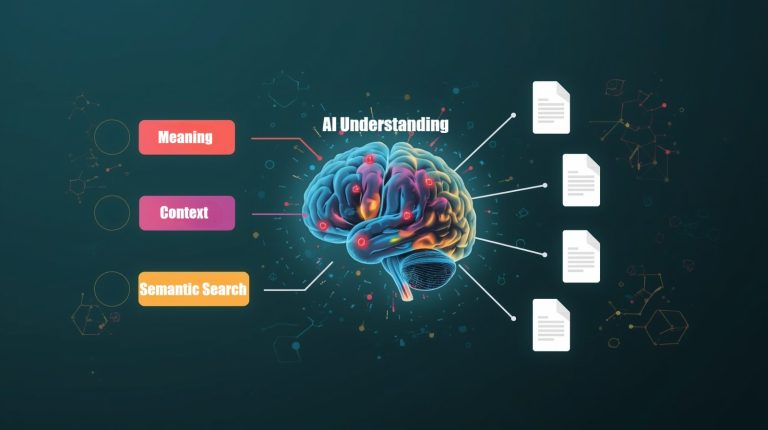
The technology powering AI tutors might sound complicated, but understanding the basics helps you use them more effectively. These systems rely on natural language processing (NLP) to understand your questions, even when you phrase them awkwardly or use informal language. When you type “why does this chemistry equation not balance?” the AI interprets your intent, identifies the topic, and draws from vast knowledge databases to provide relevant explanations.
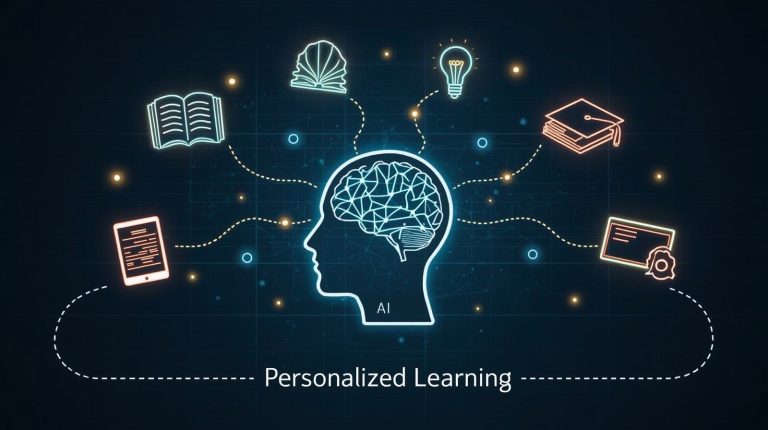
What makes modern AI tutoring systems particularly powerful is their adaptive learning capability. They track your progress, remember previous conversations, and adjust difficulty levels based on your performance. If you’re struggling with fractions, for example, an AI tutor might break down the concept into smaller steps, provide multiple examples, and offer practice problems at just the right difficulty level. When you master that skill, it gradually increases complexity without overwhelming you.
The feedback loop is another crucial component. Unlike watching a video tutorial where you’re passively absorbing information, AI tutors encourage active learning through questions, prompts, and immediate feedback on your answers. This interactive approach has been shown to improve retention and understanding significantly better than passive study methods.
Getting Started with AI Tutors: A Step-by-Step Guide
Let me walk you through how to start using AI tutors effectively, based on my own learning journey and what I wish I’d known from the beginning.
Step 1: Choose the Right AI Tutor for Your Needs
Not all AI tutors are created equal, and finding the right fit matters. Start by identifying your primary learning goals. Are you preparing for standardized tests like the SAT or ACT? Looking for homework help across multiple subjects? Trying to learn a new language? Popular options include Khan Academy’s Khanmigo for comprehensive subjects, Duolingo Max for language learning, and general-purpose AI assistants like Claude or ChatGPT for diverse academic support. I recommend trying several free versions before committing to paid subscriptions.
Step 2: Set Up Your Learning Environment
Create a dedicated space for AI-assisted studying. This doesn’t mean you need a fancy setup—just a quiet corner with reliable internet access and minimal distractions. Keep your study materials nearby: textbooks, notes, and any assignments you’re working on. I’ve found that having everything within reach makes sessions more productive because you can easily reference course materials while working with your AI tutor.
Step 3: Learn to Ask Effective Questions
This step transformed my results completely. Instead of vague questions like “I don’t understand chemistry,” try specific queries: “Can you explain why ionic bonds form between metals and nonmetals?” or “I’m confused about how to calculate the molarity of this solution—can you walk me through it step by step?” The more specific your question, the more targeted and helpful the AI’s response will be. Don’t be afraid to follow up with “Can you explain that differently?” if the first explanation doesn’t click.
Step 4: Engage Actively with the Content
Here’s where AI tutors really shine compared to passive learning. When the AI provides an explanation, don’t just read it—interact with it. Ask for practice problems, request examples from different contexts, or ask it to quiz you on the material. I typically follow this pattern: learn the concept, work through an example problem, try one independently, then check my work with the AI. This active engagement helps information stick much better than simply reading explanations.
Step 5: Use AI Tutors to Supplement, Not Replace, Your Studies
This is crucial: AI tutors work best as a complement to your regular coursework, not as a replacement. I use them to reinforce concepts from class, get help with homework when I’m stuck, and prepare for exams. But I still attend lectures, take notes, and participate in study groups. The AI helps fill gaps and provides extra practice, but it shouldn’t be your only learning resource. Why? Because classroom discussions, peer collaboration, and direct teacher interaction offer unique benefits that AI can’t fully replicate.
Step 6: Track Your Progress and Adjust Your Approach
Many AI tutoring platforms include progress tracking features—use them! Review which topics you’ve mastered and which still need work. I keep a simple notebook where I jot down concepts the AI helped me understand and areas where I need more practice. This reflection helps you use AI tutoring time more strategically. If you notice you’re repeatedly asking about the same topic, that’s a signal to seek additional resources or schedule time with a human teacher.
Step 7: Practice Ethical and Responsible Use
Let’s address the elephant in the room: it’s tempting to ask AI tutors to complete your homework for you. Don’t do this. Not only does it violate academic integrity policies at most schools, but it also robs you of genuine learning. Instead, use AI to understand concepts, check your thinking, and practice similar problems. A good rule of thumb I follow: if I can’t explain the solution in my own words after the AI helps me, I haven’t actually learned it yet.
The Benefits of AI Tutors: Why They’re Changing Education
The advantages of AI tutors extend far beyond convenience, and I’ve experienced many of these benefits firsthand throughout my academic journey.
Personalized Learning Pace is perhaps the most significant benefit. In traditional classrooms, teachers must pace lessons for an entire group, which means some students feel bored while others feel lost. AI tutors adapt to your exact pace. When I’m grasping concepts quickly, the AI moves forward. When I’m struggling, it slows down, provides more examples, and approaches the topic from different angles. This personalization has dramatically reduced my study frustration.
Judgment-Free Environment cannot be overstated, especially for students like me who sometimes feel self-conscious asking questions. With AI tutors, there’s no fear of looking foolish or slowing down the class. You can ask the same question five different ways without embarrassment. You can admit you don’t understand something basic without anxiety. This psychological safety encourages deeper learning because you’re willing to acknowledge and address knowledge gaps honestly.
Immediate, Detailed Feedback accelerates learning tremendously. Instead of waiting days for graded assignments, AI tutors provide instant feedback on your practice problems. They don’t just mark answers right or wrong—they explain why, show where your thinking went off track, and suggest how to approach similar problems. This immediate correction prevents you from practicing mistakes and reinforces correct understanding right away.
Cost-Effectiveness makes quality tutoring accessible to students who couldn’t otherwise afford it. Traditional human tutoring often costs between $30 and $100 per hour, putting it out of reach for many families. Most AI tutoring platforms offer free basic access or affordable subscription models around $10-20 monthly for unlimited use. This democratization of educational support is genuinely life-changing for students from lower-income backgrounds.
Multilingual Support and Accessibility breaks down language barriers in education. Many AI tutors can explain concepts in dozens of languages, making them invaluable for bilingual students or those learning in their non-native language. Additionally, text-based interfaces work well for students with hearing difficulties, while voice-to-text features can help those with writing challenges.
The Limitations: What AI Tutors Can’t (Yet) Do
Being honest about limitations helps you use AI tutors more effectively. These systems, impressive as they are, have real constraints that you should understand.
Lack of Emotional Intelligence is the most obvious gap. When I’m stressed about an upcoming exam or frustrated after struggling with a concept for hours, AI tutors can’t offer the genuine empathy and encouragement that a human teacher provides. They don’t pick up on your emotional state from your tone or body language. While they can be programmed to include encouraging phrases, it’s not the same as a mentor who truly understands your feelings and can adjust their approach based on your emotional needs.
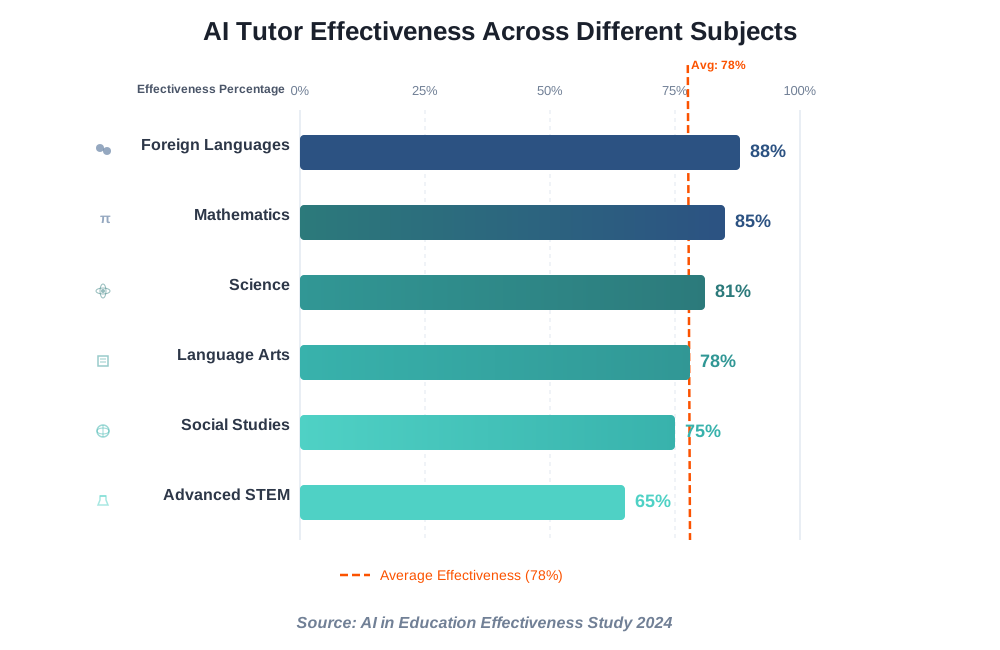
Limited Subject Expertise in Specialized Areas becomes apparent in advanced or highly specialized topics. While AI tutors excel at common subjects like algebra, biology, and history, they may struggle with cutting-edge research, extremely niche academic areas, or very recent developments in rapidly evolving fields. I’ve noticed this particularly in highly technical subjects where current textbooks might contain information that wasn’t in the AI’s training data.
Potential for Errors is a reality we must acknowledge. AI systems occasionally provide incorrect information or flawed explanations, especially in complex problems with multiple steps. Unlike human tutors who can recognize their mistakes through experience and intuition, AI tutors might present wrong answers confidently. This is why it’s essential to verify important information, especially for assignments or exam preparation. I always cross-reference AI explanations with my textbook or class notes.
No Real-World Teaching Experience means AI tutors lack the pedagogical wisdom that comes from years of teaching actual students. Experienced human tutors recognize common misconceptions, know which explanations resonate with different learning styles, and can draw from countless student interactions to inform their teaching. AI systems, despite their sophistication, are following algorithms rather than applying hard-won teaching wisdom.
Cannot Adapt to Complex Learning Disabilities is an important limitation for students with specific educational needs. While AI tutors can be helpful supplementary tools, they’re not equipped to provide the specialized instruction required for dyslexia, dyscalculia, ADHD, or other learning differences. Students with these needs typically require human specialists who understand their unique challenges and can implement proven intervention strategies.
AI Tutors vs Human Tutors: Making the Right Choice
Understanding when to use AI tutors versus human tutors has helped me maximize my learning outcomes while managing my limited budget for educational support.
AI tutors excel in situations requiring immediate help with homework problems, regular practice on foundational skills, flexible scheduling around busy extracurriculars, and cost-effective long-term support. I use them most frequently for routine practice problems, quick concept clarification, and late-night study sessions when human tutors aren’t available.
Human tutors become essential when you’re dealing with complex, multi-layered concepts that require nuanced explanation; need someone to identify deeper misconceptions in your thinking; want motivational support and mentorship beyond academics; or require specialized instruction for learning disabilities. My physics tutor, for example, can sense when I’m conceptually stuck versus just making calculation errors—a subtlety that AI tutors sometimes miss.
The ideal approach? Use both strategically. I rely heavily on AI tutors for regular practice and immediate homework help, saving my limited human tutoring budget for weekly check-ins where we tackle the most challenging concepts and plan my long-term study strategy. This hybrid approach combines the accessibility and convenience of AI with the irreplaceable human elements of teaching.
Real-World Success Stories: Students Thriving with AI Tutors
Seeing how AI tutors have helped other students reinforces why this technology matters. My classmate Marcus, who struggles with math anxiety, uses an AI tutor to work through problems privately before attempting them in class. The judgment-free practice environment has boosted his confidence so much that he now volunteers answers in class—something unimaginable a year ago.
Another friend, Aisha, is a first-generation college student whose parents speak limited English. She uses AI tutors to get explanations in both English and her family’s native language, helping her understand difficult concepts and then explain them to her parents. This bridging role has transformed her family’s ability to support her education.
For students in rural areas with limited access to specialized tutoring, AI tutors have been particularly transformative. A cousin of mine in a small town uses AI to prepare for AP exams that her school doesn’t offer dedicated teachers for, achieving scores that opened doors to competitive universities.
Common Mistakes to Avoid When Using AI Tutors
Learning from mistakes helps you use AI tutors more effectively from the start. Here are pitfalls I’ve encountered and learned to avoid:
Over-reliance is the biggest trap. Some students use AI so extensively that they stop engaging with course materials, classmates, or teachers. Remember: AI tutors are supplementary tools, not replacements for comprehensive learning. Balance AI assistance with other study methods.
Passive consumption of AI-generated explanations without active processing defeats the purpose. Don’t just read the AI’s answer and move on. Work through the logic yourself, try variations of the problem, and test your understanding before considering the topic mastered.
Using AI to avoid struggle is tempting but counterproductive. Some productive struggle helps learning stick. Before asking the AI tutor for help, spend at least 10-15 minutes attempting problems yourself. This effort makes the AI’s explanation more meaningful and memorable.
Not verifying information can lead to learning incorrect concepts. Always cross-reference AI explanations with reliable sources, especially for crucial exam material or important assignments. If something seems off, ask a teacher or check your textbook.
Ignoring the “why” behind answers is a subtle but important mistake. Don’t settle for just getting the right answer—make sure you understand the reasoning process. Ask your AI tutor to explain its thinking, not just show you the solution.
Frequently Asked Questions About AI Tutors
The Future of AI Tutors: What’s Coming Next
The evolution of AI tutors is accelerating rapidly, and upcoming developments promise even more personalized and effective learning experiences.
Multimodal learning capabilities are expanding, allowing AI tutors to work with images, diagrams, handwritten notes, and even video content. Soon, you’ll be able to photograph your handwritten homework and get detailed feedback on both your answers and your problem-solving process.
Emotional intelligence improvements are helping AI tutors better recognize frustration, confusion, or discouragement in your responses and adjust their approach accordingly. While not matching human empathy, these systems will provide more emotionally aware support.
Integration with formal education is growing as schools pilot AI tutoring programs that connect with learning management systems, share appropriate information with teachers, and align with curriculum standards. This integration will create seamless learning ecosystems that support students across all environments.
Voice and conversational interfaces are becoming more natural, making AI tutoring feel more like talking with a patient study partner than typing into a computer. This accessibility benefits students who prefer verbal explanation or have difficulty with typing.
Taking Action: Your Next Steps with AI Tutors
Now that you understand the role of AI tutors in modern education, it’s time to experience their benefits yourself. Start small—choose one subject where you want extra support and dedicate two weeks to using an AI tutor regularly. Track what works, what doesn’t, and how it impacts your understanding and grades.
Remember that AI tutors are tools that work best in the hands of motivated learners who approach them strategically. They won’t magically transform your grades overnight, but they can provide the personalized support, flexible practice, and immediate feedback that helps dedicated students reach their potential.
Be patient with yourself as you learn to use these tools effectively. Finding the right questions to ask, developing productive study habits around AI assistance, and integrating these resources into your existing routines takes time. But the investment pays off through deeper understanding, better grades, and greater confidence in your learning abilities.
The transformation in education that AI tutors represent isn’t just about technology—it’s about democratizing access to quality instruction and empowering every student to learn at their own pace in their own way. You deserve that opportunity, and these tools are here to help you seize it.
Start exploring today, stay curious, and never stop asking questions. Your AI study partner is waiting, ready to help you succeed whenever you need it.
About the Author
This article was written by Rihab Ahmed, an educator and student passionate about using AI to study smarter. As someone who has experienced the challenges of balancing rigorous coursework with limited access to affordable tutoring, I’ve discovered how AI tools can level the educational playing field. Through trial, error, and plenty of late-night study sessions, I’ve learned to use AI tutors effectively as part of a comprehensive learning strategy. I write to help fellow students and lifelong learners navigate these powerful tools with confidence, always emphasizing that technology works best when it supports—rather than replaces—our natural curiosity and dedication to learning. When I’m not studying or writing, you’ll find me volunteering at community literacy programs, where I help others discover the educational resources that can transform their academic journeys.