AI-Powered Pronunciation: Master Language Sounds

Have you ever felt frustrated trying to roll your Rs in Spanish or nail that tricky “th” sound in English? I’ve been there—practicing the same word dozens of times, wondering if I’m even close to getting it right. That’s exactly why I got excited when I discovered AI-Powered Pronunciation tools. These smart applications listen to how you speak, analyze your accent down to individual sounds, and give you instant, personalized feedback that actually helps you improve. No more guessing, no more embarrassment—just clear guidance toward speaking confidently in any language you’re learning.
What Is AI-Powered Pronunciation?
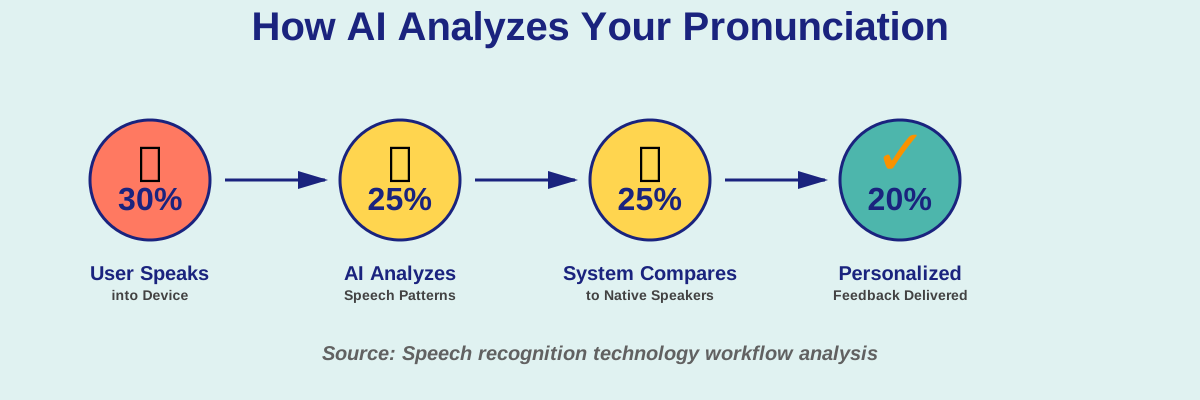
AI-Powered Pronunciation technology uses artificial intelligence to evaluate how you pronounce words and sounds in a foreign language. Think of it as having a patient, expert tutor who never gets tired of listening to you practice. These tools analyze your voice recordings using speech recognition algorithms and phonetic analysis, comparing your pronunciation to native speaker models. The AI identifies exactly which sounds you’re struggling with and provides targeted exercises to help you improve.
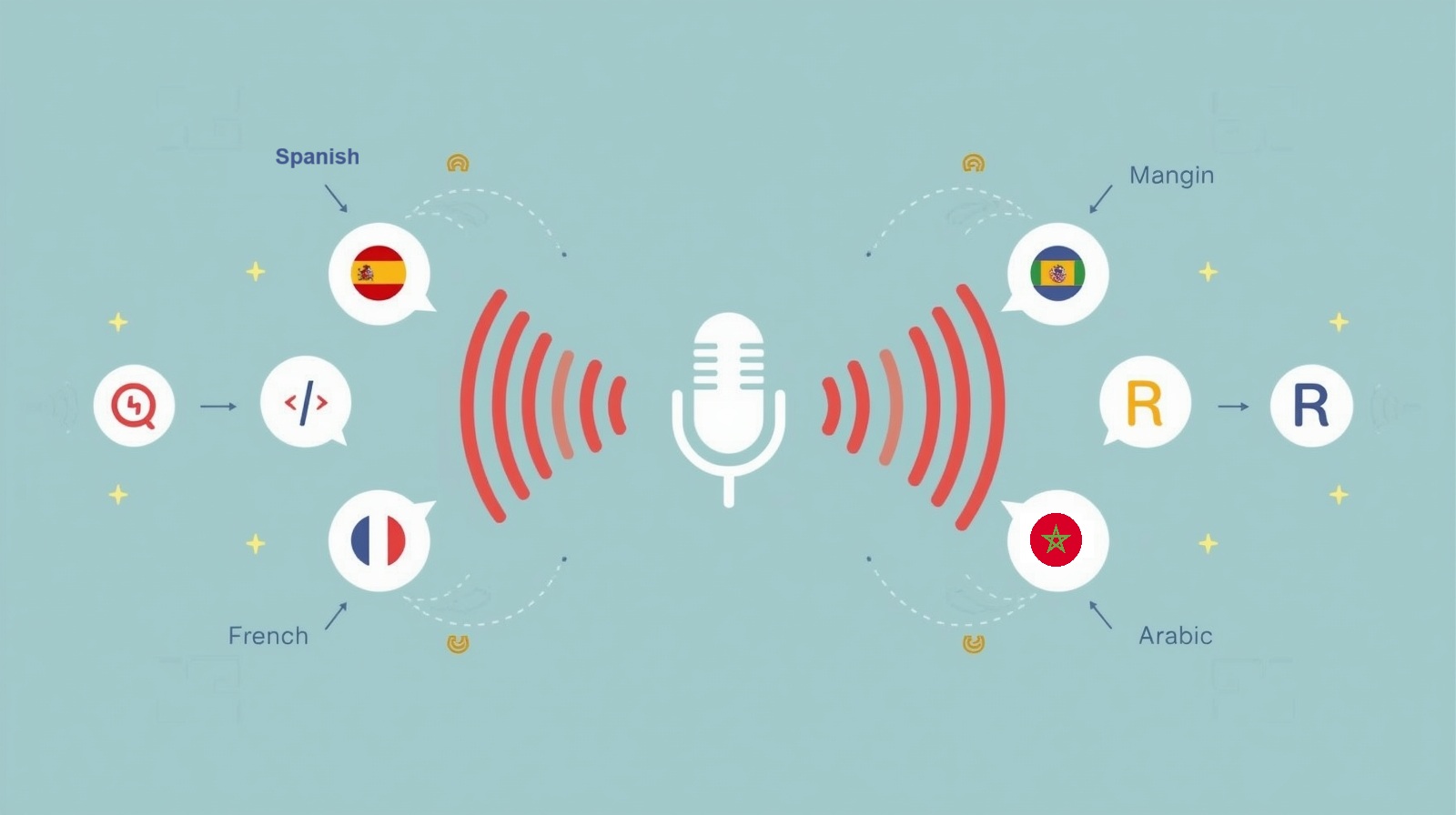
The beauty of this technology is that it’s available anytime, anywhere—right on your smartphone or computer. Whether you’re learning French, Mandarin, Arabic, or English, AI pronunciation tools make getting personalized feedback incredibly accessible and affordable compared to traditional one-on-one tutoring.
Why AI-Powered Pronunciation Matters for Language Learners
Speaking clearly in a new language isn’t just about vocabulary and grammar—it’s about being understood. Poor pronunciation can lead to miscommunication, frustration, and even embarrassment. I remember ordering food in a restaurant abroad and having the waiter look completely confused because I mispronounced a single vowel sound. That moment taught me that pronunciation practice isn’t optional—it’s essential.
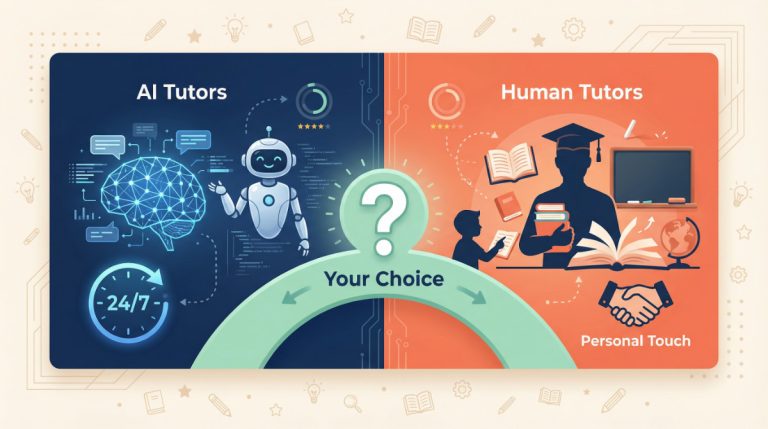
Traditional language classes often focus heavily on reading and writing, leaving pronunciation as an afterthought. Teachers don’t always have time to correct every student’s accent individually. That’s where AI language learning tools become game-changers. They offer:
- Instant feedback on every word you practice
- Personalized learning paths based on your specific pronunciation challenges
- Unlimited practice opportunities without judgment
- Progress tracking to see how much you’ve improved over time
How AI-Powered Pronunciation Tools Work
Understanding how these tools function helps you use them more effectively. Here’s what happens behind the scenes:
Speech Recognition and Analysis
When you speak into the app, the AI uses speech recognition technology to transcribe what you said. But it goes beyond simple transcription—it analyzes your pronunciation at the phoneme level (the smallest units of sound in language). The system compares your pronunciation against a database of native speaker recordings, identifying discrepancies in:
- Individual sound production
- Word stress patterns
- Intonation and rhythm
- Speaking pace
Real-Time Feedback
Most modern pronunciation apps provide feedback within seconds. You’ll see visual indicators showing which parts of a word you pronounced correctly (usually in green) and which need work (often in red or orange). Some apps even show you a waveform comparison between your voice and the target pronunciation, making it easy to spot differences.
Adaptive Learning
The smartest AI pronunciation tools learn from your performance. If you consistently struggle with certain sounds—like the French “r” or the English “v”—the AI will automatically create more practice exercises focusing on those specific challenges. This personalized feedback ensures you’re always working on what matters most for your improvement.
Step-by-Step Guide: Getting Started with AI-Powered Pronunciation
Ready to improve your pronunciation? Follow these steps to begin your journey toward native-like fluency.
Step 1: Choose the Right AI Pronunciation Tool
Not all pronunciation apps are created equal. Research tools that specialize in your target language. Popular options include ELSA Speak for English, Speechling for multiple languages, and Pronounce for broader language support. Read reviews from other learners and check if the app offers a free trial so you can test it before committing.
Why this matters: Starting with the right tool saves you time and frustration. Some apps excel at certain languages, while others offer better features for your learning style.
Step 2: Complete Your Initial Assessment
Most quality apps begin with a placement test to evaluate your current pronunciation level. Speak naturally during this assessment—don’t try to sound perfect. The AI needs to understand your actual challenges to create an effective learning plan.
Why this matters: This baseline assessment helps the AI identify your specific pronunciation weaknesses and strengths, ensuring your practice time focuses on areas that need the most improvement.
Step 3: Set Realistic Daily Practice Goals
Consistency beats intensity when learning pronunciation. I recommend starting with just 10-15 minutes daily rather than hour-long sporadic sessions. Set a specific time each day—maybe during your morning coffee or commute—to practice.
Why this matters: Your mouth and brain need regular practice to build muscle memory for new sounds. Short, frequent sessions are far more effective than occasional marathon practices for developing accurate pronunciation.
Step 4: Focus on Individual Sounds First
Begin with phoneme-level practice. Work on mastering individual sounds before moving to full words and sentences. If you’re learning English and struggle with “th” sounds, spend several sessions just on those sounds using minimal pairs (words that differ by only one sound, like “think” and “sink”).
Why this matters: Building a strong foundation with individual sounds makes everything else easier. You can’t pronounce words correctly if you can’t produce their component sounds accurately.
Step 5: Record and Compare
Use the app’s recording feature to capture your pronunciation, then listen to it played back alongside the native speaker model. This side-by-side comparison is incredibly revealing. You’ll often hear differences you weren’t aware of while speaking.
Why this matters: Self-awareness is crucial for improvement. Hearing your pronunciation objectively helps you understand exactly what needs adjustment.
Step 6: Practice Challenging Words Repeatedly
When the AI identifies words you struggle with, don’t just practice them once. Return to those challenging words multiple times across different practice sessions. Use the spaced repetition approach—practice today, tomorrow, then again in three days, then a week later.
Why this matters: Difficult sounds require multiple exposures and practice attempts before your mouth can produce them consistently. Spaced repetition ensures long-term retention.
Step 7: Move to Sentence-Level Practice
Once you’re comfortable with individual sounds and words, progress to full sentences. This helps you develop natural rhythm, intonation, and stress patterns—aspects of pronunciation that are just as important as individual sounds.
Why this matters: Native-like pronunciation isn’t just about sounds—it’s about how you string them together. Sentence practice helps you sound more natural and fluent.
Step 8: Use Real-World Content
Many AI pronunciation apps now allow you to practice with content you actually care about—podcast transcripts, news articles, or even scripts from your favorite shows. This keeps practice engaging and relevant to your life.
Why this matters: You’re more likely to stick with practice when you’re working with interesting, meaningful content. Plus, you’ll learn pronunciation in contexts you’ll actually use.
Step 9: Track Your Progress
Review your progress metrics weekly. Most apps show improvement graphs, accuracy scores, and lists of sounds you’ve mastered. Celebrate small wins—maybe you finally nailed that French “r” or improved your English “v” sound.
Why this matters: Seeing tangible progress motivates you to continue. Language learning is a marathon, and visible improvements remind you that your efforts are paying off.
Step 10: Supplement with Conversation Practice
While AI tools are fantastic for building pronunciation skills, they can’t fully replace human interaction. Use language exchange apps, online tutors, or local conversation groups to practice what you’ve learned with real people.
Why this matters: Real conversations test your pronunciation skills in dynamic, unpredictable situations. This helps you develop confidence and adaptability that AI practice alone can’t provide.
Common Mistakes to Avoid
Rushing through exercises: Take your time. It’s better to do five words perfectly than twenty words sloppily. The AI is measuring quality, not quantity.
Ignoring feedback: When the app highlights an error, don’t just move on. Understand what you’re doing wrong and make a conscious effort to correct it.
Practicing in noisy environments: Background noise interferes with the AI’s ability to accurately analyze your speech. Find a quiet space for your practice sessions.
Skipping the basics: Don’t jump to advanced content if you haven’t mastered fundamental sounds. Build your skills progressively.
Giving up too quickly: Pronunciation improvement takes time. Some sounds might feel impossible at first, but with consistent practice, your mouth will learn to produce them. I struggled with the Arabic “ع” sound for weeks before something clicked.
Tips for Maximizing Your Results
Start with sounds that exist in your native language but are used differently in your target language. These are often easier to adjust to than completely foreign sounds.
Use a mirror while practicing. Watching your mouth position helps you match the target sound more accurately.
Record yourself reading a paragraph at the beginning of your learning journey, then again every month. You’ll be amazed at how much your pronunciation improves over time.
Join online communities of language learners. Sharing struggles and successes with others on the same journey keeps you motivated and provides valuable tips.
Don’t be afraid to exaggerate sounds initially. Overemphasizing new sounds helps your mouth learn the movements. You can scale back to natural pronunciation once you’ve developed muscle memory.
Frequently Asked Questions
Taking Your Next Steps
You now have everything you need to start improving your pronunciation with AI technology. The journey from struggling with unfamiliar sounds to speaking confidently in a new language is incredibly rewarding. I’ve seen friends go from being too shy to speak at all to holding full conversations with native speakers—all because they invested time in targeted pronunciation practice.
Remember, language fluency isn’t about perfection. It’s about communication and connection. AI pronunciation tools give you the confidence to speak up, knowing that you’re being understood clearly. They remove the anxiety of wondering whether you’re pronouncing things correctly.
Start today with just one 10-minute practice session. Download an app, complete the assessment, and work through your first lesson. Your future self—the one confidently ordering food in Paris, negotiating business in Shanghai, or making friends in Cairo—will thank you for taking this step.
Every fluent speaker started exactly where you are now. The difference is they decided to practice consistently, and with AI tools, you have access to resources that make this journey easier than ever before. Your pronunciation transformation starts with a single recorded word. What will yours be?
About the Author
This article was written by Rihab Ahmed, an educator and lifelong learner who uses AI tools to make studying more effective and enjoyable. Rihab specializes in helping students and language enthusiasts leverage technology to achieve their learning goals faster, with a focus on practical, beginner-friendly guidance that anyone can follow. When not writing about educational technology, Rihab enjoys exploring new languages and sharing study strategies that actually work in real life.