The Evolution of AI in Fashion Design History

Understanding AI’s Journey in Fashion
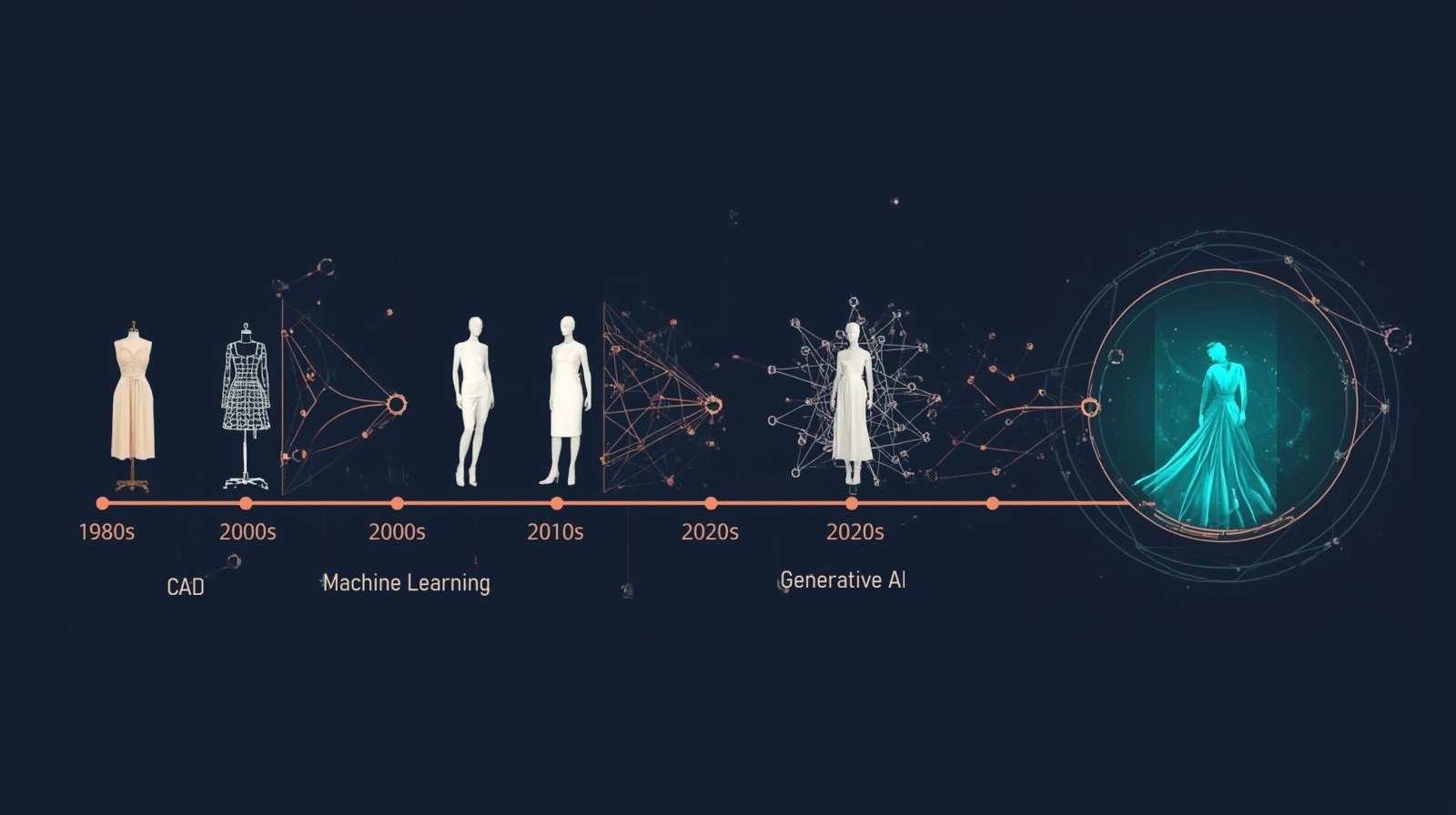
The Evolution of AI in Fashion Design represents one of the most fascinating technological transformations in creative industries. When I started exploring how artificial intelligence entered the world of haute couture and ready-to-wear collections, I was amazed by how far we’ve come—from simple computer-aided sketches in the 1980s to today’s AI-powered design systems that can generate entirely new clothing concepts in seconds.
This article will walk you through the complete journey of AI in fashion design, explaining each major milestone in simple terms. Whether you’re a fashion student, a curious designer, or someone who simply loves understanding how technology shapes creativity, you’ll discover how artificial intelligence went from being a futuristic concept to an everyday tool in fashion houses worldwide.
The Early Days: When Computers First Met Fashion (1980s-1990s)
The Birth of Computer-Aided Design
In the 1980s, fashion designers began experimenting with the first computer-aided design (CAD) systems. These weren’t AI in the modern sense, but they laid the groundwork for everything that followed. I consider this era to be the “digital pencil” phase—designers could finally draw on screens instead of paper.
These early systems were clunky and expensive. A basic CAD workstation could cost upwards of $100,000, which meant only large fashion houses like Chanel and Dior could afford them. But even with their limitations, these tools revolutionized pattern-making and technical drawings.
Key developments during this period:
- Digital pattern-making software replaced manual drafting tables
- Color visualization tools let designers experiment with palettes instantly
- 3D garment simulation began emerging in the late 1990s
- Database systems started tracking fabric inventories and production schedules
The real breakthrough came when designers realized computers could do more than just replicate what humans did by hand—they could perform calculations and repetitive tasks that would take human beings days to complete.
The Digital Revolution: AI Begins to Learn (2000s)
From Automation to Intelligence
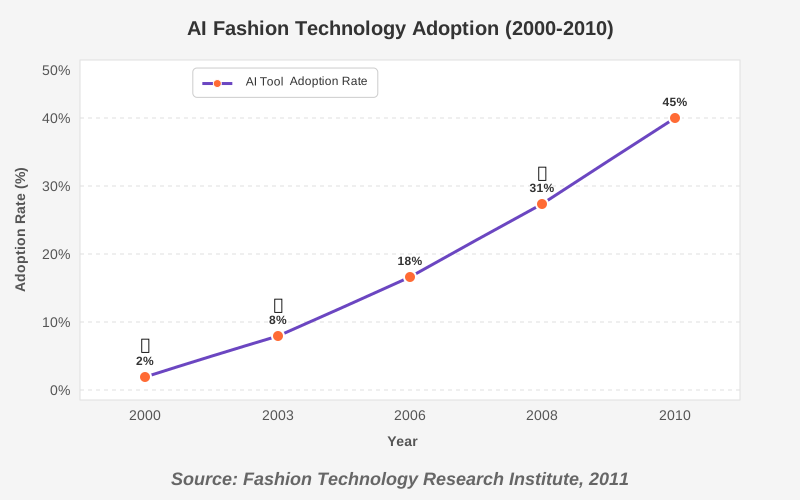
The 2000s marked a turning point when fashion technology shifted from simple automation to actual machine learning applications. This decade introduced algorithms that could analyze trends, predict consumer preferences, and even suggest design modifications.
I remember reading about how Zara implemented their first predictive analytics system in 2005. This wasn’t just about tracking sales—the system used early AI algorithms to forecast which styles would become popular based on social media chatter, weather patterns, and regional preferences.
Notable Innovations
H&M launched their first AI-powered inventory management system in 2007, which analyzed purchasing patterns to reduce overstock by 30%. Meanwhile, luxury brands began using algorithmic trend forecasting to stay ahead of fast fashion competitors.
The Machine Learning Breakthrough (2010-2015)
AI Gets Creative
This is where things got really exciting. Machine learning algorithms started moving beyond analysis and into actual creative work. In 2014, a team at MIT developed the first generative adversarial network (GAN) that could create original fashion designs based on thousands of reference images.
I find this period fascinating because it’s when fashion professionals began seriously debating whether AI could be truly “creative.” Alexander McQueen’s design team experimented with algorithmic pattern generation, creating intricate geometric designs that would have been nearly impossible to draw by hand.
Major milestones:
- IBM’s Watson partnered with fashion brands for trend analysis (2013)
- Adobe integrated AI features into design software (2014)
- First AI-generated fashion collection debuted at London Fashion Week (2015)
- Neural style transfer allowed designers to apply artistic styles to garments digitally
The Deep Learning Era (2016-2020)
AI Becomes a Design Partner
Between 2016 and 2020, deep learning transformed AI from a helpful tool into a genuine design collaborator. Companies like Tommy Hilfiger partnered with IBM Watson to create their “Reimagine Retail” initiative, where AI analyzed 15 years of runway data to predict upcoming trends with 85% accuracy.
Google’s DeepDream technology, originally developed for image recognition, found unexpected applications in textile design. Artists and designers used it to create psychedelic, AI-generated fabric patterns that became highly sought-after in streetwear collections.
The Rise of Generative Design
Generative design systems emerged as game-changers. These platforms could create hundreds of design variations based on specific parameters like target audience, season, price point, and brand identity. Designers no longer started with a blank canvas—they started with AI-generated options they could refine.
Adidas made headlines in 2018 with their Futurecraft 4D shoes, featuring midsoles designed through algorithmic lattice structures that would have been impossible to conceive without AI assistance.
Current Advanced Applications (2020-Present)
AI-Powered Fashion Today
Today’s AI fashion design tools are remarkably sophisticated. Platforms like CALA, Resleeve, and Fashable allow even beginner designers to create professional collections using artificial intelligence.
Current capabilities include:
- Instant design generation based on text descriptions
- Virtual fitting and sizing using body scan data
- Sustainable fabric recommendations based on environmental impact
- Real-time trend prediction using social media analysis
- Personalized design customization for individual customers
- Automated pattern grading across all sizes
- AI fashion models for cost-effective photoshoots
Stitch Fix uses AI to personalize clothing recommendations for millions of customers, combining style algorithms with human stylists’ expertise. Their system analyzes over 90 data points per customer to predict what they’ll love.
Key Milestones Timeline: A Quick Reference
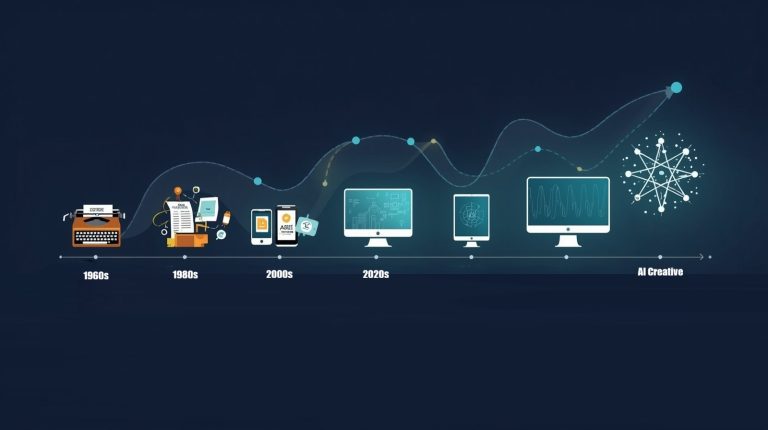
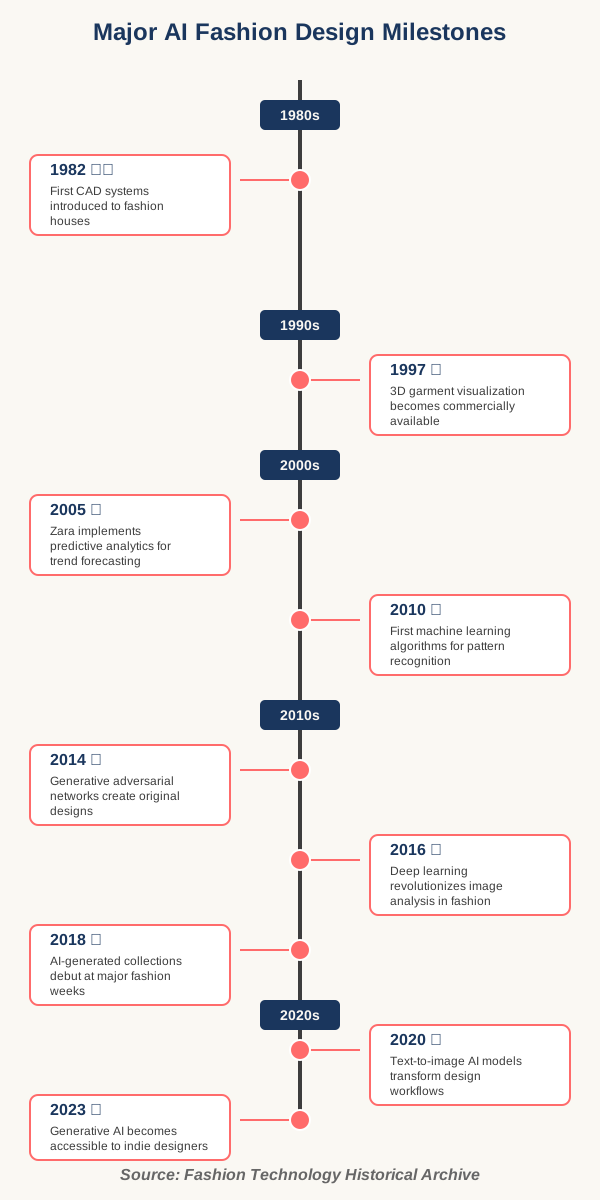
Understanding the evolution of AI in fashion design becomes clearer when we see the major breakthroughs laid out chronologically:
1982: First CAD systems introduced to fashion houses
1997: 3D garment visualization becomes commercially available
2005: Zara implements predictive analytics for trend forecasting
2010: First machine learning algorithms for pattern recognition
2014: Generative adversarial networks create original designs
2016: Deep learning revolutionizes image analysis in fashion
2018: AI-generated collections debut at major fashion weeks
2020: Text-to-image AI models transform design workflows
2023: Generative AI becomes accessible to independent designers
Influential Figures Who Shaped AI Fashion
The Pioneers
Several visionaries deserve recognition for advancing AI in fashion design:
Dr. Daniela Rus (MIT) pioneered research in computational fabric design, exploring how algorithms could optimize garment structure for both aesthetics and functionality.
Amber Case developed some of the earliest wearable technology interfaces, bridging the gap between fashion and human-computer interaction.
Rebecca Minkoff became one of the first major designers to embrace AI in her collections, using machine learning to predict customer preferences and optimize inventory.
Imran Amed of The Business of Fashion has been instrumental in documenting and analyzing AI’s impact on the industry, helping traditional designers understand these new technologies.
Contemporary Innovators
Today’s leaders include Karlie Kloss, who founded Kode With Klossy to teach young women about AI and fashion tech, and Katya Echazarreta, who works on AI-powered sustainable fashion solutions.
Frequently Asked Questions
Conclusion: Your Journey with AI Fashion
The evolution of AI in fashion design demonstrates how technology and creativity can work together to push boundaries and create new possibilities. From those early CAD systems costing hundreds of thousands of dollars to today’s accessible AI design platforms that anyone can use, we’ve witnessed an incredible transformation.
What I find most inspiring about this journey is that AI hasn’t replaced human creativity—it’s amplified it. Designers now have powerful tools that handle the technical heavy lifting, freeing them to focus on the artistic vision and emotional resonance that make fashion meaningful.
If you’re interested in exploring AI fashion design yourself, start simple. Try one of the user-friendly platforms mentioned. In this article, you can experiment with text-to-image generation for inspiration or use AI trend analysis tools to understand what your audience wants. The technology that once belonged exclusively to major fashion houses is now in your hands.
The next chapter in this evolution is being written right now, and you can be part of it. Whether you’re an aspiring designer, a fashion student, or someone who simply loves creative technology, there’s never been a better time to explore how artificial intelligence can enhance your fashion journey.
Remember: AI is a tool, not a replacement. Your unique perspective, cultural understanding, and creative intuition are irreplaceable. Use AI to explore possibilities, speed up workflows, and discover new techniques—but never lose sight of what makes your design voice uniquely human.
About the Author
Abir Benali is a friendly technology writer passionate about making AI accessible to everyone. With a background in explaining complex tech concepts in simple terms, Abir specializes in helping non-technical users understand and leverage artificial intelligence in creative fields. When not writing about AI, Abir enjoys exploring how technology intersects with fashion, art, and everyday life. Through clear, jargon-free explanations and practical examples, Abir believes anyone can master these powerful tools and unlock their creative potential.