AI-Powered Corporate Training Platforms Guide

AI-powered learning platforms are revolutionizing how organizations train their employees. If you’re responsible for corporate training and feeling overwhelmed by the options available, you’re not alone. The good news? Choosing and implementing the right platform doesn’t require technical expertise—just a clear understanding of your needs and a step-by-step approach.
I’ve spent years helping non-technical professionals navigate the world of AI training tools, and I can tell you that the transformation these platforms bring to workplace learning is remarkable. Modern corporate training solutions powered by artificial intelligence can personalize learning paths, track progress intelligently, and deliver content that actually sticks, whether you are training five people or five thousand.
What Are AI-Powered Learning Platforms?
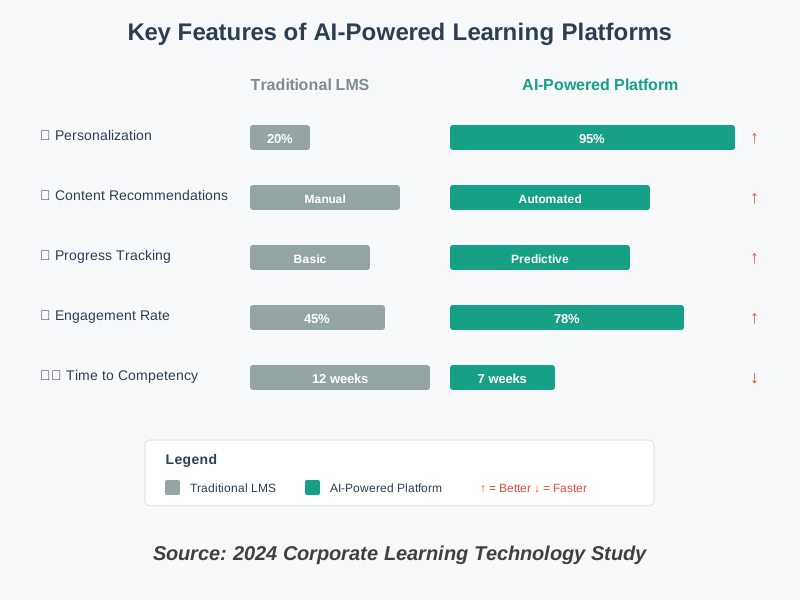
AI-powered learning platforms are digital systems that use artificial intelligence to deliver, manage, and optimize employee training. Unlike traditional learning management systems (LMS), these platforms adapt to each learner’s pace, recommend relevant content, and provide insights that help organizations make smarter training decisions.
Think of them as having a personal tutor for every employee—one that never gets exhausted, remembers everything about each learner’s progress, and continuously improves its teaching methods based on what works best.
Why Your Organization Needs AI-Powered Training
The shift to digital learning isn’t just about keeping up with trends—it’s about meeting employees where they are and respecting their time. Here’s what makes these platforms essential for modern workplace learning:
Personalized learning paths mean each employee gets training tailored to their role, skill level, and learning speed. Instead of forcing everyone through the same rigid course, AI analyzes how each person learns best and adjusts accordingly.
Intelligent content recommendations work like Netflix for training—the system suggests relevant courses based on an employee’s role, previous completions, and career goals. This keeps learning relevant and engaging.
Predictive analytics help you identify skill gaps before they become problems. The platform can flag employees who might be struggling or highlight high performers ready for advancement.
Time and cost efficiency improve dramatically. Employees spend less time on irrelevant content, and your organization saves money by focusing resources where they’ll have the most impact.
Step-by-Step Guide to Choosing Your Platform
Let me walk you through the process of selecting the right AI training platform for your organization. This approach has helped dozens of companies find solutions that actually work for their teams.
Step 1: Assess Your Current Training Situation
Start by honestly evaluating what you have now. Write down:
- How many employees need training
- What types of training you provide (compliance, skills development, onboarding, etc.)
- Your current completion rates
- Common complaints from employees about existing training
- Your annual training budget
Don’t skip this step—understanding your baseline helps you measure improvement later. If you’re seeing completion rates below 60% or employees complaining that training feels irrelevant, those are clear signs you need a better solution.
Step 2: Define Your Must-Have Features
Not all learning management systems are created equal. Based on your assessment, create two lists:
Must-Have Features:
- User-friendly interface (non-technical employees should navigate easily)
- Mobile accessibility (for remote or field workers)
- Integration with your existing HR systems
- Reporting and analytics dashboard
- Content creation tools or library
Nice-to-Have Features:
- Social learning components
- Gamification elements
- Virtual reality integration
- Advanced AI recommendations
- Multi-language support
Be realistic here. A platform with every bell and whistle might overwhelm your team or strain your budget.
Step 3: Research and Shortlist Platforms
Now it’s time to explore options. Look for platforms that match your must-have list. Some leading e-learning solutions include:
Cornerstone OnDemand excels at enterprise-level training with strong AI-powered recommendations and compliance tracking. This solution is best suited for larger organizations that have complex training needs.
Docebo offers excellent AI features for content curation and personalized learning paths. Its interface is intuitive, making it ideal for teams with varying tech comfort levels.
EdCast by Cornerstone focuses on skill development and career mobility. The AI-driven knowledge cloud adapts quickly to your organization’s unique needs.
360Learning combines AI with collaborative learning, letting employees create and share content. Perfect for organizations that value peer-to-peer knowledge sharing.
TalentLMS provides a simpler, more affordable option for small to mid-sized companies. While the AI features aren’t as advanced, it’s user-friendly and gets the job done.
Step 4: Request Demos and Free Trials
Never commit without testing. Request demos from your top three choices and ask specific questions:
- “Show me how an employee with no technical background would use this.”
- “How does the AI personalization actually work in practice?”
- “What happens if we need to customize content?”
- “How long does implementation typically take?”
- “What ongoing support do you provide?”
Take notes during each demo. It would be beneficial to invite a few employees from different departments to join, as they may identify practical issues that could be overlooked.
Step 5: Evaluate Integration Capabilities
Your new platform needs to play nicely with existing systems. Ask about:
- Single sign-on (SSO) integration with your company’s login system
- HR information system (HRIS) connectivity
- Calendar and email integration
- API availability for custom connections
- Data export options
Poor integration creates headaches down the line. If a vendor fails to provide a clear explanation of how their platform integrates with your current tools, it should raise concerns.
Step 6: Calculate Total Cost of Ownership
Consider looking beyond the sticker price. Calculate:
- Per-user licensing fees (annually)
- Implementation and setup costs
- Content creation or licensing fees
- Training for administrators
- Ongoing technical support
- Potential customization expenses
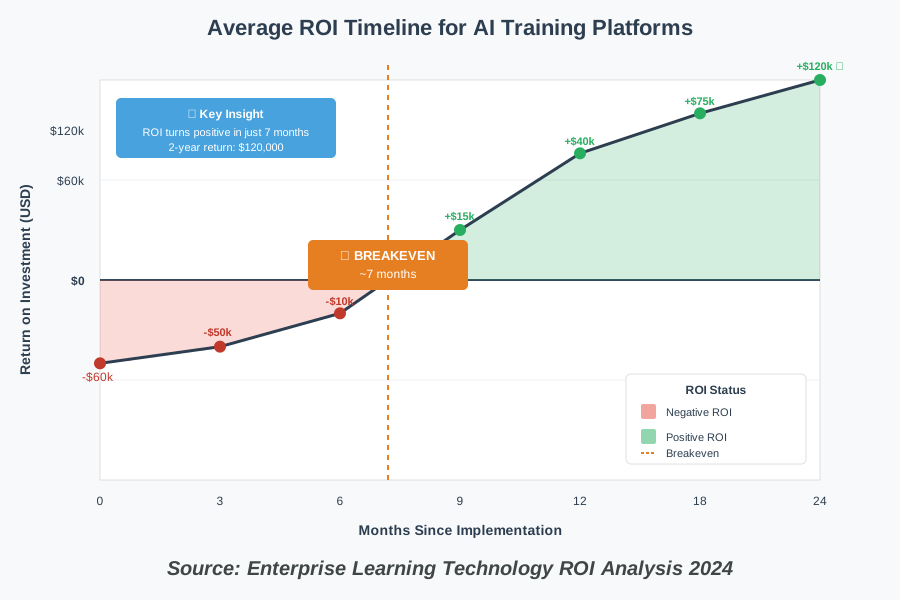
Some platforms charge per active user, while others offer unlimited access. Run the numbers for both one year and three years—this reveals which option truly fits your budget.
Step 7: Check Vendor Stability and Support
You’re making a multi-year commitment, so verify the vendor’s reliability:
- How long have they been in business?
- Who are their major clients?
- What do online reviews and case studies reveal?
- What support channels do they offer (phone, chat, email)?
- Is there a user community or knowledge base?
A platform is only as effective as the support behind it. I’ve seen organizations struggle with technically superior platforms because the vendor provided poor customer service.
Step 8: Run a Pilot Program
Before rolling out company-wide, test with a small group. Select 20 to 50 employees from different departments and run a 30- to 60- day pilot. Track:
- Completion rates
- User satisfaction scores
- Time spent on the platform
- Technical issues encountered
- Feedback from both learners and managers
This pilot phase catches problems while they’re still easy to resolve. Please consider refining your approach based on genuine feedback before fully committing.
Step 9: Plan Your Implementation
Once you’ve chosen a platform, create a detailed rollout plan:
Weeks 1-2: Set up administrator accounts, configure settings, integrate with existing systems
Weeks 3-4: Upload or create initial content, test all features thoroughly
Week 5: Train your training team and department managers
Week 6: Launch to first group of employees with strong communication
Weeks 7-12: Monitor usage, gather feedback, make adjustments, gradually expand to all employees
Rushing implementation leads to confusion and low adoption. Take your time getting it right.
Step 10: Measure and Optimize Continuously
After launch, establish regular check-ins to review platform performance:
- Monthly: Review completion rates and engagement metrics
- Quarterly: Analyze skill improvement data and ROI
- Annually: Reassess whether the platform still meets your needs
Employee development is an ongoing process. The best organizations treat their learning platform as a living system that evolves with their needs.
Common Mistakes to Avoid
Choosing based on features alone: The fanciest platform is useless if your team won’t use it. Prioritize ease of use over impressive feature lists.
Skipping the pilot: I cannot emphasize this enough—pilot programs save money and headaches. They reveal issues you’d never spot in a demo.
Underestimating change management: The platform is only part of the equation. You need a communication strategy that helps employees understand why this change matters and how it benefits them.
Ignoring mobile accessibility: With increasingly remote and distributed workforces, mobile access isn’t optional. Test the mobile experience thoroughly.
Forgetting about content: A platform without quality content is like a car without gas. Budget for content creation, licensing, or curation from day one.
Frequently Asked Questions
Your Next Steps
Implementing an AI-powered learning platform doesn’t have to be overwhelming. Start small: assess your current situation this week, define your requirements next week, and begin researching platforms the week after. Progress beats perfection.
Remember, you’re not just buying software—you’re investing in your people. The right platform transforms training from a checkbox exercise into genuine employee development that drives business results. Your employees want to grow and succeed; give them tools that make that possible.
Take that first step today. Review your current training metrics, identify your biggest pain points, and start exploring which platforms might solve them. Your future self—and your employees—will thank you for taking action now rather than waiting for the “perfect” moment that never comes.
The world of corporate learning is evolving rapidly, and organizations that embrace AI-powered solutions are building more skilled, engaged, and adaptable workforces. You can do this, and you don’t need to be a tech expert to make it happen.
About the Author
Abir Benali is a friendly technology writer specializing in making AI tools accessible to non-technical users. With years of experience helping organizations implement learning technologies, Abir breaks down complex concepts into clear, actionable steps that anyone can follow. When not writing about technology, Abir enjoys mentoring professionals transitioning into digital learning roles and exploring how AI can make workplace education more inclusive and effective.