AI-Powered Personalized Nutrition: A Guide to Smarter Eating

AI-Powered Personalized Nutrition is transforming how we approach healthy eating. Instead of following generic diet plans that work for “everyone,” you can now get nutrition recommendations tailored specifically to your body, lifestyle, and health goals. I remember when my friend Sarah spent years trying different diets—keto, paleo, Mediterranean—and nothing seemed to work until she tried an AI nutrition app that analyzed her blood sugar responses and activity patterns. Within weeks, she had a meal plan that actually worked for her unique metabolism.
If you’ve ever experienced frustration with generic diet advice, you’re not alone. The good news is that artificial intelligence is making personalized nutrition accessible to everyone, not just those with expensive dietitians. In this guide, I’ll walk you through exactly how AI creates custom nutrition plans, which tools you can use, and how to get started—even if you’ve never used AI before.
What Is AI-Powered Personalized Nutrition?
AI-powered personalized nutrition uses machine learning algorithms to analyze your individual health data—including genetics, blood work, activity levels, food preferences, and even gut microbiome information—to create meal plans designed specifically for your body. Unlike traditional nutrition advice based on population averages, AI considers hundreds of data points about you to predict which foods will help you feel your best.
Think of it like having a nutritionist who knows everything about your body and can instantly process complex relationships between different foods and your health markers. The AI learns from your responses to different meals and continuously adjusts recommendations as your body changes.
How AI Analyzes Your Health Data
The technology behind personalized nutrition AI might sound complex, but the concept is straightforward. Here’s what happens behind the scenes:
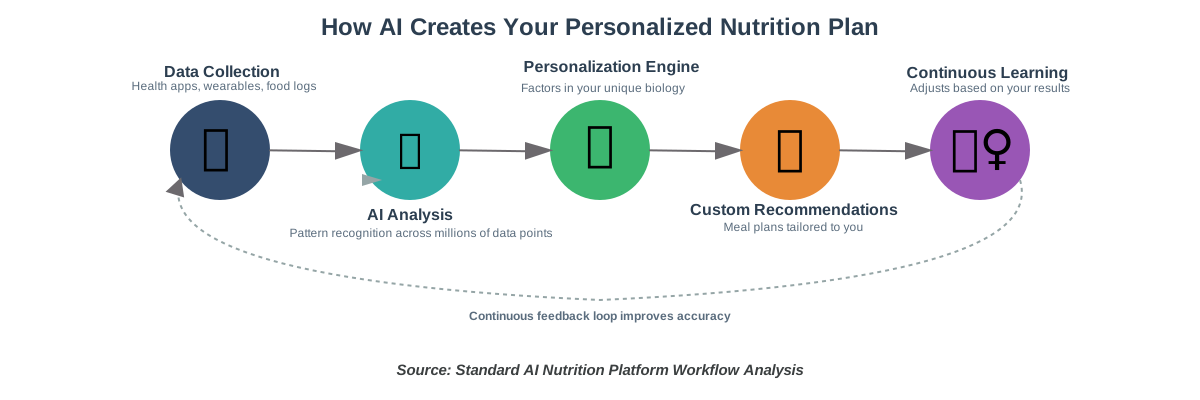
The AI system collects data from various sources—your smartphone health apps, wearable devices, food logging, and sometimes medical tests. It then uses machine learning to identify patterns that human nutritionists might miss. For example, it might notice that you feel worn out after eating certain carbohydrates in the morning but energized when you eat them in the evening.
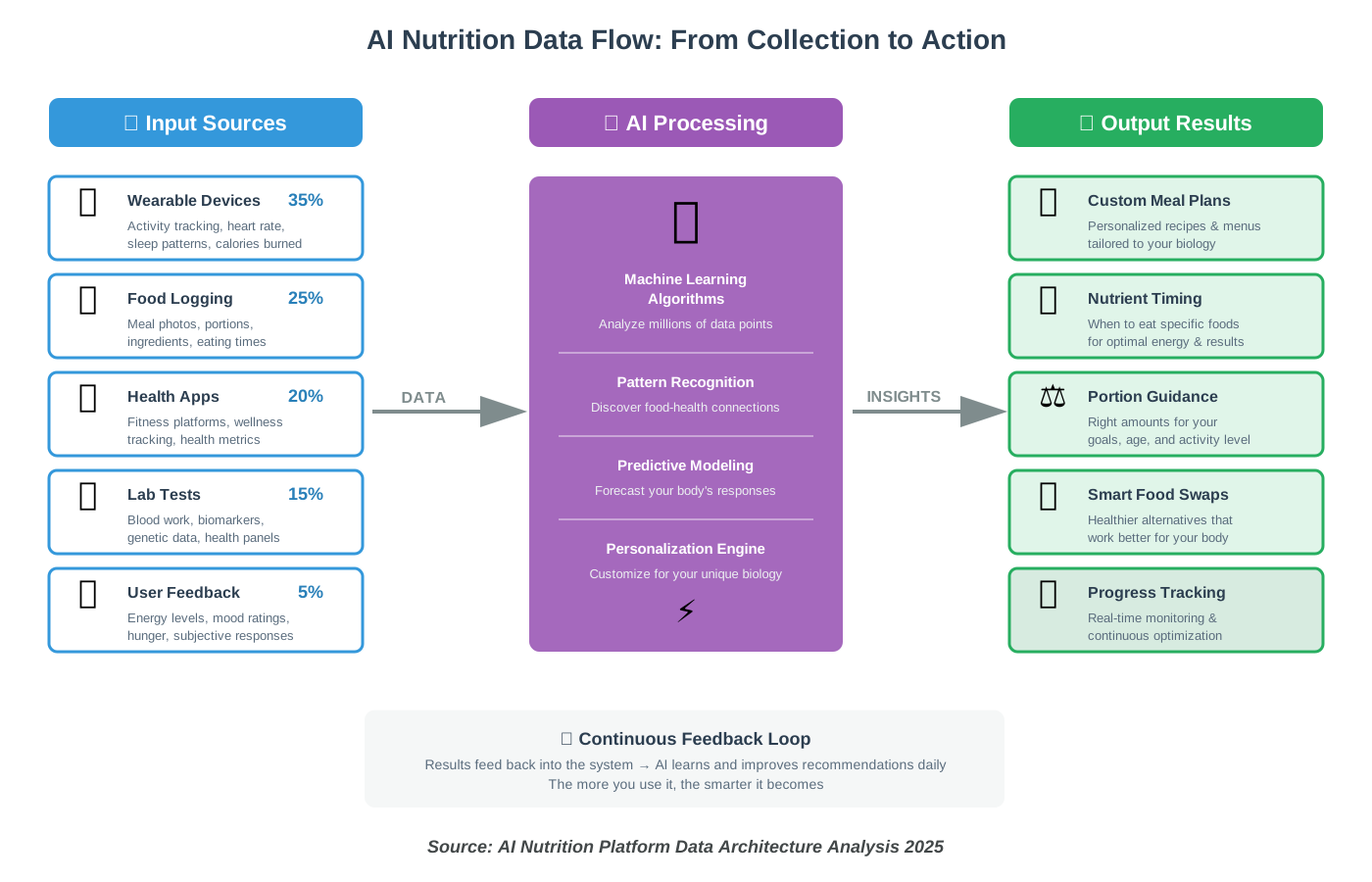
What makes this powerful is the AI’s ability to compare your data against millions of other users while still focusing on your unique biology. It considers factors like your age, activity level, sleep patterns, stress levels, and how your blood sugar responds to different foods.
Getting Started: Step-by-Step Instructions
Ready to try AI nutrition planning for yourself? Here’s how to get started, even if you’re entirely new to this technology.
Step 1: Choose Your AI Nutrition Platform
Several platforms offer AI-powered nutrition guidance, each with different strengths. Popular options include Noom, Lumen, Nutrino, and January AI. I recommend starting with a platform that integrates with devices you already own. If you have an Apple Watch or Fitbit, look for apps that sync automatically with these wearables.
Why this matters: The more data your AI can access without manual entry, the more accurate your recommendations will be—and the less work for you.
Step 2: Complete Your Health Profile
Once you’ve chosen a platform, you’ll create a detailed health profile. Be thorough here—this is where the AI learns about you. You’ll typically enter information about your age, weight, height, activity level, health goals, dietary restrictions, and food preferences.
Some platforms also ask about sleep patterns, stress levels, and existing health conditions. Don’t skip these questions, even if they seem unrelated to nutrition. AI can identify surprising connections—like how poor sleep affects your cravings for sugary foods.
Common mistake to avoid: Rushing through the setup. Please take 15 to 20 minutes to ensure the information provided is accurate. The AI’s recommendations are only as useful as the data you give it.
Step 3: Connect Your Devices and Apps
Link any health tracking devices you use—fitness trackers, smartwatches, continuous glucose monitors, or health apps like MyFitnessPal or Apple Health. Most AI nutrition platforms have simple integration processes.
If you don’t have wearable devices, don’t worry. You can still use AI nutrition apps by manually logging your meals and how you feel afterward. Many platforms also work with at-home blood testing kits that analyze biomarkers like blood sugar, cholesterol, and vitamin levels.
Step 4: Log Your Meals Consistently
For the first 1-2 weeks, log everything you eat as accurately as possible. Many apps have barcode scanners and photo recognition that make this easier than traditional food journals. The AI needs this baseline data to understand your current eating patterns and how different foods affect you.
Pro tip: Don’t change your eating habits yet during this tracking phase. The AI needs to see your normal patterns first before making recommendations.
Step 5: Review Your Personalized Recommendations
After collecting enough data, the AI will generate your custom nutrition plan. This typically includes meal suggestions, portion guidance, timing recommendations (when to eat certain foods), and foods to emphasize or limit based on your goals.
Take time to understand why the AI recommends certain changes. Good platforms explain their reasoning—for example, “We noticed your energy dips after lunch when you eat refined carbohydrates. Try replacing white bread with whole grains.”
Step 6: Follow the Plan and Provide Feedback
Start implementing the recommendations gradually. You don’t need to overhaul your entire diet overnight. Many people begin by making 1-2 suggested changes per week.
Most importantly, continue logging meals and providing feedback about how you feel. Rate your energy levels, hunger, mood, and workout performance. This feedback helps the AI refine its recommendations specifically for you.
Step 7: Let the AI Adapt to Your Progress
As you follow the plan, the AI learns from your results and continuously adjusts recommendations. If you’re not losing weight as expected, it might suggest different macronutrient ratios. If you’re feeling great with certain foods, it will incorporate more of them.
This adaptive learning is what makes AI nutrition different from static meal plans. Your plan evolves with you.
Real-Life Applications and Benefits
Personalized AI nutrition isn’t just theoretical—people are using it to solve real health challenges. Athletes use AI to optimize performance nutrition and recovery timing. People with diabetes use AI-powered apps that predict blood sugar responses to different meals before they eat them. Those with food sensitivities use AI to identify trigger foods they might not have suspected.
One compelling example comes from a study where participants using AI nutrition guidance lost more weight and improved their blood sugar control compared to those following standard dietary guidelines. The key difference? The AI identified each person’s optimal carbohydrate timing and types based on their individual glucose responses.
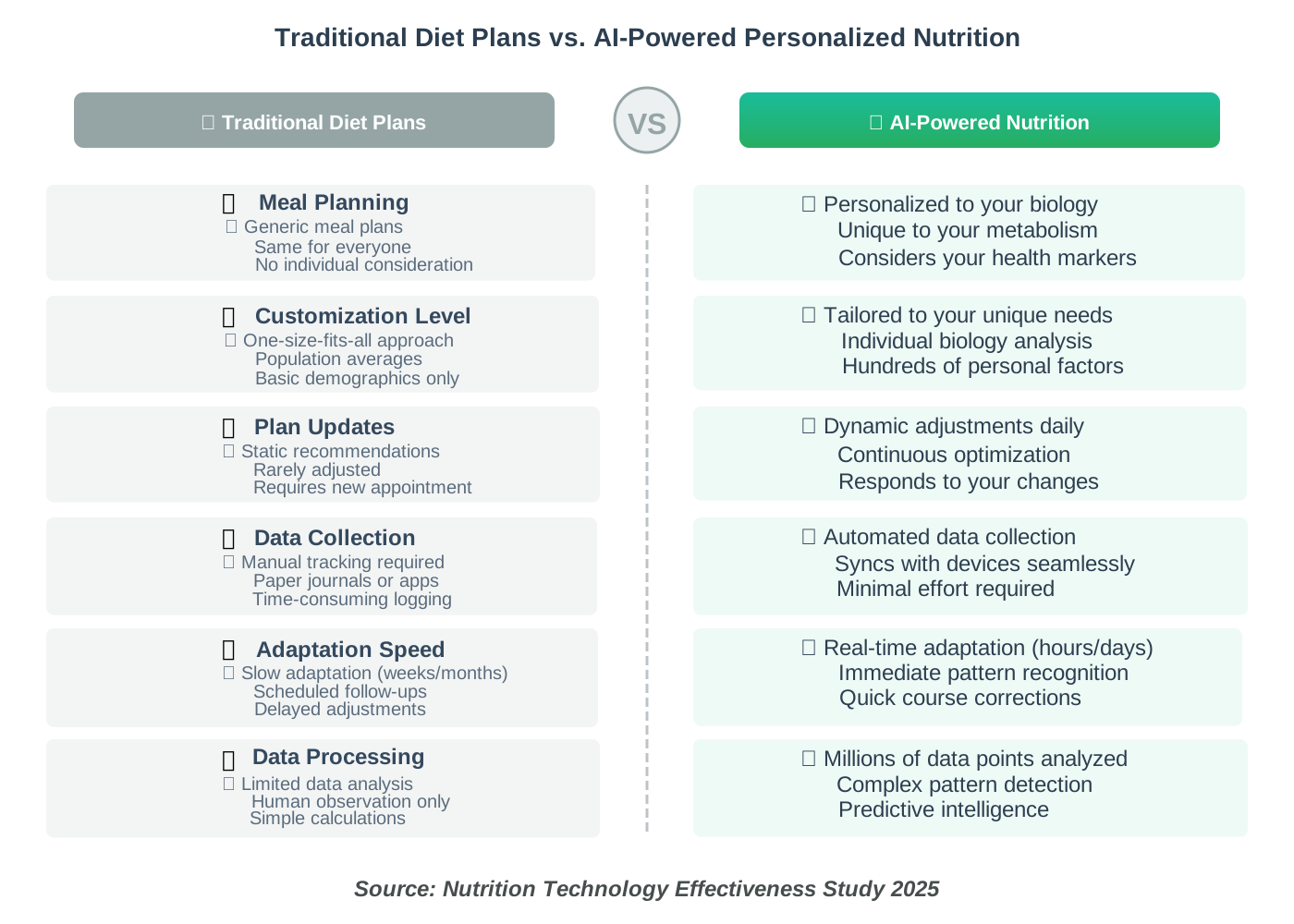
Beyond weight management, AI nutrition helps people manage inflammatory conditions, improve gut health, boost energy levels, and even support mental wellness through the gut-brain connection. The technology considers how nutrients affect not just your physical health but also your mood and cognitive function.
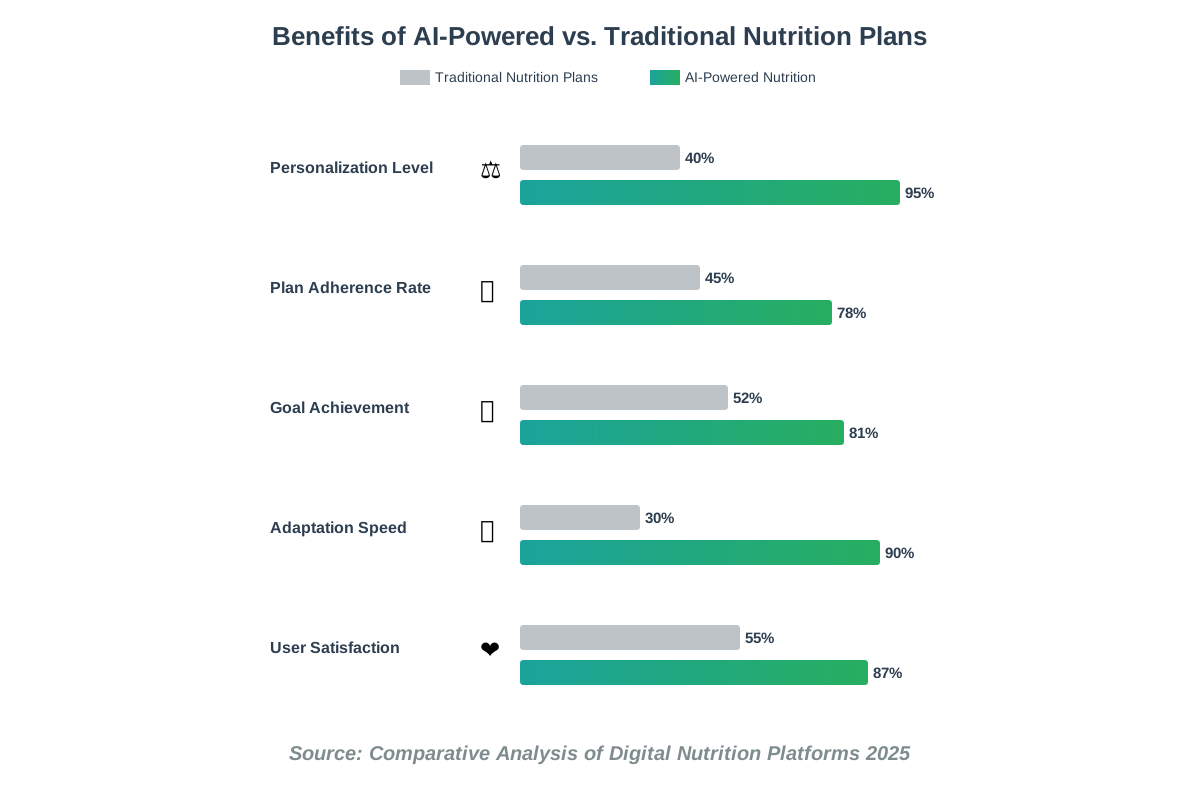
Common Concerns and How to Address Them
Privacy and Data Security: Many people worry about sharing health data with AI apps. Choose platforms with clear privacy policies that don’t sell your data to third parties. Look for apps that encrypt your information and give you control over what’s shared. Reputable companies are transparent about how they use your data.
Cost Considerations: While some AI nutrition platforms require subscriptions ($10-50 per month), many offer free trials or basic free versions. Compare this to the cost of seeing a nutritionist regularly (often between $100 and $200 per session). For most people, AI nutrition represents significant savings while still providing personalized guidance.
Accuracy Questions: No system is perfect, but AI nutrition platforms improve continuously as they analyze more data. Start by treating recommendations as experiments. Track your results and trust what works for your body. The AI gets more accurate over time as it learns your individual responses.
Tips for Success with AI Nutrition
Be patient with the learning curve. Your AI nutrition assistant needs two to four weeks of data to make truly personalized recommendations. The initial suggestions might feel generic, but they become remarkably specific as the system learns your patterns.
Stay consistent with logging, especially in the beginning. Even if you have a “bad” eating day, log it. This helps the AI understand your real-life patterns, not just your ideal behavior. The more honest data you provide, the better recommendations you’ll receive.
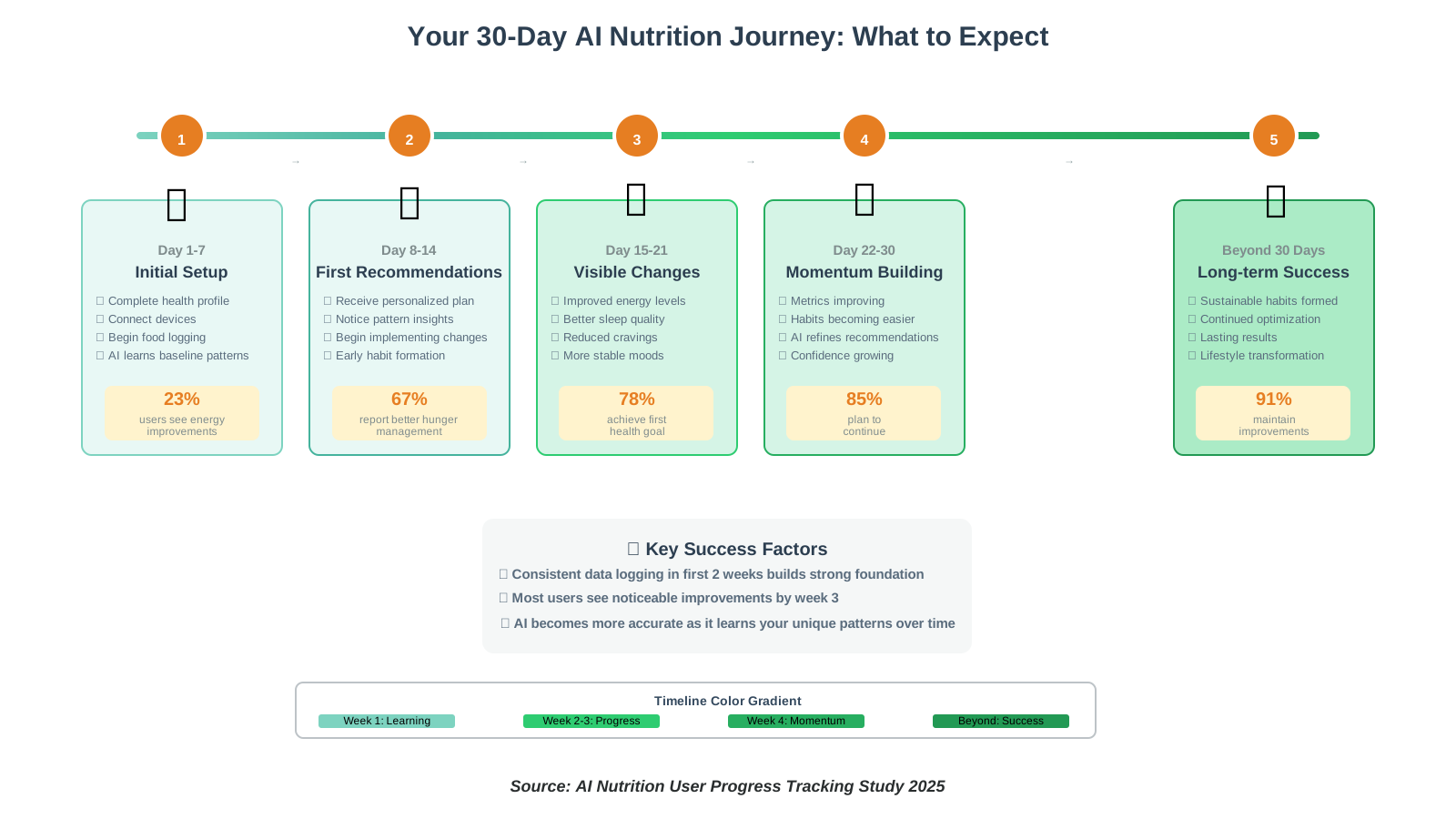
Combine AI insights with common sense. If a recommendation doesn’t feel right for your body or conflicts with your doctor’s advice, don’t follow it blindly. AI-powered nutrition tools are assistants, not replacements for medical professionals.
Use the AI to discover patterns you can’t see. One of the most valuable features is identifying connections between foods and how you feel. You might discover that dairy affects your afternoon energy or that eating protein for breakfast dramatically improves your focus—patterns you wouldn’t notice without systematic tracking.
Frequently Asked Questions
Take Your First Step Toward Smarter Eating
AI-Powered Personalized Nutrition represents a genuine breakthrough in how we approach healthy eating. Instead of following generic advice that works for the “average person” (who doesn’t actually exist), you can now get guidance tailored to your unique biology, lifestyle, and goals.
The best part? You don’t need to be tech-savvy to benefit from this technology. Most AI nutrition apps are designed with beginners in mind, featuring intuitive interfaces and helpful tutorials. Start with one of the popular platforms mentioned in this guide, commit to logging consistently for your first month, and pay attention to how you feel as you follow the recommendations.
Remember, the AI is a tool to help you understand your body better and make informed food choices. It’s not about perfection—it’s about progress. Every meal logged and every bit of feedback you provide helps the AI give you better recommendations. Over time, you’ll develop a deeper understanding of which foods truly serve your health goals and which don’t, knowledge that stays with you even if you eventually stop using the app.
Ready to transform your relationship with food? Download an AI nutrition app today, complete your profile honestly, and give it at least four weeks to learn your patterns. You might be surprised at what you discover about your body—and how much easier healthy eating becomes when it’s actually personalized to you.
About the Author
Abir Benali is a friendly technology writer who specializes in making AI tools accessible to non-technical users. With a passion for explaining complex technology in simple terms, Abir helps everyday people leverage AI to improve their health, productivity, and daily lives. When not writing about technology, you can find Abir experimenting with new healthy recipes and exploring how AI can make wellness more achievable for everyone.