The Rise of AI Tutors: Your Personalized Learning Guide

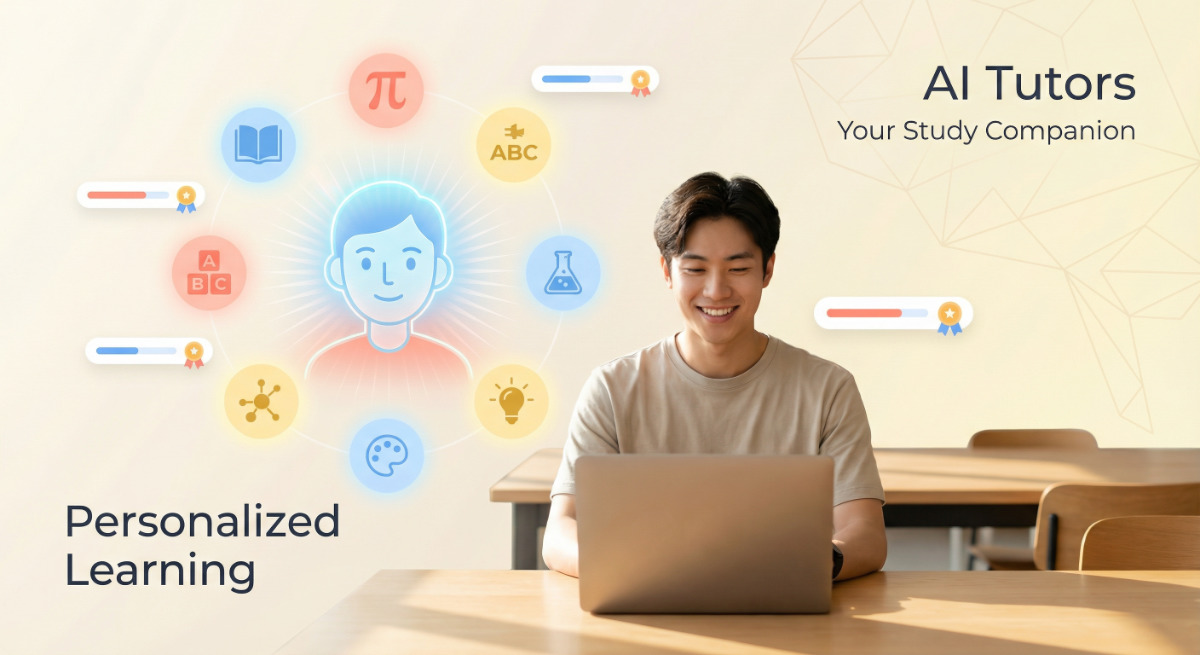
The Rise of AI Tutors is changing how students like us learn, making education more personal and effective than ever before. If you’ve ever struggled with a concept in class, wished you could ask questions at midnight when studying for an exam, or felt like lessons moved too fast or too slow, AI tutors might be exactly what you need. These intelligent learning companions adapt to your pace, answer your questions anytime, and help you master subjects in ways that traditional methods simply can’t match.
As a student who’s experienced the frustration of one-size-fits-all teaching, I’ve discovered that AI-powered tutoring offers something revolutionary: a learning experience designed specifically for you. Whether you’re preparing for finals, trying to understand calculus, or learning a new language, AI tutors provide personalized support that fits your schedule, learning style, and academic goals.
What Are AI Tutors, and Why Do They Matter?
AI tutors are intelligent software programs that use artificial intelligence to teach, guide, and support students through their learning journey. Unlike traditional tutoring, these digital assistants are available 24/7, never lose patience, and continuously adapt their teaching methods based on how you learn best.
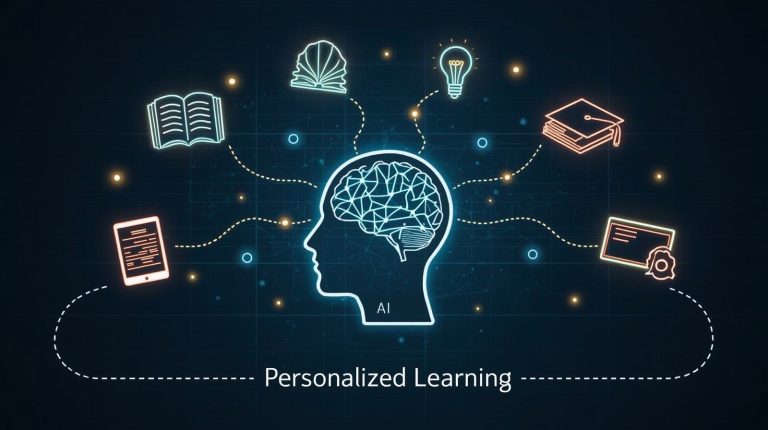
Think of an AI tutor as having a knowledgeable friend who knows exactly what you understand and what you’re struggling with. They track your progress, identify your weak spots, and adjust their explanations until concepts finally click. This personalized learning approach means no more feeling lost in class or bored by material you’ve already mastered.
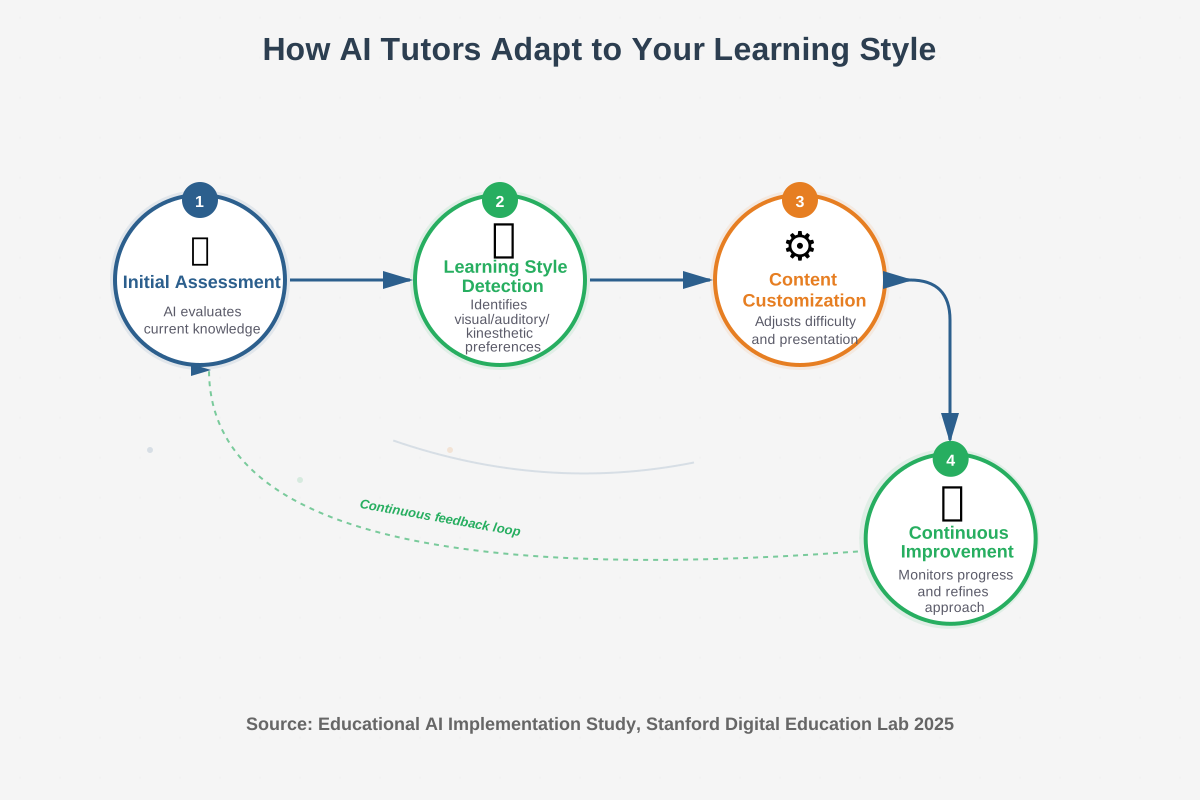
What makes this technology so powerful is its ability to meet you where you are. If you’re a visual learner, AI tutors can generate diagrams and charts. If you need to hear explanations multiple times, they’ll repeat concepts without judgment. If you learn best through practice problems, they’ll create endless customized exercises. This level of adaptation simply isn’t possible in traditional classroom settings where one teacher manages thirty students.
How AI Tutors Work: The Technology Behind Personalized Learning
Understanding how AI tutoring systems work helps you use them more effectively. These platforms combine several technologies to create your personalized learning experience.
Natural Language Processing: Having Real Conversations
At the heart of every AI tutor is natural language processing (NLP), which allows the system to understand your questions just like a human tutor would. You can ask “Why does this formula work?” or “Can you explain this differently?” and receive clear, contextual answers. The AI doesn’t just recognize keywords—it understands the meaning behind your questions and responds appropriately.
Adaptive Learning Algorithms: Adjusting to Your Pace
Adaptive learning technology is what makes AI tutors truly personalized. These algorithms constantly analyze your performance, identifying patterns in what you understand and where you struggle. If you’re breezing through basic algebra but getting stuck on word problems, the AI recognizes this pattern and provides more practice with word problems while moving faster through concepts you’ve mastered.
Knowledge Mapping: Tracking Your Progress
AI tutors create detailed maps of your knowledge, showing which concepts you’ve mastered and which need more work. This isn’t just about right or wrong answers—it’s about understanding the connections between topics. If you’re struggling with quadratic equations, the system might identify that you need to review factoring first, automatically guiding you through the prerequisite material.
Immediate Feedback Loops: Learning from Mistakes
One of the most powerful features of AI-powered education is instant feedback. Traditional homework might take days to get back with corrections, but AI tutors analyze your work immediately, explaining not just what’s wrong but why it’s wrong and how to fix it. This immediate reinforcement helps concepts stick much faster.
Step-by-Step Guide: Getting Started with AI Tutors
Let me walk you through how to begin using AI tutors effectively, based on my own experience and what has worked best for my learning.
Step 1: Identify Your Learning Goals
Before diving into any AI tutoring platform, clarify what you want to achieve. Are you preparing for a specific exam? Trying to catch up in a challenging course? Or exploring a new subject out of curiosity? Clear goals help you choose the right platform and measure your progress effectively.
Why this matters: AI tutors work best when they understand your objectives. Most platforms ask about your goals during setup, using this information to customize your learning path and suggest relevant content.
Step 2: Choose the Right AI Tutoring Platform
Several excellent AI tutor platforms exist, each with different strengths:
- Khan Academy’s Khanmigo excels at math and science with detailed explanations and practice problems
- Duolingo uses AI for personalized language learning with gamification elements
- Photomath helps with math homework by analyzing problems through your phone camera
- Socratic by Google assists with multiple subjects through question-based learning
- ChatGPT and Claude can function as versatile tutors across any subject when used thoughtfully
Choose based on your subject needs, learning style preferences, and budget. Many platforms offer free versions or trials, so experiment to find what resonates with you.
Step 3: Complete Initial Assessment
Most AI tutoring systems start with an assessment to understand your current knowledge level. Take this seriously and answer honestly—it’s not about getting a high score but about helping the AI understand where you truly are in your learning journey.
Why this matters: Accurate assessment ensures you’re neither bored with material that’s too easy nor overwhelmed by content that’s too advanced. The better the AI understands your starting point, the more effective your personalized learning path will be.
Step 4: Establish a Consistent Study Routine
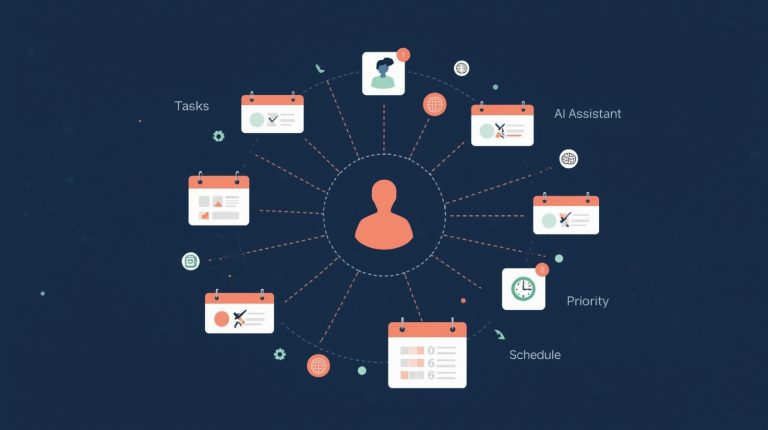
Set specific times for working with your AI tutor, just as you would for traditional studying. Consistency helps the AI better understand your learning patterns and progress. Even 20-30 minutes daily is more effective than occasional long sessions.
Pro tip: Most AI tutors provide reminders and streak tracking to help you maintain consistency. Use these features—they’re designed to build sustainable study habits.
Step 5: Engage Actively, Not Passively
Don’t just read or watch explanations. Ask questions, attempt problems, make mistakes, and learn from them. The more you interact with your AI tutor, the better it understands your learning needs and the more personalized your experience becomes.
Common mistake to avoid: Treating AI tutors like answer machines. If you’re just copying solutions without understanding the process, you’re missing the entire point of personalized learning.
Step 6: Review Progress Regularly
Most AI tutoring platforms provide detailed analytics showing your progress, time spent on different topics, areas of strength, and concepts needing more work. Review these insights weekly to understand how you’re improving and where to focus your efforts.
Why this matters: Self-awareness about your learning is powerful. When you see concrete evidence of improvement, it motivates continued effort. When you identify persistent weak spots, you can address them strategically.
Step 7: Combine AI Tutoring with Other Learning Methods
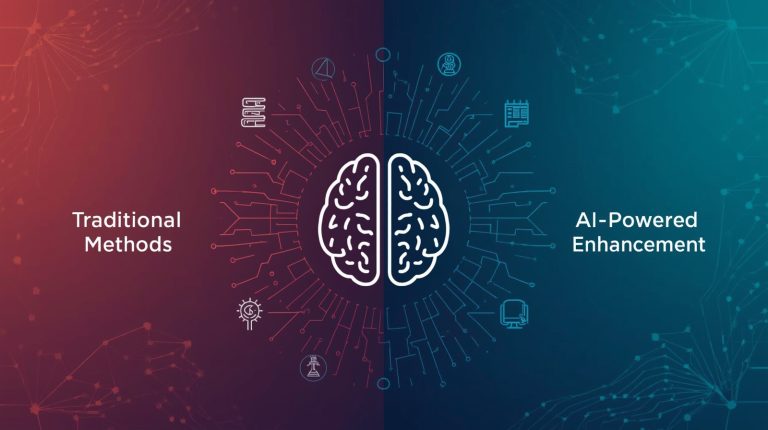
AI tutors are incredibly powerful tools, but they work best as part of a broader learning strategy. Continue attending classes, studying with friends, reading textbooks, and consulting human teachers when needed. AI-enhanced education complements traditional methods rather than replacing them entirely.
Real-World Benefits: How AI Tutors Transform Student Success
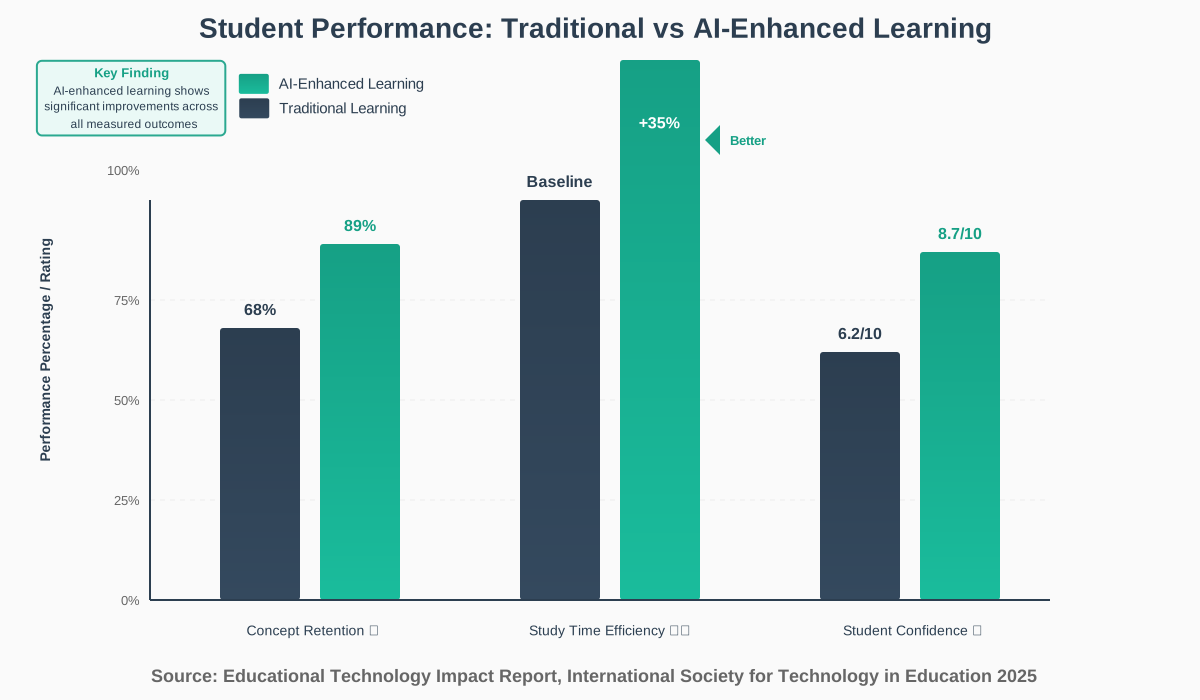
The impact of personalized AI tutoring extends beyond convenience. Students using these tools report significant improvements in understanding, grades, and confidence.
Overcoming Learning Gaps
Traditional education sometimes moves forward even when students haven’t fully grasped earlier concepts. This creates gaps that compound over time. AI tutors identify these gaps immediately and fill them before they become major obstacles. If you’re struggling with trigonometry because you never fully understood basic geometry, the AI recognizes this connection and guides you back to strengthen your foundation.
Building Confidence Through Judgement-Free Learning
Practical Tips for Maximizing Your AI Tutor Experience
Based on my experience and conversations with other students, here are strategies that make AI tutoring even more effective:
Ask Better Questions
Instead of “I don’t understand this,” try “Can you explain how X relates to Y?” or “What’s another way to contemplate this concept?” Specific questions help AI tutors provide more targeted, useful explanations.
Use Multimodal Learning
If your AI tutor offers different formats—videos, diagrams, practice problems, written explanations—use all of them. Different perspectives on the same concept strengthen understanding and memory.
Create Study Sessions with Purpose
Before starting a session, identify exactly what you want to accomplish: “Today I’ll master solving systems of equations” or “I’ll practice verb conjugations until I can do them automatically.” Focused goals make sessions more productive.
Don’t Skip the Struggle
When a problem is challenging, resist the urge to immediately ask for the solution. Struggle with it first, try different approaches, and make mistakes. Then ask the AI tutor for guidance. This productive struggle creates deeper learning than immediately getting the right answer.
Track What Works for You
Notice which explanation styles, practice methods, or study times work best for your learning. Share this feedback with your AI tutor when possible, or consciously request approaches that work well for you.
Addressing Common Concerns About AI Tutors
Won’t I Become Too Dependent on AI?
The goal of any good tutor—human or AI—is to help you become independent. Use AI tutors as training wheels, not permanent supports. As concepts become clear, challenge yourself to work without assistance, using the AI tutor primarily for checking understanding and tackling new material.
How Do I Know If Information Is Accurate?
While modern AI tutors are remarkably accurate, especially in established subjects like math and science, always verify important information through multiple sources. Use your AI tutor alongside textbooks, class materials, and teacher guidance. If something seems questionable, ask your human teacher for confirmation.
What About Academic Integrity?
AI tutors should help you learn and understand, not complete assignments for you. Use them to grasp concepts, check your reasoning, and practice skills—not to generate essays or solve homework problems you then submit as your own work. Most schools have clear policies about AI use; familiarize yourself with these guidelines.
Frequently Asked Questions About AI Tutors
Your Next Steps: Starting Your AI-Enhanced Learning Journey
The Rise of AI Tutors represents a genuine opportunity to transform your educational experience. These tools are accessible, affordable, and designed specifically to help students like us learn more effectively.
Start small. Choose one subject where you’d like to improve and experiment with an AI tutor for two weeks. Notice how it adapts to your learning style, what types of explanations work best for you, and how your understanding deepens with personalized guidance. Most students notice improvements within the first few study sessions.
Remember that AI tutors are tools—powerful ones, but tools nonetheless. Your curiosity, persistence, and willingness to engage actively with learning remain the most important factors in your success. AI tutors simply make that journey more efficient, personalized, and accessible than ever before.
The future of education is increasingly personalized, and AI tutors are leading this transformation. By embracing these technologies thoughtfully and combining them with traditional learning methods, you’re not just keeping up with educational innovation—you’re actively shaping your own optimal learning experience.
Take that first step today. Download an AI tutoring app, ask your first question, and discover how personalized AI learning can help you achieve your academic goals. Your future self will thank you for starting this journey now.
Resources:
Academic/Research Sources (Peer-Reviewed)
- Kestin, G., Miller, K., Klales, A. et al. (2025). “AI tutoring outperforms in-class active learning: an RCT introducing a novel research-based design in an authentic educational setting.” Scientific Reports, 15, 17458.
- URL: https://www.nature.com/articles/s41598-025-97652-6
- Key Finding: Students learn significantly more in less time when using AI tutors compared with in-class active learning and feel more engaged and motivated.
- Published: June 3, 2025
- npj Science of Learning (2025). “A systematic review of AI-driven intelligent tutoring systems (ITS) in K-12 education”
- URL: https://www.nature.com/articles/s41539-025-00320-7
- Key Finding: Effects of intelligent tutoring systems on learning and performance in K-12 education are generally positive, based on 28 studies with 4,597 students.
- Published: May 14, 2025
- arXiv (2025). “A Comprehensive Review of AI-based Intelligent Tutoring Systems: Applications and Challenges”
- URL: https://arxiv.org/html/2507.18882v1
- Key Finding: ITS can improve student performance by 20% and is nearly as effective as human tutors.
- Published: July 25, 2025
- Vieriu, A. Mihaela (2025). “The Impact of Artificial Intelligence (AI) on Students’ Academic Development.” Education Sciences, 15(3), 343.
- URL: https://www.mdpi.com/2227-7102/15/3/343
- DOI: https://doi.org/10.3390/educsci15030343
- Key Finding: Students in personalized learning environments exhibit improved self-efficacy and more positive attitudes toward learning.
- Published: March 11, 2025
Educational Practice & Implementation Sources
- Education Week (2025). “The New Teachers’ Aides: AI Tutors”
- URL: https://www.edweek.org/technology/the-new-teachers-aides-ai-tutors/2025/02
- Key Finding: Teachers say AI tutoring technology allows them to better meet a wide range of student needs.
- Published: March 10, 2025
- The Hunt Institute (2025). “AI Tutoring in Schools: How Personalized Learning Technology is Changing K-12 Education in 2025”
- URL: https://hunt-institute.org/resources/2025/06/ai-tutoring-alpha-school-personalized-learning-technology-k-12-education/
- Key Finding: AI-powered microschools combine personalized learning with mixed-age classrooms to accelerate student outcomes.
- Published: June 17, 2025
- Khan Academy Blog (2025). “Why We’re Deeply Invested in Making AI Better at Math Tutoring”
- URL: https://blog.khanacademy.org/why-were-deeply-invested-in-making-ai-better-at-math-tutoring-and-what-weve-been-up-to-lately/
- Key Finding: Khan Academy’s efficacy research shows students using Khan Academy for 30 minutes of additional math practice per week saw greater-than-expected gains on standardized assessments.
- Published: March 20, 2025
- Education Week Opinion (2025). “Can an AI-Powered Tutor Produce Meaningful Results?”
- URL: https://www.edweek.org/technology/opinion-can-an-ai-powered-tutor-produce-meaningful-results/2025/07
- Key Finding: Interview with Khan Academy’s Chief Learning Officer about practical implementation and student engagement challenges.
- Published: August 20, 2025
About the Author
Rihab Ahmed is an educator and lifelong learner who uses AI tools to study more effectively and help other students discover smarter learning strategies. As someone who has experienced both traditional education and AI-enhanced learning firsthand, Rihab writes practical guides that make educational technology accessible and useful for students at all levels. Through clear, relatable advice drawn from personal experience, Rihab helps students navigate the evolving landscape of AI-powered education with confidence and purpose.