The Ethical Implications of AI Art Generators

The Ethical Implications of AI Art Generators have ignited one of the most passionate debates in creative industries today. As someone who’s spent years helping non-technical creators embrace AI tools, I’ve witnessed both the excitement and the fear firsthand. Here’s the truth: AI art generators like DALL-E 3, Midjourney, and Stable Diffusion can produce stunning visuals in seconds, but they’re also raising urgent questions about creativity, compensation, and the future of human artistry.
If you’re an artist feeling threatened, a creator curious about AI, or simply someone trying to understand this technological shift, you need practical guidance—not panic or hype. This article offers 8 essential tips for navigating the ethical implications of AI art generators responsibly, protecting human artists, and using these tools in ways that honor creativity rather than exploit it.
Why Understanding AI Art Ethics Matters Right Now
The Ethical Implications of AI Art Generators aren’t just philosophical—they’re reshaping careers, economies, and entire creative ecosystems. In 2025, AI-generated artwork floods social media, stock photo sites, and even professional portfolios. Meanwhile, human artists report losing commissions to clients who opt for “free” AI alternatives.
We are witnessing a technology that has the potential to either democratize creativity or consolidate it in the hands of a few tech companies. Understanding these ethics helps you make informed choices about when and how to use AI art—and when to commission human creators instead.
8 Practical Tips for Navigating AI Art Ethics
1. Understand How AI Art Actually Works—And Why It Matters
AI art generators don’t create from imagination. They’re trained on millions of copyrighted images scraped from the internet, often without artist permission or compensation. When you type a prompt, the AI analyzes patterns from this training data to generate new images.
Why this process matters ethically: Artists whose work trained these models receive nothing when you generate similar styles. It’s like learning to paint by copying someone’s portfolio, then selling your copies while claiming they’re original.
Actionable step: Before using AI art commercially, research which datasets trained your chosen tool. Tools like Adobe Firefly train exclusively on licensed stock imagery and public domain content, making them more ethically defensible than alternatives trained on scraped data.
2. Never pass AI art off as human-created work.
The temptation is real: AI generates a beautiful image, and you’re proud to share it. However, claiming AI output as your own human creativity crosses an ethical and increasingly legal boundary.
The displacement issue: When AI art masquerades as human work, it devalues actual human creativity. Clients may think “artists work this fast for free,” setting unrealistic expectations. Deceptively submitted AI entries have won art competitions, causing justified outrage.
What to do instead: Always disclose AI involvement. Use phrases like “created with AI assistance,” “AI-generated concept art,” or “human-directed, AI-executed.” Transparency builds trust and respects the distinction between human and machine creativity.
Common mistake to avoid: Don’t use vague terms like “digital art” when you mean AI-generated. Be specific.
3. Commission Human Artists for High-Stakes, Personal, or Commercial Projects
The Ethical Implications of AI Art Generators become most severe when they replace paid human work. AI should enhance creativity, not eliminate livelihoods.
When to choose human artists:
- Client projects where originality and legal safety matter
- Personal milestones (wedding invitations, family portraits, memorial art)
- Brand identity work requires a unique vision
- Any project with significant commercial value
- Situations where iterative collaboration improves outcomes
When AI might be appropriate:
- Rapid prototyping and concept exploration
- Personal projects with zero commercial use
- Placeholder images during development
- Learning and experimentation
Think of it this way: would you serve AI-generated food at your restaurant to save money on a chef? Probably not—because quality, expertise, and human touch matter.
4. Support Artists Through Fair Compensation Models
If you do use AI art tools, consider the economic ripple effects. Many platforms now offer ways to compensate artists whose styles influenced AI outputs.
Practical actions:
- Subscribe to artist-friendly AI platforms that share revenue with creators
- When AI generates something in a recognizable style, credit and link to artists working with that aesthetic
- Set aside a “creative budget” even for AI projects—use it to commission thumbnails, refinements, or consultations from human artists
- Tip or support artists on platforms like Patreon, Ko-fi, or Gumroad
Example: If you use AI to generate fantasy landscapes, find and support actual fantasy landscape artists on social media. This maintains the creative ecosystem that makes AI possible in the first place.
5. Understand Copyright Gray Zones—And Err on the Side of Caution
As of 2025, copyright law around AI art remains murky. The U.S. Copyright Office has ruled that copyrighting purely AI-generated images creates complex legal situations.
The ethical dilemma: If you can’t copyright AI art, you can’t prevent others from copying it. But you also can’t claim exclusive ownership over something that might incorporate copyrighted training data.
Protective strategies:
- Assume AI-generated content is legally fragile for commercial use
- Add substantial human creative input (editing, composition, conceptual direction) to strengthen copyright claims
- Consult intellectual property attorneys before using AI art in products, branding, or licensing deals
- Never use AI to replicate specific living artists’ styles for commercial purposes—this invites lawsuits
Red flag warning: Phrases like “in the style of [living artist name]” in your prompts create ethical and legal risks.
6. Experiment Responsibly—AI as Creative Partner, Not Replacement
Here’s where I encourage your creativity: AI art generators can be powerful brainstorming and learning tools when used ethically.
Responsible experimentation ideas:
- Use AI to generate color palette inspiration, then create art manually
- Generate rough compositions, then sketch or paint your own versions
- Create mood boards for client presentations (clearly labeled as AI)
- Learn artistic techniques by analyzing what prompts produce which effects
- Generate backgrounds or textures, then add original character art
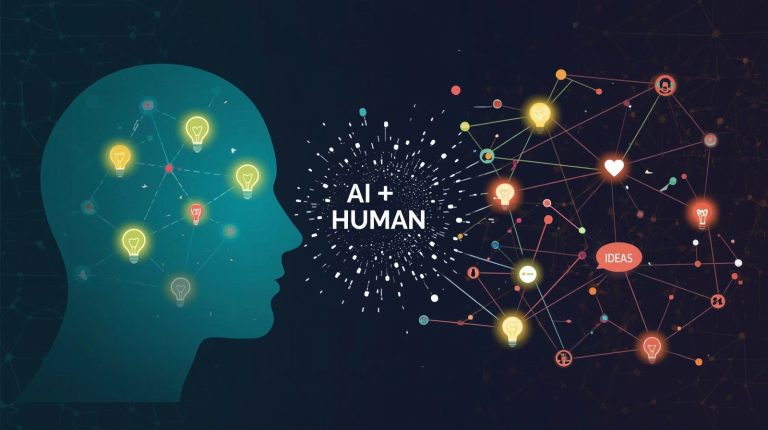
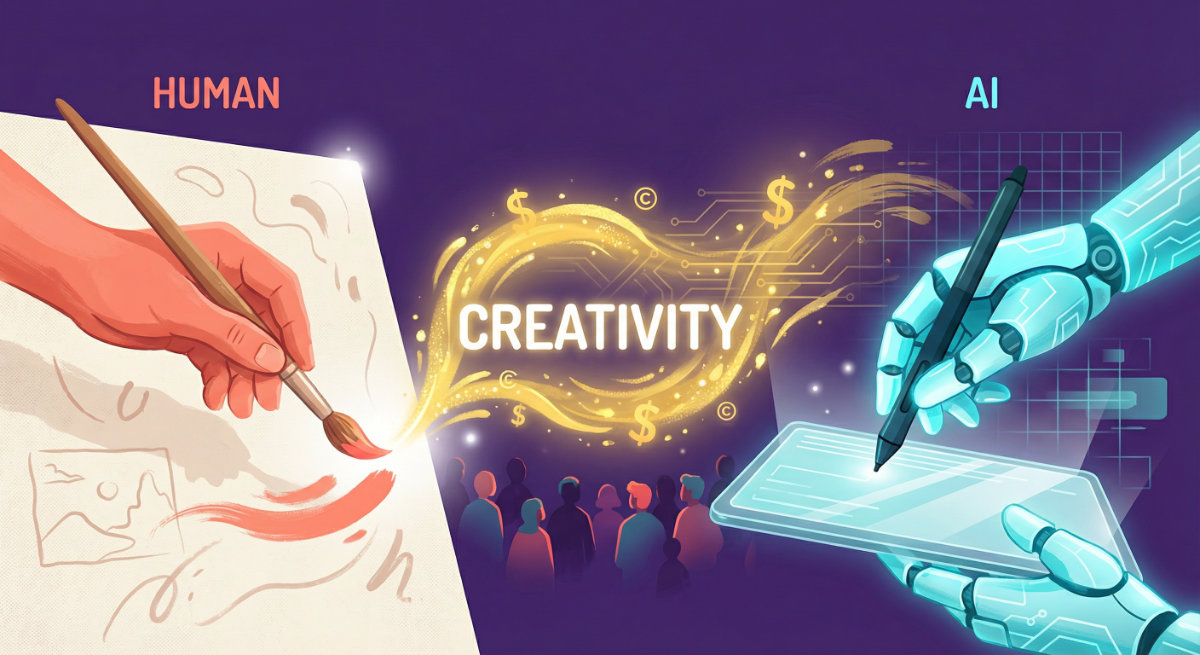
The key principle: Let AI accelerate your human creativity rather than substitute for it. Think “collaboration,” not “automation.”
Creative tip: Try the “AI refinement loop”: generate an idea with AI, sketch your interpretation, feed that back into AI for technical improvements, then finalize manually. This hybrid approach produces unique results while keeping you in creative control.
7. Advocate for Better Industry Standards and Artist Protections
The Ethical Implications of AI Art Generators won’t resolve themselves. Artists, technologists, and users must push for systemic solutions.
Ways to make a difference:
- Support legislation requiring opt-in consent for training data (artists choose whether their work trains AI)
- Demand transparency from AI companies about training datasets
- Favor platforms that implement artist compensation programs
- Participate in industry discussions about fair use and attribution
- Call out exploitative AI art practices when you see them
Current advocacy efforts: Organizations like the Concept Art Association and individual artist groups are fighting for legal protections. Following and supporting these efforts creates real change.
What developers should do: If you’re building AI art tools, implement opt-out mechanisms, compensate training data contributors, and watermark AI outputs for transparency.
8. Educate Others on Responsible AI Art Use
What is the most powerful ethical action you can take? Share what you’ve learned. Many people use AI art generators without understanding the implications.
How to spread awareness:
- When someone shares impressive AI art without disclosure, politely educate them on transparency
- Write social media posts explaining why artist attribution matters
- In creative communities, establish guidelines for AI art use
- Teach workshops or create content on ethical AI practices
- Challenge corporate policies that replace human artists with undisclosed AI
Conversation starter: “That image is beautiful! Is it AI-generated? I’ve been learning about giving proper credit and transparency around AI art.”
Common Mistakes Beginners Make (And How to Avoid Them)
Mistake #1: Thinking “it’s just for fun” exempts you from ethics Even personal, non-commercial use contributes to normalization. Practice beneficial habits from the start.
Mistake #2: Believing that AI art is “victimless” because it does not harm any specific individual. The harm is cumulative and systemic—thousands of small decisions that collectively devalue human creativity.
Mistake #3: Assuming disclosure protects you legally Transparency is ethical, but it doesn’t grant copyright or prevent infringement claims. Legal safety requires more.
Mistake #4: Using AI to cut corners on client work without telling them This violates trust and may breach contracts. Always obtain client consent for AI use.
Mistake #5: Giving up on human art entirely AI can’t replace the unique vision, emotional depth, and intentionality of human artists. Don’t let convenience override value.
The Bigger Picture: What’s at Stake
The Ethical Implications of AI Art Generators extend beyond individual artists. We’re determining what kind of creative future we want:
Economic consequences: The creative industry employs millions globally—illustrators, concept artists, graphic designers, and photographers. Wholesale replacement threatens economic stability in creative fields, particularly for emerging artists who depend on entry-level commissions.
Cultural implications: Art reflects human experience, emotion, and perspective. AI-generated art, no matter how technically impressive, lacks lived experience. A world dominated by AI art risks cultural homogenization and loss of diverse human voices.
Social responsibilities: AI developers profit from systems trained on human creativity. They bear responsibility for ensuring their tools don’t destroy the ecosystems that made them possible. Users share this responsibility through their choices.
FAQ: Your AI Art Ethics Questions Answered
Taking Action: Your Next Steps
You now understand the Ethical Implications of AI Art Generators and have practical strategies for navigating this complex landscape. Here’s what to do next:
If you’re an artist: Protect your work by watermarking images, using tools like Glaze or Nightshade that make artwork resistant to AI training, advocating for legal protections, and educating your audience about the value of human creativity.
If you’re a creator who uses AI: Commit to transparency, prioritize human artists for meaningful projects, use ethically trained tools, and allocate budget to support the creative community even when using AI.
If you’re a developer: Build consent mechanisms into your tools, compensate training data contributors, implement clear AI-generated watermarks, and engage with artist communities to understand their concerns.
If you’re a consumer: Ask questions about how artwork was created, support human artists through purchases and commissions, call for transparency in AI use, and make intentional choices about which creative work you value and promote.
The future of creativity doesn’t have to be a zero-sum game between humans and machines. By making informed, ethical choices today, we can build a creative ecosystem where AI enhances human artistry rather than exploits it.
Start with one action from this list today. Commission an artist. Disclose your AI use. Join an advocacy group. Small ethical decisions, multiplied across millions of creators and consumers, reshape entire industries.
The tools are powerful. The choices are yours. Make them count.
References:
Legal & Copyright Sources:
- U.S. Copyright Office—Official AI Report (January 2025)
- Title: “Copyright and Artificial Intelligence Report—Part 2: Copyrightability”
- URL: https://www.copyright.gov/ai/
- Key finding: AI-generated outputs without sufficient human creative input lack copyright protection
- Status: Official U.S. government source
- Congress.gov – Copyright Office Analysis
- Title: “Generative Artificial Intelligence and Copyright Law”
- URL: https://www.congress.gov/crs-product/LSB10922
- Key finding: Courts ruled human authorship is required; prompts alone don’t establish authorship
- Status: Congressional Research Service (highly authoritative)
- NPR Coverage of Anthropic Lawsuit (June 2025)
- Title: “Federal judge rules in AI company Anthropic’s favor in landmark copyright infringement lawsuit”
- URL: https://www.npr.org/2025/06/25/nx-s1-5445242/
- Key finding: Courts allowing copyright claims to proceed against AI companies using pirated training data
- Status: Major news source covering verified legal proceedings
- Andersen v. Stability AI – Legal Analysis
- URL: https://itsartlaw.org/art-law/artificial-intelligence-and-artists-intellectual-property-unpacking-copyright-infringement-allegations-in-andersen-v-stability-ai-ltd/
- Key finding: August 2024 ruling allowed artists to pursue copyright infringement claims
- Status: Center for Art Law (specialized legal analysis)
- Joseph Saveri Law Firm – Plaintiff Attorney Site
- URL: https://www.saverilawfirm.com/our-cases/ai-artgenerators-copyright-litigation
- Key finding: Details on the LAION-5B dataset (5.85 billion image-text pairs) used to train Stable Diffusion
- Status: Primary source from actual lawsuit attorneys
Economic Impact & Statistics Sources:
- Stanford Graduate School of Business Study (2025)
- Title: “When AI-Generated Art Enters the Market, Consumers Win—and Artists Lose”
- —and URL: https://www.gsb.stanford.edu/insights/when-ai-generated-art-enters-market-consumers-win-artists-lose
- Key findings: 78% increase in images after AI introduction; 23% drop in non-AI artists; 88% more active firms
- Status: Peer-reviewed academic research from prestigious institution
- Brookings Institution Report (October 2025)
- Title: “AI and the visual arts: The case for copyright protection”
- URL: https://www.brookings.edu/articles/ai-and-the-visual-arts-the-case-for-copyright-protection/
- Key findings: 16+ lawsuits filed against AI companies; 6,500+ artists signed letter against Christie’s AI auction
- Status: Major policy research organization
- ArtSmart AI Statistics Report (January 2025)
- URL: https://artsmart.ai/blog/ai-art-statistics/
- Key findings: 76% don’t believe AI art should be called “art”; 89% of artists fear copyright laws are outdated; 48% of Millennials consider AI creations art
- Status: Industry research compilation
- Triple A Review Statistics (January 2025)
- URL: https://tripleareview.com/ai-art-statistics/
- Key findings: 55% of artists believe AI will negatively impact income; 34 million AI images generated daily
- Status: Tech industry analysis
Artist Advocacy & Policy Sources:
- Blaz Project Legal Analysis (July 2025)
- Title: “AI Artists Face Lawsuits: Copyright Issues in the Spotlight”
- URL: https://blaz-project.com/en/ai-copyright-cases/
- Key findings: 72% of professional artists believe AI should require explicit permission; UK issued new framework May 2025 requiring data lineage disclosure
- Status: International legal tech reporting
- Center for Art Law—Recent Developments (May 2025)
- URL: https://itsartlaw.org/art-law/recent-developments-in-ai-art-copyright-copyright-office-report-new-registrations/
- Key finding: Analysis of January 2025 Copyright Office report reaffirming human authorship requirement
- Status: Specialized nonprofit legal organization
About the Author
Alex Rivera is a creative technologist passionate about helping non-technical users harness AI tools responsibly. With a background in both traditional art and emerging technology, Alex bridges the gap between human creativity and artificial intelligence, advocating for ethical practices that honor artists while embracing innovation. Through workshops, writing, and hands-on teaching, Alex empowers creators to use AI as a collaborative tool rather than a replacement for human imagination. When not exploring the intersection of art and technology, Alex can be found sketching in coffee shops and supporting local artists.
Connect with Alex to learn more about ethical AI creativity and human-centered technology.