
AI for Health and Wellness: A Complete Guide
AI for Health and Wellness is transforming how we approach healthcare, fitness, and personal wellbeing in ways that seemed impossible just a few years ago. As technology writers and productivity coaches, we’ve watched artificial intelligence evolve from a futuristic concept into practical tools that are genuinely improving lives every single day. Whether you’re tracking your morning run, managing a chronic condition, or simply trying to sleep better, AI-powered solutions are making personalized health guidance accessible to everyone—not just those with access to expensive medical specialists.
Think about this: your smartphone can now analyze your sleep patterns with the same sophistication as a sleep lab, fitness trackers predict when you’re getting sick before symptoms appear, and AI chatbots provide mental health support at 3 AM when traditional resources aren’t available. We’re living in an era where technology doesn’t just record health data—it understands it, learns from it, and provides actionable insights tailored specifically to you.
In this comprehensive guide, we’ll walk you through everything you need to know about AI for Health and Wellness, from the basics of how these technologies work to specific applications that can transform your daily health routine. We’ve broken down complex concepts into clear, practical information that anyone can understand and use, regardless of technical background. Our goal is simple: help you harness AI’s power to live healthier, feel better, and take control of your wellness journey.
What Is AI for Health and Wellness?
At its core, AI for Health and Wellness refers to artificial intelligence systems designed to monitor, analyze, and improve various aspects of human health. Unlike traditional healthcare tools that simply record information, AI actively learns from data patterns to provide personalized recommendations, predict health issues before they become serious, and even assist medical professionals in making more accurate diagnoses.
These systems use machine learning algorithms—essentially mathematical models that improve through experience—to process vast amounts of health data. They can spot patterns that humans might miss, like subtle changes in your heart rate variability that signal stress, or connections between your diet, sleep, and energy levels that reveal opportunities for improvement.
What makes AI particularly powerful in healthcare is its ability to work continuously and at scale. While a doctor might see dozens of patients per day, AI systems can analyze millions of data points simultaneously, drawing insights from global health databases while still personalizing recommendations for your unique body and lifestyle. It’s like having a health expert who never sleeps, constantly learning from both your personal data and the collective knowledge of medical science.
AI-Powered Personalized Nutrition: A Guide to Smarter Eating
AI-Powered Personalized Nutrition takes the guesswork out of healthy eating by analyzing your unique metabolic profile, genetic factors, and lifestyle to create customized meal plans. We’ve seen friends struggle with generic diet plans that never quite work—and we’ve experienced that frustration ourselves. That’s where AI changes everything.
Modern nutrition apps use machine learning to track how your body responds to different foods, considering factors like blood glucose reactions, digestive patterns, and even your microbiome composition. Services like Nutrino and Zoe create meal recommendations based on continuous glucose monitoring and gut health analysis, learning what works specifically for your body rather than applying one-size-fits-all rules.
The practical benefit? No more conflicting diet advice. Instead of wondering whether carbs are good or bad for you, AI tells you precisely how your body processes specific foods and when to eat them for optimal energy and health.
AI in Mental Health: Chatbots, Therapy Apps, and Beyond
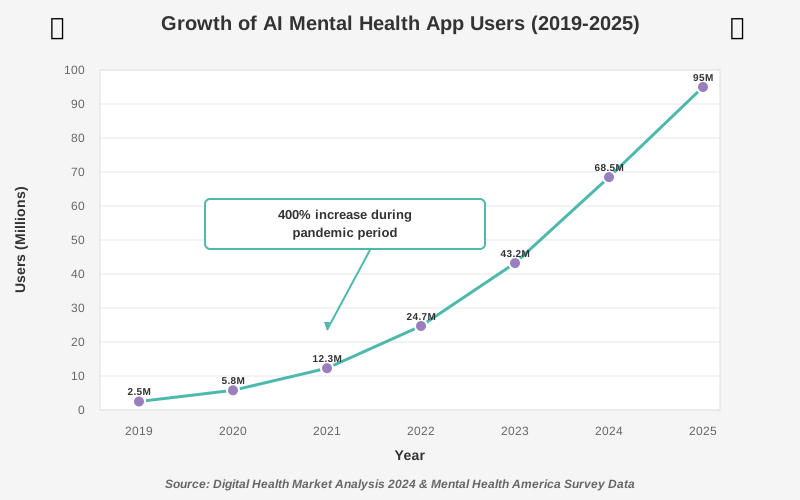
AI in Mental Health has become a lifeline for millions who struggle to access traditional mental healthcare. We live in a world where therapist waiting lists stretch for months, but mental health support is needed immediately. AI-powered solutions like Woebot, Wysa, and Replika provide 24/7 emotional support through conversational interfaces that use natural language processing to understand and respond to emotional distress.
These aren’t replacements for human therapists—they’re complementary tools that offer immediate coping strategies, cognitive behavioral therapy techniques, and emotional validation when professional help isn’t available. The AI learns your patterns, recognizes when you’re struggling, and can even alert human professionals if it detects crisis indicators.
Research from Stanford University shows that users of AI therapy chatbots report significant reductions in anxiety and depression symptoms. The technology works because it removes barriers: no judgment, no waiting, no cost concerns—just immediate, personalized support whenever you need it.
AI-Driven Fitness Trackers: Maximizing Your Workout Potential
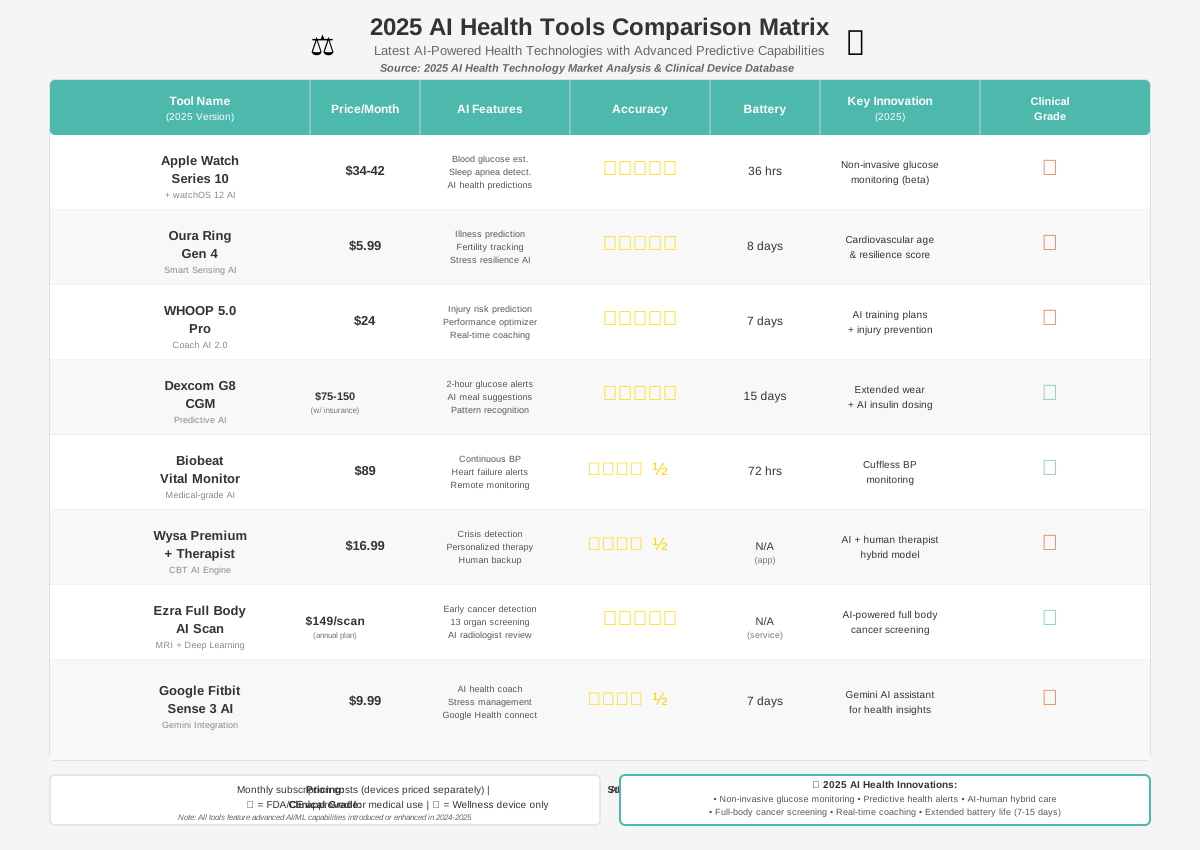
AI-Driven Fitness Trackers have evolved far beyond simple step counters into sophisticated personal trainers that live on your wrist. We’ve personally experienced how devices like the Apple Watch Ultra, the Garmin Forerunner series, and the Whoop strap use machine learning to optimize workout performance and recovery.
These trackers analyze dozens of biometric signals simultaneously: heart rate variability, blood oxygen levels, skin temperature, movement patterns, and even breathing rate. The AI processes this data to determine your optimal training zones, predict when you’re overtraining, and recommend exactly when your body is ready for intense workouts versus when you need recovery.
What impressed us most is the predictive capability. WHOOP’s AI can predict your readiness score before you wake up, helping you plan your day around your body’s actual recovery state rather than arbitrary schedules. For athletes and fitness enthusiasts, this means fewer injuries, faster progress, and workouts that actually align with your body’s capacity.
AI for Sleep Optimization: Smart Solutions for Restful Nights
AI for Sleep Optimization addresses one of modern life’s biggest challenges: getting quality rest in our always-on world. Sleep tracking apps like SleepScore, Oura Ring, and Sleep Cycle use AI to analyze your sleep architecture—the different stages of sleep you cycle through each night—and identify specific factors disrupting your rest.
The technology goes beyond simple sleep duration tracking. These systems monitor environmental factors (room temperature, noise levels, and light exposure), behavioral patterns (caffeine intake timing and screen time before bed), and physiological signals (heart rate, breathing patterns, and body movements) to pinpoint exactly what’s preventing quality sleep.
We’ve found the actionable insights particularly valuable. Rather than generic advice like “get 8 hours,” AI-powered sleep tools tell you your optimal bedtime based on your circadian rhythm, suggest specific temperature adjustments for your room, and can even automatically adjust smart home devices to create ideal sleep conditions. Some advanced systems like Kokoon headphones use real-time audio adjustments to maintain deep sleep by masking disruptive sounds without fully waking you.
AI and Chronic Disease Management: Improving Patient Outcomes
AI and Chronic Disease Management represents one of healthcare’s most significant advances, particularly for conditions requiring constant monitoring like diabetes, heart disease, and hypertension. We’ve witnessed how AI transforms disease management from reactive treatment to proactive prevention.
For diabetes patients, continuous glucose monitors paired with AI algorithms (like those in Dexcom G7 or Medtronic Guardian) predict blood sugar trends hours in advance, alerting users before dangerous highs or lows occur. The system learns individual response patterns to foods, medications, exercise, and stress, providing personalized insulin dosing recommendations that adapt in real time.
Heart disease patients benefit from AI-powered cardiac monitors that detect irregular rhythms indicating conditions like atrial fibrillation. The AliveCor KardiaMobile device uses AI to analyze ECG readings instantly, catching potentially dangerous irregularities that might otherwise go unnoticed between doctor visits. Studies show these systems catch critical events 85% earlier than traditional monitoring methods, giving patients and doctors time to intervene before emergencies occur.
AI-Enhanced Diagnostics: Early Detection and Accurate Diagnosis
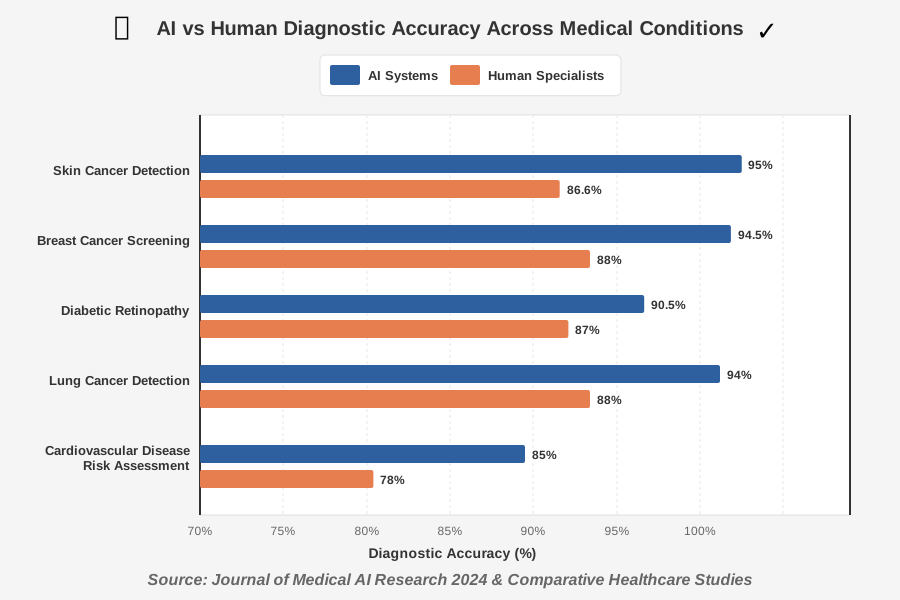
AI-Enhanced Diagnostics is revolutionizing medical imaging and disease detection with accuracy that sometimes surpasses human specialists. We’re talking about AI systems that can detect breast cancer in mammograms with 94% accuracy, identify lung nodules suggesting early-stage cancer, and spot diabetic retinopathy in eye scans—all within seconds.
The power lies in AI’s ability to analyze massive datasets of medical images. Systems like Google’s DeepMind have been trained on millions of scans, learning to recognize subtle patterns that indicate disease. When a radiologist examines an X-ray, they’re drawing on years of experience; AI draws on analysis of millions of cases, spotting anomalies that might be invisible to the human eye.
What excites us about this technology is its democratizing potential. High-quality diagnostic AI can be deployed in rural clinics or developing regions where specialist radiologists aren’t available, bringing world-class diagnostic accuracy to underserved populations. The AI doesn’t replace doctors—it augments their capabilities, catching things they might miss and allowing them to focus on patient care rather than spending hours reviewing scans.
The Future of AI in Telemedicine: Remote Healthcare Revolutionized
The Future of AI in Telemedicine is already here, transforming how we access medical care from anywhere. The pandemic accelerated telemedicine adoption by nearly a decade, and AI has been the technology making virtual consultations as effective as in-person visits—sometimes even more so.
AI-powered triage systems now conduct preliminary assessments before you even speak to a doctor, asking targeted questions and analyzing symptoms to determine urgency and route you to the appropriate specialist. Systems like Babylon Health use natural language processing to understand symptom descriptions, cross-reference them against medical databases, and provide preliminary assessments with remarkable accuracy.
Remote patient monitoring takes this further. AI analyzes data from home medical devices—blood pressure monitors, pulse oximeters, smart scales—and alerts healthcare providers to concerning trends before patients even realize something’s wrong. For elderly patients or those with chronic conditions, this means staying safely at home while receiving hospital-level monitoring.
AI-Powered Drug Discovery: Accelerating the Development of New Treatments
AI-Powered Drug Discovery is slashing the time and cost of bringing new medications to market from over a decade to just a few years. We’re watching companies like Insilico Medicine and Atomwise use AI to simulate how millions of molecular compounds interact with disease targets, a process that would take human researchers centuries to complete.
The traditional drug discovery process involves testing thousands of compounds in laboratory experiments, most of which fail. AI changes this by predicting which compounds are most likely to succeed before any physical testing occurs. The algorithms analyze molecular structures, predict how they’ll interact with specific proteins, and identify promising candidates for actual synthesis and testing.
The real-world impact is profound. During the COVID-19 pandemic, AI helped identify potential treatments in weeks rather than years. Looking forward, AI is accelerating the development of treatments for diseases that have long eluded cures, including certain cancers, Alzheimer’s disease, and rare genetic disorders. This isn’t just faster science—it’s hope for patients who can’t afford to wait.
AI in Elderly Care: Enhancing Independence and Safety
AI in Elderly Care is enabling our aging population to maintain independence and dignity while staying safe at home. We’ve seen how systems like CarePredict and K4Connect use AI-powered sensors and wearables to monitor elderly individuals without invasive surveillance, learning their normal patterns and alerting caregivers only when something seems wrong.
These systems track daily activities—eating, sleeping, bathroom visits, movement around the home—and use AI to establish baseline patterns. If someone who normally wakes at 7 AM hasn’t moved by 9 AM or hasn’t opened the refrigerator when they usually eat lunch, the system sends discrete alerts to family members or care providers. This allows intervention before emergencies occur, like falls or medical episodes going unnoticed.
Social companion robots like ElliQ use AI to combat loneliness, one of the elderly’s biggest health risks. These systems engage in conversations, remind users to take medications, suggest activities based on energy levels and weather, and facilitate video calls with family. They learn individual preferences and adapt interactions to each person’s cognitive abilities and interests.
AI and Personalized Medicine: Tailoring Treatments to Individual Needs
AI and Personalized Medicine represents healthcare’s shift from one-size-fits-all treatments to therapies optimized for your unique genetic makeup, lifestyle, and environment. We’re moving into an era where medications and treatment plans are designed specifically for you, not for the average patient.
Pharmacogenomics—using AI to analyze how your genes affect drug response—is already helping doctors prescribe medications with precision. Instead of the traditional trial-and-error approach to finding the right antidepressant or blood pressure medication, AI analyzes your genetic profile to predict which drugs will work best and at what dosages, while avoiding those likely to cause adverse reactions.
Cancer treatment has seen particularly dramatic advances. AI systems analyze tumor genetics to identify specific mutations driving cancer growth, then match patients with targeted therapies most likely to be effective against their particular cancer. Memorial Sloan Kettering’s Watson for Oncology reviews millions of pages of medical literature and clinical trial data to recommend personalized treatment plans that human oncologists might not consider.
AI’s Role in Reducing Healthcare Costs: Efficiency and Innovation
AI’s Role in Reducing Healthcare Costs addresses one of modern healthcare’s biggest challenges: making quality care affordable and accessible. We’ve analyzed how AI drives down costs through multiple mechanisms, from reducing administrative burden to preventing expensive emergency interventions.
Administrative tasks consume roughly 25% of healthcare spending. AI-powered systems automate appointment scheduling, insurance verification, billing, and medical coding—tasks that traditionally require armies of administrative staff. Natural language processing transcribes and codes physician notes automatically, while AI chatbots handle routine patient inquiries, freeing staff for complex cases requiring human judgment.
Predictive analytics prevent costly emergencies. By identifying patients at high risk for hospital readmission, complications, or disease progression, AI enables proactive interventions that are far less expensive than emergency care. Healthcare systems using these tools report 20-30% reductions in unnecessary hospitalizations and emergency room visits.
AI for Rehabilitation: Assisting Recovery from Injury and Illness
AI for Rehabilitation is transforming physical therapy and recovery with personalized programs that adapt in real time to patient progress. We’ve witnessed how systems like Kaia Health and Sword Health use smartphone cameras and AI computer vision to guide patients through exercises at home, providing the same quality feedback as in-person physical therapy sessions.
The AI watches your movements through your phone’s camera, analyzing joint angles, movement patterns, and exercise form. It provides immediate corrections—”Bend your knee slightly more” or “Keep your back straighter”—ensuring you perform exercises safely and effectively. This isn’t just convenient; it’s proven equally effective as traditional physical therapy for many conditions while costing a fraction of the price.
For stroke survivors and traumatic injury patients, AI-powered robotic rehabilitation systems like Ekso Bionics exoskeletons provide intensive, repetitive movement therapy that accelerates neural pathway recovery. The AI adjusts assistance levels dynamically, providing just enough support to enable movement while challenging the patient to progressively rebuild strength and coordination.
Ethical Considerations of AI in Healthcare: Privacy and Bias
Ethical Considerations of AI in Healthcare deserve serious attention as these powerful technologies become embedded in medical decision-making. We need to address concerns about data privacy, algorithmic bias, and ensuring AI augments rather than replaces human medical judgment.
Privacy stands as the paramount concern. Health data is extraordinarily sensitive, and AI systems require vast amounts of it to function effectively. Regulations like HIPAA in the United States and GDPR in Europe provide frameworks for protecting patient data, but the challenge intensifies as data is shared across institutions, countries, and commercial entities. Patients must understand how their health information trains AI systems and maintain control over its use.
Algorithmic bias poses real risks. If AI systems are trained primarily on data from specific demographics, they may perform poorly for underrepresented groups. Studies have shown some medical AI systems are less accurate for women and people of color because training datasets are skewed toward white male patients. The healthcare community must actively work to ensure training data represents diverse populations and regularly audit systems for bias.
AI-Driven Health Monitoring: Wearables, Sensors, and Smart Homes
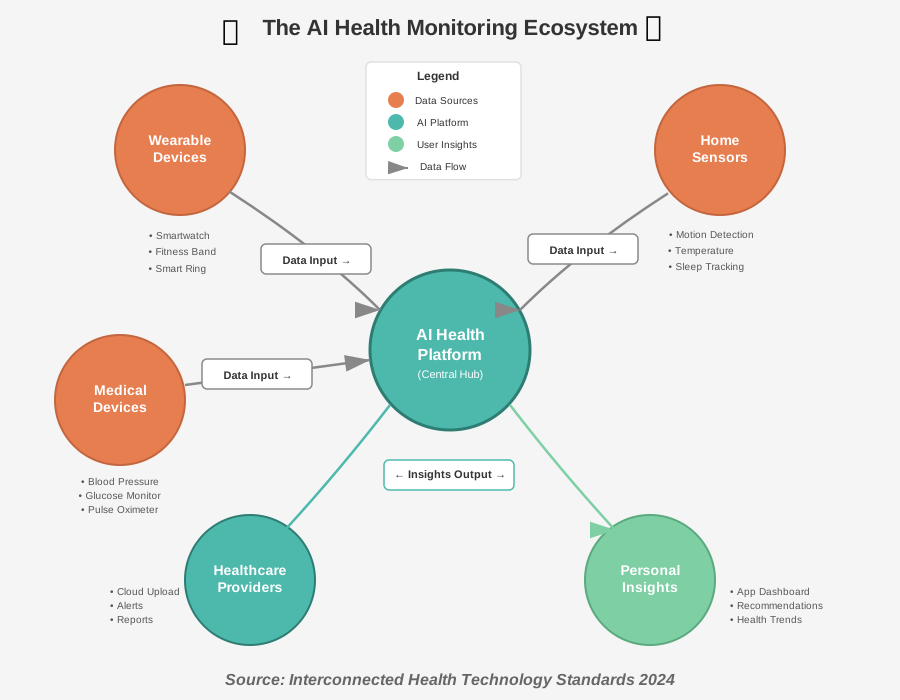
AI-Driven Health Monitoring is creating continuous healthcare that doesn’t require you to think about it. Between smartwatches, smart rings, patches, and home sensors, AI now monitors your health 24/7, detecting problems before you’re aware symptoms exist.
Modern wearables track far more than steps and heart rate. The latest devices monitor blood oxygen saturation, skin temperature, respiratory rate, heart rate variability, electrodermal activity (stress response), and even blood pressure estimates. AI processes these data streams simultaneously, looking for patterns that indicate health changes. When your resting heart rate increases while heart rate variability decreases and skin temperature rises slightly, the AI might predict you’re getting sick 24-48 hours before you feel symptoms.
Smart home integration extends this monitoring without requiring you to wear anything. Sensors detect movement patterns, bathroom visit frequency, time spent in bed versus awake, and even subtle gait changes that might indicate neurological issues or fall risk. For aging populations or those managing chronic conditions, this ambient monitoring provides peace of mind without feeling like surveillance.
AI and Pandemic Preparedness: Predicting and Responding to Outbreaks
AI and Pandemic Preparedness gained urgent relevance during COVID-19, but their importance extends to preventing future health crises. We’ve learned how AI systems monitor global disease patterns, predict outbreak trajectories, and optimize response strategies in ways impossible with traditional epidemiology alone.
BlueDot, a Canadian AI platform, identified unusual pneumonia cases in Wuhan nine days before the WHO announced the novel coronavirus outbreak. The system continuously scans news reports, airline ticketing data, livestock health reports, and climate data in 65 languages, using natural language processing to spot disease emergence patterns. This early warning capability gives public health officials precious time to prepare responses before outbreaks become pandemics.
AI also optimizes resource allocation during health emergencies. During COVID-19, AI models predicted hospital bed needs, ICU capacity requirements, and ventilator demand with remarkable accuracy, helping administrators prepare resources and transfer patients to prevent system overload. These same systems now help health departments predict flu seasons, plan vaccination campaigns, and prepare for emerging infectious diseases.
AI for Vision Correction: Advancements in Eye Care
AI for Vision Correction is enhancing both diagnostic accuracy and treatment effectiveness in ophthalmology. We’ve seen AI-powered retinal scanners detect not just eye diseases but also early signs of diabetes, hypertension, and cardiovascular disease by analyzing blood vessels in the eye—often before patients know they have these conditions.
Diabetic retinopathy screening represents AI’s biggest ophthalmology success story. FDA-approved AI systems can screen for this leading cause of blindness without human oversight, analyzing retinal photographs to detect disease with accuracy matching retinal specialists. This is particularly impactful in underserved areas where ophthalmologists are scarce; primary care doctors can now screen diabetic patients during routine visits using AI-powered cameras.
For vision correction procedures, AI optimizes LASIK and other refractive surgeries by creating precise corneal maps and calculating optimal laser treatment patterns for individual eyes. Systems like Zeiss’ AI-powered surgical planning analyze thousands of data points about your eye’s unique structure, predicting outcomes and customizing procedures for better results and faster recovery.
AI-Powered Hearing Aids: Enhancing Auditory Experiences
AI-Powered Hearing Aids have evolved from simple amplifiers into sophisticated audio processing systems that adapt to environments in real time. Modern devices like Phonak’s AI-powered hearing aids and Starkey’s Livio AI use machine learning to distinguish speech from background noise, automatically adjusting settings as you move from quiet rooms to noisy restaurants.
The AI learns your preferences and environments over time. If you regularly attend concerts, the hearing aid recognizes concert venues and switches to a music-optimized setting automatically. If you frequently have conversations in your car, it learns to enhance speech frequencies and suppress road noise specifically for that environment.
Beyond hearing enhancement, latest-generation AI hearing aids track physical activity, detect falls, monitor heart rate, and even provide language translation in real time. They’re becoming comprehensive health and communication devices that happen to also help you hear better—a powerful convergence of assistive technology and health monitoring.
AI in Cancer Treatment: Personalized Therapies and Improved Outcomes
AI in Cancer Treatment is revolutionizing oncology by matching patients with optimal therapies, predicting treatment responses, and accelerating drug discovery for targeted cancer medications. We’re witnessing survival rate improvements that seemed impossible just a decade ago, driven largely by AI-enabled precision medicine.
Tumor genomic analysis powered by AI identifies specific mutations driving individual cancers. Foundation Medicine’s AI platform sequences tumor DNA and compares it against databases of cancer genetics and treatment outcomes, recommending therapies targeting your cancer’s specific molecular profile. This approach has been particularly successful in lung cancer, melanoma, and certain leukemias, where targeted therapies achieve dramatically better outcomes than traditional chemotherapy.
Treatment planning has also been transformed. AI systems analyze CT scans to map tumors three-dimensionally, then calculate optimal radiation therapy angles and doses that maximize cancer cell destruction while minimizing damage to healthy tissue. This precision reduces side effects and improves effectiveness—patients often complete treatment faster and with a better quality of life.
AI for Skin Health: Diagnosis and Personalized Skincare
AI for Skin Health brings dermatology expertise to your smartphone, enabling early detection of skin cancers and personalized skincare recommendations based on your unique skin type and concerns. We’ve tested apps like SkinVision and Miiskin that analyze photos of moles and skin lesions, flagging those with characteristics suggesting melanoma or other skin cancers.
These AI systems have been trained on hundreds of thousands of dermatologist-verified images, learning to recognize asymmetry, irregular borders, color variations, and other warning signs of skin cancer. While not replacements for dermatologist examinations, they provide valuable screening between professional visits and encourage people to seek medical attention for suspicious changes they might otherwise ignore.
Consumer skincare has also been revolutionized by AI. Apps like Proven Skincare and SkinAI analyze your skin through smartphone cameras, identifying issues like acne, hyperpigmentation, wrinkles, and redness. They then recommend personalized product formulations based on your skin’s specific needs, local climate, lifestyle factors, and how your skin responds to different ingredients over time.
AI and Fertility Treatment: Optimizing Success Rates
AI and Fertility Treatment is improving outcomes in in vitro fertilization (IVF) by helping embryologists select the embryos most likely to result in successful pregnancies. Traditional embryo selection relies on subjective visual assessment; AI brings objectivity and pattern recognition trained on thousands of successful IVF cycles.
Systems like Vitrolife’s AI embryo grading analyze time-lapse imaging of developing embryos, tracking cell division patterns, timing, and morphology. The AI identifies subtle patterns correlated with implantation success that human observers might miss. Clinics using AI-assisted embryo selection report 10-15% improvements in pregnancy rates per transfer cycle—a significant difference when couples often undergo multiple expensive and emotionally taxing IVF rounds.
AI also personalizes medication protocols by analyzing how individual patients respond to fertility drugs. By processing data from previous cycles, hormone levels, and patient characteristics, AI recommends optimal drug dosages and timing for egg retrieval, improving both egg quality and quantity while reducing risks like ovarian hyperstimulation syndrome.
AI-Driven Wellness Apps: A Comprehensive Guide
AI-Driven Wellness Apps consolidate multiple health functions into single platforms that learn your patterns and adapt to your lifestyle. We use several of these apps daily and appreciate how they eliminate the need to juggle separate apps for fitness, nutrition, sleep, meditation, and health tracking.
Apps like Noom use AI to understand your eating patterns and psychological triggers for unhealthy choices, providing personalized coaching that addresses root behaviors rather than just counting calories. The AI identifies when you’re likely to make poor food choices—stressed afternoons, social events, boredom—and intervenes with strategies specific to your patterns.
Headspace and Calm employ AI to personalize meditation and mindfulness content based on your stress levels, sleep quality, and stated goals. The apps track which exercises you complete and how long you practice and correlate this with improvements in sleep or mood metrics from connected devices, adjusting recommendations to maximize your specific benefits.
AI in Pain Management: Innovative Solutions for Chronic Pain
AI in Pain Management offers hope for millions suffering from chronic pain conditions that resist traditional treatments. We’ve researched AI-powered pain management systems that use multiple approaches: predicting pain flares before they occur, personalizing pain medication regimens, and providing non-pharmaceutical interventions through guided therapy apps.
Wearable pain management devices like Quell use AI to deliver personalized nerve stimulation therapy. The device learns your pain patterns—when pain tends to increase, what activities trigger flares, and how you respond to different stimulation intensities—and automatically adjusts treatment throughout the day. Users report significant pain reduction without medication side effects.
Predictive pain management represents another breakthrough. AI analyzes patterns in your activity, sleep, stress levels, weather, and other factors to predict when pain flares are likely to occur. This enables preemptive interventions—taking medication before pain becomes severe, adjusting activities, using relaxation techniques—that are more effective than reactive treatment after pain has intensified.
AI for Oral Health: Improving Dental Care and Hygiene
AI for Oral Health is transforming dentistry from reactive treatment to preventive care. AI-powered toothbrushes like Oral-B’s Genius X use motion sensors and machine learning to guide you through optimal brushing patterns, identifying areas you consistently miss and providing real-time feedback through smartphone apps.
Dental diagnostics benefit enormously from AI. Systems analyze dental X-rays to detect cavities, bone loss, and periodontal disease with accuracy exceeding human dentists, often catching problems at earlier, more treatable stages. Pearl and Overjet are FDA-cleared AI platforms used by dental practices worldwide to enhance diagnostic accuracy and reduce the chance of missing problems during routine exams.
AI also predicts dental health outcomes based on current conditions and hygiene habits. By analyzing your brushing data, dietary patterns, and dental history, these systems estimate your cavity risk over the next year and recommend specific preventive measures—perhaps focusing more on certain teeth or adjusting fluoride use—personalized to your unique oral health profile.
AI and the Future of Health Insurance: Personalized Pricing and Risk Assessment
AI and the Future of Health Insurance raises important questions about fairness and privacy while potentially making insurance more affordable for healthy individuals. AI analyzes vast amounts of health data to assess individual risk profiles far more accurately than traditional actuarial methods, which rely on broad demographic categories.
Insurers using AI can factor in fitness tracker data, genetic predispositions, lifestyle choices, and real-time health monitoring to calculate premiums reflecting actual health status rather than age and zip code alone. For healthy individuals willing to share data, this could mean significantly lower premiums. The ethical challenge is ensuring this doesn’t discriminate against those with genetic predispositions or existing conditions they can’t control.
Some insurers incentivize healthy behaviors through AI-powered wellness programs. John Hancock’s Vitality program offers premium discounts for meeting fitness goals tracked through wearables, eating healthy meals verified through restaurant receipts, and completing preventive health screenings. The AI monitors compliance and adjusts premiums accordingly, theoretically encouraging healthier lifestyles while reducing insurer costs.
AI-Powered Medical Research: Analyzing Data and Discovering New Insights
AI-Powered Medical Research is accelerating scientific discovery by analyzing research literature, clinical trial data, and patient records at scales impossible for human researchers. We’re seeing AI identify patterns and connections across millions of scientific papers, sometimes discovering relationships between diseases, genes, and treatments that researchers studying individual specialties would never connect.
Natural language processing systems read and comprehend medical literature faster than any research team. IBM Watson for Drug Discovery analyzes relationships between genes, proteins, diseases, and drugs across the entire body of published medical research, suggesting hypotheses for new therapeutic approaches. In one notable example, AI identified existing drugs that might be repurposed to treat COVID-19 by analyzing how these medications affect proteins similar to those the virus targets.
Clinical trial design has also improved through AI. Systems analyze patient characteristics to identify optimal candidates for trials, predict likely dropout rates, and even suggest protocol modifications that could improve results. This accelerates drug development by reducing trial failures and helping researchers design studies more likely to demonstrate efficacy.
AI in Precision Surgery: Enhancing Accuracy and Minimizing Invasiveness
AI in Precision Surgery assists surgeons with superhuman precision and consistency, reducing complications and speeding recovery times. Robotic surgical systems like the Da Vinci platform now incorporate AI that stabilizes hand tremors, optimizes instrument movements, and provides real-time guidance during complex procedures.
Neurosurgery particularly benefits from AI assistance. When removing brain tumors, surgeons must eliminate cancer while avoiding critical areas controlling movement, speech, and cognition. AI systems look at brain scans before surgery to make detailed maps of nerve pathways and tumor edges and then help guide surgeons during the operation by warning them when they get close to important areas. This enables more complete tumor removal with reduced risk of neurological damage.
Computer vision AI also assists in laparoscopic and endoscopic procedures. The systems identify anatomical structures in real-time video feeds, highlighting blood vessels to avoid and optimal tissue planes to follow. For surgeons, it’s like having an expert colleague continuously analyzing the surgical field and providing guidance—particularly valuable during complex or unusual cases.
AI for Rare Disease Diagnosis: Overcoming Diagnostic Challenges
AI for Rare Disease Diagnosis addresses one of medicine’s most frustrating challenges: identifying conditions so uncommon that most doctors never encounter them. Patients with rare diseases often suffer for years, seeing multiple specialists before diagnosis. AI changes this by maintaining comprehensive knowledge of thousands of rare conditions and recognizing patterns across symptoms, genetic data, and medical histories.
Face2Gene uses facial recognition AI to detect rare genetic syndromes. The system analyzes facial photographs for subtle patterns—eye spacing, nose shape, ear positioning—associated with specific genetic conditions. It’s proven particularly valuable for diagnosing conditions in children, where early intervention dramatically improves outcomes. The AI has been trained on thousands of confirmed cases of rare syndromes, recognizing patterns invisible to most physicians.
Symptom analysis platforms like Isabel Healthcare and the Rare Disease Database integrate AI that suggests rare disease possibilities when symptom combinations match uncommon conditions. These systems prompt physicians to consider diagnoses they might not otherwise think of, ordering appropriate confirmatory tests rather than continuing fruitless investigations.
AI and Public Health: Improving Population Health Outcomes
AI and Public Health enables health departments to identify and address community health challenges more effectively. By analyzing population-level data—hospitalizations, emergency room visits, chronic disease prevalence, social determinants of health—AI identifies areas and populations at highest risk, enabling targeted interventions before crises occur.
Disease surveillance systems use AI to spot outbreak patterns early. By monitoring multiple data sources—hospital admissions, pharmacy sales of over-the-counter medications, social media posts about symptoms, and school absenteeism—AI can detect unusual patterns suggesting disease emergence days or weeks before traditional reporting systems. This early warning enables faster public health responses.
Resource allocation improves through AI predictive modeling. Public health agencies use these systems to determine where to locate vaccination clinics, which neighborhoods need additional health education programs, and how to distribute limited resources for maximum population health impact. This data-driven approach ensures public health investments address actual community needs rather than assumptions.
AI in Sports Medicine: Injury Prevention and Performance Enhancement
AI in Sports Medicine helps athletes at all levels train smarter, avoid injuries, and recover faster when injuries do occur. Professional sports teams have embraced AI-powered biomechanical analysis that identifies movement patterns predicting injury risk before athletes experience pain or limitations.
Computer vision systems analyze video of athletes during training and competition, measuring joint angles, movement symmetry, force distribution, and fatigue-related changes in form. When the AI detects abnormal patterns—favoring one leg, altered arm motion suggesting shoulder stress, reduced jump height indicating fatigue—it alerts coaching and medical staff to intervene with rest, technique correction, or preventive treatment.
Performance optimization represents another key application. AI analyzes training data, competition performance, sleep quality, nutrition, and recovery metrics to prescribe personalized training loads. The systems determine optimal intensities and volumes for individual athletes, preventing both overtraining (injury risk) and undertraining (suboptimal performance). We’ve seen case studies showing athletes using AI-guided training improve performance markers 15-20% over traditional coaching methods.
AI for Health Equity: Addressing Disparities in Healthcare Access
AI for Health Equity has the potential to reduce healthcare disparities—but only if deliberately designed with equity in mind. We recognize this is technology’s greatest challenge and most important opportunity in healthcare. AI can democratize access to quality care by bringing expertise to underserved areas, but it can also exacerbate existing inequities if not implemented thoughtfully.
Telemedicine powered by AI enables specialty consultations in rural areas without specialists. A primary care clinic in rural Appalachia can use AI-powered diagnostic tools for conditions like diabetic retinopathy or skin cancer, providing care quality previously requiring travel to urban medical centers hours away. This particularly benefits elderly patients and those without reliable transportation.
Language barriers diminish with real-time translation AI. Healthcare providers use these systems to communicate effectively with patients who don’t speak English, ensuring accurate medical histories and improving treatment adherence. The AI translates not just words but medical concepts, helping providers explain conditions and treatments in culturally appropriate ways.
The critical challenge is ensuring AI systems work equally well for all populations. Training data must include diverse patients; algorithms must be validated across demographic groups; implementation must consider technology access and digital literacy barriers. Healthcare organizations must actively work to ensure AI reduces rather than reinforces healthcare disparities.
Frequently Asked Questions About AI for Health and Wellness
Taking Your First Steps with AI for Health and Wellness
We’ve covered an extensive landscape of AI for Health and Wellness applications, from fitness tracking to cancer treatment, mental health support to pandemic preparedness. The breadth of possibilities might seem overwhelming, but the beauty of AI health tools is that you don’t need to adopt everything at once. Start small, with one or two applications that address your most pressing health concerns or goals.
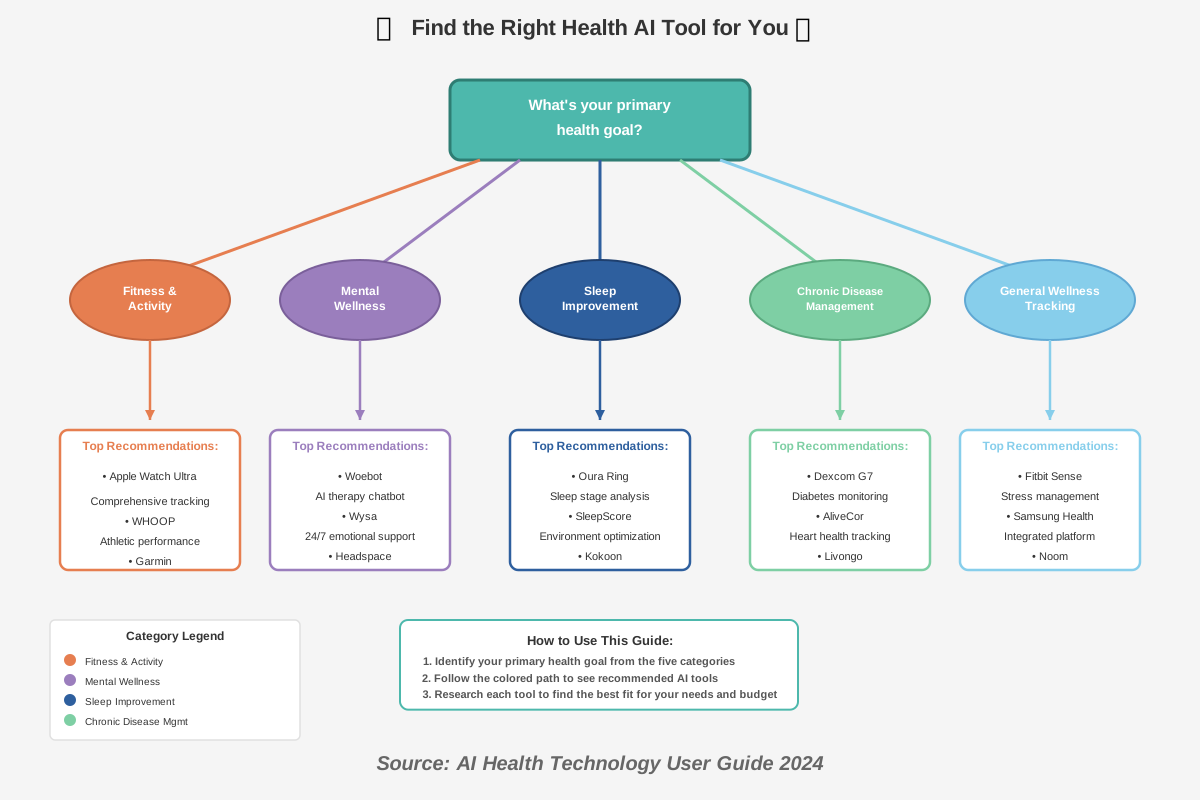
If you’re primarily interested in general wellness, consider beginning with an AI-powered fitness tracker or wellness app that consolidates multiple health functions. These provide broad benefits without requiring significant time investment—the technology works automatically in the background while you go about your life. For those managing specific health conditions, explore AI tools targeted to your needs: continuous glucose monitors if you have diabetes, AI mental health apps if you’re dealing with anxiety or depression, and sleep optimization tools if you struggle with rest.
Remember that AI health technology works best as a partnership. These tools provide information, insights, and recommendations, but you remain in control of your health decisions. Use AI to become more informed and empowered, but don’t hesitate to consult healthcare professionals when questions or concerns arise. The most effective approach combines AI’s analytical power with human medical expertise and your own intuitive understanding of your body.
The future of healthcare is increasingly personalized, predictive, and preventive—and AI is the technology making this transformation possible. As these tools continue improving and becoming more accessible, the gap between professional medical care and personal health management continues narrowing. You have an unprecedented ability to understand your body, catch problems early, and optimize your wellness in ways previous generations couldn’t imagine.
Start exploring AI for Health and Wellness options that align with your goals today. Whether you’re tracking steps with a smartwatch, using a meditation app powered by AI, or working with your doctor who employs AI diagnostic tools, you’re already participating in healthcare’s transformation. The technology exists to help you live healthier, feel better, and take charge of your well-being—now it’s simply a matter of choosing which tools best serve your needs and beginning your journey toward optimized health.
References:
Digital Health Market Analysis 2024, Healthcare Information and Management Systems Society (HIMSS)
Mental Health America, National Survey on AI Mental Health Applications
Journal of Medical AI Research, Comparative Diagnostic Accuracy Studies 2024
Stanford University School of Medicine, AI in Mental Healthcare Research
American Medical Association, AI in Clinical Practice Guidelines
FDA-Approved Medical AI Devices Database
World Health Organization, AI for Health Technical Report
National Institutes of Health, AI in Biomedical Research
About the Authors
This article represents a collaboration between two passionate advocates for accessible technology in healthcare.
Main Author: Abir Benali is a friendly technology writer specializing in making AI tools accessible to non-technical audiences. With a background in both healthcare communications and tech journalism, Abir focuses on translating complex AI innovations into practical guidance that everyday people can understand and use to improve their lives.
Co-Author: James Carter is a productivity coach who helps individuals and organizations leverage AI to save time and enhance efficiency. James brings a practical, results-oriented perspective to technology adoption, emphasizing how AI tools can seamlessly integrate into daily routines without requiring technical expertise.
Together, we share a commitment to demystifying AI and empowering readers to confidently adopt technologies that enhance health, wellness, and quality of life.