
AI in Healthcare: Transforming Patient Diagnosis
AI in Healthcare is fundamentally changing how we diagnose diseases, deliver treatments, and interact with medical systems. As someone deeply invested in both technology ethics and practical healthcare solutions, I’ve witnessed firsthand how these tools can enhance patient outcomes when implemented responsibly. This revolution isn’t just about faster computers in hospitals—it’s about creating healthcare systems that are more accurate, accessible, and personalized than ever before.
The integration of artificial intelligence into medical practice represents one of the most significant shifts in healthcare since the discovery of antibiotics. From analyzing medical images with superhuman accuracy to predicting patient deterioration hours before traditional methods, AI in Healthcare is opening doors we didn’t even know existed. But with this power comes responsibility—we must ensure these technologies protect patient privacy, reduce rather than amplify health disparities, and remain transparent in their decision-making processes.
In this comprehensive guide, we’ll explore the transformative applications of AI across the healthcare spectrum, examine the ethical considerations that keep me up at night, and provide you with actionable insights on how these technologies can benefit you or your organization. Whether you’re a healthcare professional curious about implementation, a patient wondering what AI means for your care, or simply interested in this intersection of technology and medicine, this article will equip you with the knowledge you need to navigate this rapidly evolving landscape safely and confidently.
What is AI in Healthcare?
At its core, AI in Healthcare refers to the application of machine learning algorithms, natural language processing, and other computational intelligence techniques to medical problems. Think of it as giving computers the ability to recognize patterns in medical data—patterns so complex or subtle that human practitioners might miss them.
These systems learn from vast amounts of medical data: millions of patient records, thousands of medical images, and countless research papers. They identify relationships between symptoms, test results, genetic markers, and outcomes. Unlike traditional computer programs that follow rigid rules, AI systems improve their performance over time, adapting to new information and refining their predictions.
What makes this particularly powerful in healthcare is the sheer volume and complexity of medical information. A single patient might generate gigabytes of data—lab results, imaging scans, genetic sequences, vital sign monitoring, and clinical notes. AI excels at synthesizing this information quickly and identifying insights that would take human practitioners hours or days to uncover.
How AI Works in Healthcare Settings
Understanding how these systems function helps us use them more effectively and identify potential concerns. AI in Healthcare typically operates through several key mechanisms that I’ll break down in practical terms.
Machine learning models are trained on historical patient data, learning to recognize patterns associated with specific conditions. For example, a diagnostic AI might analyze thousands of chest X-rays labeled by expert radiologists, gradually learning which visual patterns indicate pneumonia, cancer, or other conditions. Once trained, these models can analyze new images in seconds, flagging potential concerns for human review.
Natural language processing allows AI to extract meaning from clinical notes, research papers, and patient communications. This technology can identify relevant medical history buried in years of documentation, spot drug interaction risks mentioned across different providers’ notes, or even detect early warning signs of mental health crises in patient messages.
Predictive analytics uses patient data to forecast future health events. These systems might predict which patients are at highest risk for hospital readmission, which diabetic patients will likely develop complications, or when a patient in intensive care might experience sudden deterioration. This foresight enables proactive interventions that can save lives and reduce suffering.
AI in Healthcare: Transforming Diagnostics with Machine Learning
Machine learning is revolutionizing diagnostic accuracy across virtually every medical specialty. In 2025, we’re seeing diagnostic AI systems that match or exceed expert human performance in specific tasks while processing information at speeds that were unimaginable just years ago.
Radiology has experienced perhaps the most dramatic transformation. AI systems now analyze CT scans, MRIs, and X-rays with remarkable precision, detecting subtle abnormalities that might escape even experienced eyes during long shifts. These tools don’t replace radiologists—they augment their capabilities, serving as a tireless second opinion that never suffers from fatigue or distraction.
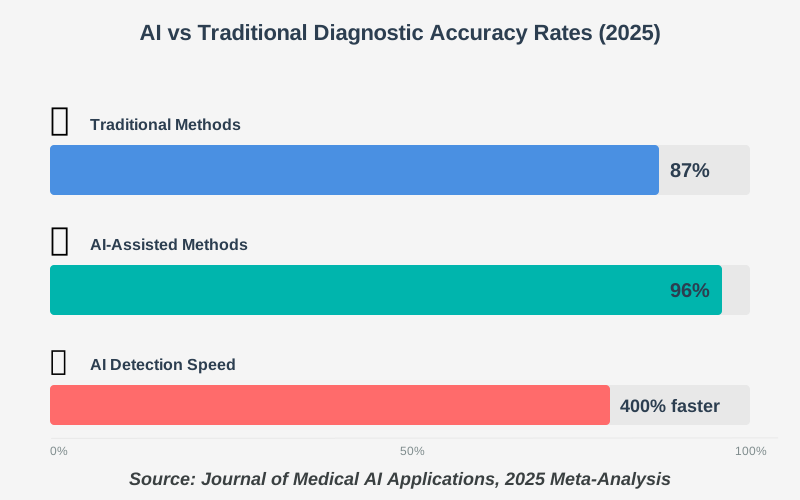
Pathology is another area experiencing significant AI impact. Digital pathology systems analyze tissue samples, identifying cancerous cells and even predicting how aggressive tumors might be.
Dermatology has embraced AI tools that help identify skin cancers and other conditions from photographs. While these shouldn’t replace professional medical evaluation, they’re making screening more accessible, particularly in underserved areas where dermatologists are scarce.
The key insight I always emphasize: these diagnostic AI systems work best as collaborative tools, not autonomous replacements. A radiologist reviewing images with AI assistance catches more problems than either could alone. This human-AI partnership represents the future of diagnostic medicine.
The Role of AI in Personalized Medicine: Tailoring Treatments for Better Outcomes
Personalized medicine—tailoring treatments to individual patients based on their unique genetic makeup, lifestyle, and health history—has long been a healthcare dream. AI is making this vision increasingly real.
Genomic analysis powered by AI can identify which cancer treatments will likely work best for a specific patient based on their tumor’s genetic profile. This precision approach means fewer ineffective treatments, less wasted time, and better outcomes. Instead of the traditional trial-and-error approach to cancer therapy, oncologists can now use AI to predict which drugs will target a patient’s specific cancer mutations.
Pharmacogenomics—understanding how genes affect medication response—benefits enormously from AI analysis. These systems can predict which patients will experience severe side effects from certain drugs, who will need higher or lower doses, and which alternative medications might work better. This personalization reduces adverse drug reactions, a major cause of hospitalizations that affects millions annually.
Treatment optimization extends beyond drug selection. AI systems analyze patient response data to fine-tune everything from insulin dosing for diabetic patients to immunosuppression protocols for transplant recipients. These algorithms continuously learn from outcomes, improving recommendations over time.
I’ve seen how this technology transforms patient experiences. One recent case involved a patient whose cancer had resisted multiple standard treatments. AI-driven genomic analysis identified a rare mutation that responded to a medication typically used for a completely different cancer type. This kind of insight—connecting dots across vast medical knowledge—exemplifies AI’s potential in personalized care.
AI-Powered Drug Discovery: Accelerating the Development of New Medications
Drug discovery traditionally takes 10-15 years and costs billions of dollars. AI is compressing these timelines dramatically while reducing costs and improving success rates.
Machine learning models can screen millions of potential drug compounds virtually, identifying promising candidates in days rather than years. These systems predict how molecules will interact with disease targets, which compounds will have acceptable safety profiles, and which formulations will work best in the human body.
In 2025, we’re seeing AI-designed drugs entering clinical trials that were discovered in a fraction of the traditional time. One notable antibiotic designed primarily by AI recently showed promising results against drug-resistant bacteria—a critical need as antibiotic resistance threatens global health.
AI also accelerates drug repurposing—finding new uses for existing medications. These systems analyze vast medical databases to identify drugs approved for one condition that might treat another. This approach is faster and safer than developing new drugs from scratch, since safety profiles are already established.
The COVID-19 pandemic demonstrated AI’s potential in drug discovery. AI systems helped identify existing drugs that might combat the virus, designed new antiviral compounds, and optimized vaccine development processes. While human scientists remained central to these efforts, AI dramatically accelerated timelines.
Beyond small molecule drugs, AI is revolutionizing biologics development—complex protein-based therapies like antibodies and gene therapies. These molecules are extraordinarily difficult to design and optimize, but AI can predict protein folding, binding characteristics, and manufacturability with increasing accuracy.
AI in Robotic Surgery: Enhancing Precision and Minimizing Invasiveness
Robotic surgery enhanced by AI represents the cutting edge of surgical precision. These systems don’t operate autonomously—surgeons remain in complete control—but AI assistance enables procedures that would be impossible through traditional approaches.
Computer vision AI helps robotic surgical systems identify anatomical structures in real-time, highlighting critical blood vessels or nerves that must be avoided. This guidance is particularly valuable in complex procedures where millimeter precision determines success or complications.
Motion scaling and tremor filtration allow surgeons to perform incredibly delicate manipulations. The AI-enhanced robotic arms translate a surgeon’s hand movements into micro-movements inside the patient’s body, filtering out any hand tremors and enabling precision far beyond human capability alone.
Predictive assistance is an emerging capability where AI analyzes the surgical field and anticipates the surgeon’s next steps, pre-positioning instruments or suggesting optimal angles of approach. Recent 2025 research shows this collaboration reduces procedure times and complications while improving outcomes.
Surgical planning benefits from AI analysis of preoperative scans. These systems create detailed 3D models of the surgical area, identify potential challenges, and suggest optimal approaches. Surgeons can rehearse complex procedures virtually before ever entering the operating room.
Remote surgery is becoming viable thanks to AI-enhanced robotic systems with sophisticated latency compensation and safety monitoring. This technology could eventually allow specialist surgeons to operate on patients thousands of miles away, dramatically improving access to expert surgical care.
AI for Remote Patient Monitoring: Improving Access to Healthcare
Remote patient monitoring powered by AI is transforming healthcare delivery, particularly for chronic disease management and postoperative care. These systems continuously analyze patient data from home, alerting healthcare teams to concerning changes before they become emergencies.
Wearable devices equipped with AI algorithms monitor vital signs, activity levels, and other health metrics continuously. For heart failure patients, AI can detect subtle changes in heart rhythm or fluid retention days before patients would notice symptoms themselves. This early warning enables medication adjustments or other interventions that prevent hospitalizations.
Home monitoring systems for diabetic patients use AI to analyze continuous glucose data, predict dangerous blood sugar swings, and recommend dietary or insulin adjustments. These systems learn individual patterns—how a particular patient responds to specific foods, exercise, or stress—providing increasingly personalized guidance over time.
Post-surgical monitoring catches complications early when they’re most treatable. AI systems analyze data from sensors monitoring wound healing, vital signs, and activity levels, identifying patients who need additional attention while reassuring others they’re recovering normally.
Mental health monitoring is an emerging application where AI analyzes communication patterns, social media activity, or smartphone usage to identify individuals at risk for depression, anxiety, or suicidal ideation. While privacy concerns require careful consideration, these tools could provide early intervention for vulnerable individuals.
The democratizing potential of this technology excites me—quality healthcare monitoring becomes accessible regardless of geography or economic status. Rural patients or those in underserved communities gain access to sophisticated monitoring that previously required expensive hospital stays.
AI in Healthcare: The Ethical Considerations and Challenges
As someone focused on ethical AI implementation, I must emphasize the significant challenges accompanying these powerful technologies. Understanding and addressing these concerns isn’t optional—it’s fundamental to responsible AI deployment in healthcare.
Privacy and security concerns top my list. Medical AI systems require vast amounts of sensitive patient data for training and operation. How do we ensure this information remains secure? Who owns the insights AI derives from patient data? Recent 2025 data breaches affecting healthcare AI systems underscore that our security measures must evolve alongside the technology.
Algorithmic bias represents a profound challenge. If AI systems train primarily on data from certain demographic groups, they may perform poorly for others. Studies have documented AI diagnostic tools that work well for lighter-skinned patients but miss conditions in darker-skinned individuals. Similarly, some AI systems trained predominantly on male patient data provide less accurate predictions for women. Addressing these biases requires diverse training data and continuous monitoring for disparate outcomes.
Transparency and explainability matter enormously when AI influences medical decisions. If an AI system recommends against a particular treatment, can it explain why? Can physicians understand the reasoning well enough to identify potential errors? Many powerful AI models operate as “black boxes,” producing accurate predictions without revealing their logic. This opacity creates challenges for informed consent and clinical oversight.
Liability questions arise when AI contributes to medical decisions. If an AI-assisted diagnosis proves incorrect, who bears responsibility? The physician who relied on the AI? The healthcare institution that deployed it? The company that developed it? Current legal frameworks weren’t designed for human-AI collaboration in high-stakes decisions.
The digital divide threatens to worsen health disparities. As AI-enhanced care becomes standard in well-funded urban hospitals, patients in rural or underserved areas might be left behind, receiving increasingly outdated care. We must ensure AI benefits all patients, not just those with access to premium healthcare systems.
Dependency concerns me as well. As physicians increasingly rely on AI assistance, might their independent diagnostic skills atrophy? What happens when systems fail or aren’t available? We need training approaches that enhance rather than replace human expertise.
AI-Driven Medical Imaging Analysis: Improving Accuracy and Efficiency
Medical imaging analysis showcases AI’s most mature healthcare applications. These systems now routinely analyze X-rays, CT scans, MRIs, and ultrasounds, often matching or exceeding human expert performance while processing images much faster.
Mammography screening has seen dramatic AI impact. Systems now detect suspicious breast lesions that radiologists might miss, while reducing false positives that lead to unnecessary biopsies and patient anxiety. Latest 2025 research indicates AI-assisted mammography catches approximately 20% more cancers than traditional reading while reducing false alarms by 15%.
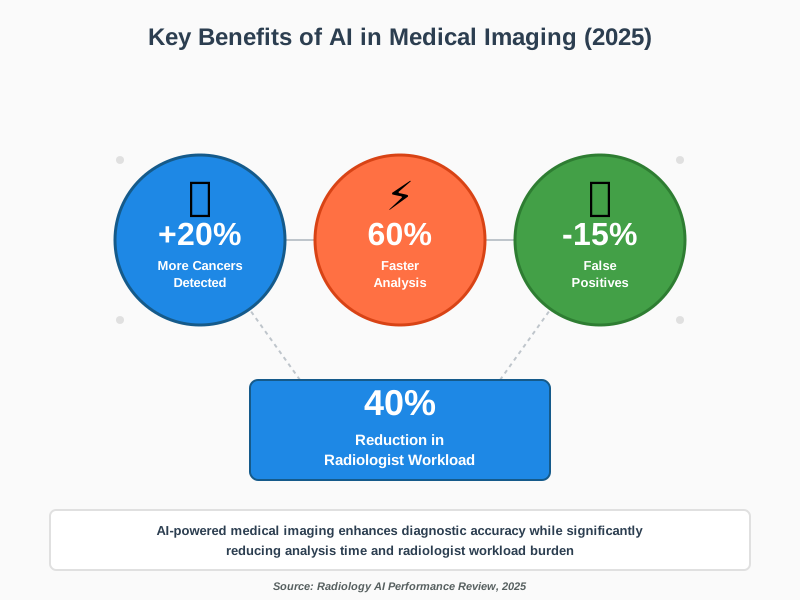
Lung cancer screening benefits similarly from AI analysis of chest CT scans. These systems identify suspicious nodules, track their growth over time, and estimate malignancy risk with impressive accuracy. Early detection through AI-enhanced screening significantly improves survival rates.
Stroke diagnosis speed matters critically—every minute of delayed treatment increases brain damage. AI systems analyzing brain CT scans can identify stroke indicators within seconds, alerting specialists and accelerating treatment decisions. Some hospitals using AI stroke detection have reduced door-to-treatment times by over 30 minutes.
Fracture detection, particularly subtle fractures easily missed on X-rays, has improved substantially with AI assistance. Emergency department physicians supported by AI fracture detection systems catch significantly more injuries, ensuring appropriate treatment and reducing complications.
Workflow optimization represents an underappreciated benefit. AI systems prioritize urgent cases automatically, ensuring critical findings receive immediate attention while routine studies await review during normal workflows. This triage capability improves patient safety while helping radiologists manage workloads more efficiently.
AI in Healthcare: Reducing Administrative Burden and Costs
Healthcare’s administrative burden consumes enormous resources that could otherwise support patient care. AI offers substantial relief, automating tedious tasks and allowing healthcare professionals to focus on what they do best—caring for patients.
Clinical documentation, which consumes 30-40% of many physicians’ time, is being revolutionized by AI-powered scribing tools. These systems listen during patient encounters, automatically generating structured clinical notes that previously required extensive typing. Physicians review and approve the notes, dramatically reducing documentation time while improving note quality.
Prior authorization—the process of obtaining insurance approval before procedures or medications—frustrates both patients and providers. AI systems now handle much of this bureaucracy, predicting which services require authorization, automatically gathering supporting documentation, and even drafting approval requests. This automation reduces authorization delays from days to hours in many cases.
Medical coding, translating clinical documentation into billing codes, is error-prone and time-consuming when done manually. AI coding assistants analyze clinical notes and automatically suggest appropriate codes, reducing errors that lead to claim denials while accelerating the revenue cycle.
Appointment scheduling and patient communication benefit from AI chatbots that handle routine questions, schedule appointments, send reminders, and collect pre-visit information. These systems operate 24/7, improving patient satisfaction while freeing staff for more complex interactions.
Supply chain optimization uses AI to predict equipment and medication needs, reducing waste from expired supplies while preventing shortages.
AI-Powered Mental Healthcare: Providing Accessible and Affordable Support
Mental healthcare faces severe access challenges—too few providers, long wait times, high costs, and persistent stigma. AI is creating new access points while supporting overburdened mental health professionals.
AI-powered chatbots provide immediate support for individuals experiencing anxiety, depression, or other mental health challenges. These conversational agents offer coping strategies, monitor mood trends, and can escalate to human providers when situations require professional intervention. While not replacing therapists, they provide valuable support between sessions or when professional help isn’t immediately available.
Early intervention systems analyze patterns in digital behavior—social media posts, smartphone usage, and communication patterns—to identify individuals at risk for mental health crises. When deployed with appropriate privacy protections and consent, these tools enable outreach before situations become critical.
Therapy augmentation tools help human therapists work more effectively. AI systems analyze session recordings (with patient consent), identifying patterns and suggesting therapeutic approaches. They can also monitor patient progress between sessions, alerting therapists to concerning developments.
Crisis hotline support uses AI to help volunteer counselors by suggesting responses, identifying crisis severity, and connecting callers with appropriate resources. This assistance helps less experienced volunteers handle difficult situations more effectively.
Personalized treatment matching uses AI to analyze patient characteristics and predict which therapy approaches will likely work best. This data-driven approach to treatment planning can reduce the trial-and-error period many patients experience finding effective care.
The mental health applications of AI require particular ethical attention. These tools handle extraordinarily sensitive information and work with vulnerable individuals. Privacy protections must be absolute, and we must ensure AI augments rather than depersonalizes mental health care.
The Future of AI in Healthcare: Emerging Trends and Innovations
Looking ahead, emerging AI capabilities promise even more dramatic healthcare transformations. Understanding these trends helps us prepare for both opportunities and challenges.
Multimodal AI systems that simultaneously analyze multiple data types—medical images, lab results, genetic data, clinical notes, and vital signs—will provide more comprehensive patient assessment. These integrated systems will identify patterns and connections that single-modality AI misses, enabling earlier diagnosis and more precise treatment.
Federated learning allows AI models to train across multiple healthcare institutions without sharing patient data. Each institution’s data remains local and private, but the AI learns from patterns across all participating sites. This approach addresses privacy concerns while enabling AI to learn from diverse patient populations.
Explainable AI (XAI) represents crucial progress toward trustworthy medical AI. These systems articulate their reasoning in terms clinicians can understand and critique, enabling genuine human-AI partnership rather than blind reliance on algorithmic recommendations.
Ambient intelligence will integrate AI seamlessly throughout healthcare environments. Voice-activated systems will update records during patient encounters, environmental sensors will monitor patients continuously without obtrusive equipment, and care will flow more naturally without constant technology interaction.
Predictive prevention will shift healthcare from reactive treatment to proactive health maintenance. AI systems analyzing comprehensive health data will identify disease risks years before symptoms appear, enabling lifestyle interventions or preventive treatments that stop diseases before they start.
Digital twins—virtual models of individual patients updated continuously with real health data—will enable personalized treatment simulation. Physicians could test different treatment approaches virtually, identifying optimal strategies before beginning actual treatment.
AI’s Role in Predicting and Preventing Healthcare Crises
Predictive analytics powered by AI is transforming our ability to anticipate and prevent medical emergencies, both at individual and population levels.
Sepsis prediction exemplifies individual-level prevention. Sepsis, a life-threatening response to infection, kills millions annually and requires immediate treatment. AI systems analyzing patient vital signs, lab values, and clinical notes can predict sepsis onset hours before traditional recognition methods, enabling early antibiotic administration that dramatically improves survival.
Hospital readmission prediction helps identify patients at high risk of returning to the hospital after discharge. These individuals receive enhanced discharge planning, more frequent follow-up, and proactive intervention when concerning signs emerge. Healthcare systems using the AI readmission prediction report see 20-30% reductions in preventable readmissions.
Disease outbreak prediction uses AI to analyze patterns in electronic health records, social media, search queries, and other data sources to detect emerging infectious disease outbreaks. These early warning systems enable public health responses before outbreaks spread widely.
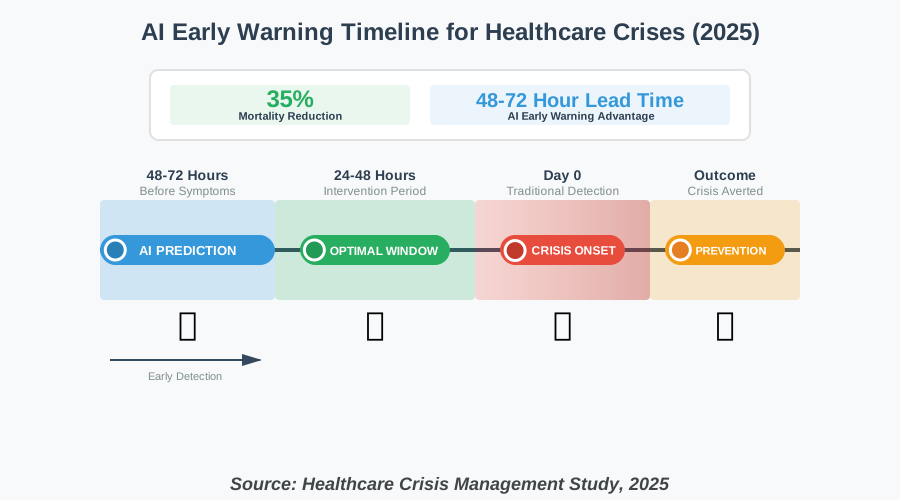
Resource allocation optimization uses AI to predict healthcare demand surges—flu season severity, emergency department volumes, ICU bed needs—enabling proactive staffing and resource positioning. Hospitals using these systems reduce crisis-driven overtime and improve care quality during high-demand periods.
Personal health deterioration prediction for chronic disease patients identifies when stability is faltering before acute episodes occur. Diabetic patients heading toward dangerous blood sugar swings, heart failure patients beginning to retain fluid, or COPD patients developing respiratory infections receive interventions that prevent emergency situations.
AI in Healthcare: Improving Clinical Trial Efficiency and Recruitment
Clinical trials developing new medical treatments face significant challenges: slow patient recruitment, high costs, and frequent failures. AI is addressing these obstacles, accelerating the path from laboratory discovery to approved therapy.
Patient identification and recruitment uses AI to scan electronic health records, identifying individuals who match trial criteria. This automated screening finds eligible participants far faster than manual chart review while identifying diverse patient populations that might otherwise be missed.
Trial site selection benefits from AI analysis predicting which locations will recruit successfully based on patient population characteristics, historical performance, and competitive trial activity. This data-driven approach reduces the number of underperforming sites, improving overall trial efficiency.
Protocol optimization uses AI to analyze previous trials, identifying protocol elements associated with high dropout rates, slow recruitment, or poor data quality. These insights enable better trial design before studies begin.
Safety monitoring gets enhanced by AI systems that continuously analyze accumulating trial data, identifying potential safety signals earlier than traditional scheduled reviews. This capability protects participants while reducing the risk of late-stage trial failures due to safety issues.
Synthetic control arms represent a controversial but promising AI application. Rather than enrolling patients into placebo groups, AI creates “synthetic” control patients based on historical data with similar characteristics. This approach could reduce the number of patients receiving ineffective treatments while maintaining scientific validity.
AI and the Internet of Medical Things (IoMT): A Connected Healthcare Ecosystem
The Internet of Medical Things—connected medical devices and sensors—generates massive data streams that human healthcare teams cannot effectively monitor without AI assistance.
Connected medical devices in hospitals continuously collect patient data: vital signs from bedside monitors, medication doses from smart pumps, and movement from bed sensors. AI systems analyze these integrated data streams, identifying concerning patterns and alerting nurses to patients needing attention.
Home health IoMT devices enable chronic disease management outside healthcare facilities. Connected insulin pumps, blood pressure monitors, weight scales, and activity trackers feed data to AI systems that provide real-time guidance and alert healthcare teams to problems.
Medication adherence monitoring uses smart pill bottles, connected inhalers, and other devices to track whether patients take medications as prescribed. AI systems identify adherence patterns and can trigger interventions—reminder messages, pharmacist calls, or care team outreach—when patients struggle with their regimens.
Interoperability challenges arise when diverse devices from different manufacturers must communicate effectively. AI can serve as a translation layer, normalizing data from various sources and identifying meaningful patterns despite technical inconsistencies.
Security concerns intensify as medical devices connect to networks. These devices, often running outdated software and lacking robust security, can become entry points for cyberattacks. AI-powered security systems monitor IoMT networks for suspicious activity, protecting patient safety and privacy.
AI-Powered Wearable Technology: Monitoring Health and Preventing Disease
Wearable technology equipped with AI transforms consumer devices into powerful health monitoring tools, democratizing access to continuous health assessment.
Smartwatches with AI-powered heart rhythm monitoring detect atrial fibrillation—a common irregular heartbeat that increases stroke risk. These devices have identified this condition in millions of people who had no idea they had it, enabling treatment that prevents strokes.
Sleep monitoring wearables use AI to analyze movement, heart rate, and breathing patterns during sleep, identifying sleep apnea and other sleep disorders. These insights help users and physicians optimize sleep quality, which affects virtually every aspect of health.
Activity and exercise optimization uses AI to provide personalized fitness guidance based on continuous activity monitoring. These systems recommend appropriate exercise intensity, suggest recovery periods, and help prevent overtraining injuries.
Fall detection for elderly individuals uses AI analysis of accelerometer and gyroscope data to distinguish actual falls from normal activities. When falls occur, these systems automatically alert emergency contacts or services, potentially saving lives when individuals cannot call for help themselves.
Stress and mental health monitoring analyzes heart rate variability, activity patterns, and other physiological signals to assess stress levels and detect potential mental health concerns. These insights enable timely self-care or professional intervention.
Accuracy concerns remain significant—many consumer wearables have not undergone rigorous medical validation. Users should understand these devices provide helpful insights but shouldn’t replace professional medical evaluation. Always discuss concerning findings with qualified healthcare providers.
AI in Healthcare: Managing and Analyzing Big Data for Insights
Healthcare generates enormous data volumes—petabytes annually from a single large hospital system. AI excels at extracting meaningful insights from these massive, complex datasets.
Population health management uses AI to analyze data across entire patient populations, identifying trends, disparities, and intervention opportunities. These systems might identify neighborhoods with high diabetes rates but low screening rates, enabling targeted prevention programs.
Real-world evidence generation analyzes data from actual clinical practice (as opposed to controlled research studies) to understand how treatments perform in diverse, real-world patient populations. AI can extract insights from millions of patient records, identifying treatment effectiveness patterns across different demographic groups and medical conditions.
Genomic data analysis represents a particularly data-intensive challenge—a single human genome contains billions of data points. AI systems identify disease-associated genetic variants, predict drug response based on genetic markers, and uncover previously unknown disease mechanisms.
Healthcare operations analytics uses AI to identify inefficiencies and improvement opportunities across healthcare organizations. These analyses might reveal scheduling patterns that reduce patient waiting times, supply chain optimizations that reduce costs, or workflow modifications that improve staff satisfaction.
Data quality improvement is an often-overlooked AI application. Healthcare data contains numerous errors, inconsistencies, and gaps. AI systems can identify and sometimes correct these issues, improving data reliability for all downstream uses.
Privacy-preserving analytics techniques like differential privacy and homomorphic encryption enable AI analysis of sensitive healthcare data while providing mathematical guarantees that individual privacy remains protected. These approaches allow learning from collective data patterns without exposing individual patient information.
AI’s Impact on Nursing: Enhancing Efficiency and Patient Care
Nursing involves both highly skilled patient care and numerous time-consuming administrative tasks. AI is helping nurses focus more on the former and spend less time on the latter.
Early warning scores powered by AI continuously assess patient stability, alerting nurses to subtle deterioration signs before obvious symptoms appear. These systems analyze vital signs, lab results, and other indicators, helping nurses prioritize their attention among multiple patients.
Documentation assistance through AI-powered systems reduces the time nurses spend charting. Voice-activated systems allow nurses to dictate observations and care activities in natural language, with AI structuring this information into proper documentation format.
Medication administration support uses computer vision AI to verify correct medication, dose, and patient before administration, reducing medication errors that cause significant patient harm. These systems work alongside nurses’ own verification processes, adding an additional safety layer.
AI chatbots augment patient education and communication by answering routine patient questions, providing medication information, and explaining post-discharge instructions. This support frees nurses to handle more complex patient needs while ensuring patients receive timely responses to their concerns.
Staffing optimization uses AI to predict patient census, acuity, and care needs, enabling more accurate nurse staffing. Proper staffing improves both patient outcomes and nurse satisfaction while reducing costly last-minute staffing adjustments.
Nursing expertise remains irreplaceable—the compassion, clinical judgment, and human connection nurses provide. AI serves as a tool that enhances nursing practice rather than replacing nurses. The most effective healthcare teams combine nursing expertise with AI-enhanced capabilities.
AI in Healthcare: Addressing Health Disparities and Improving Equity
Health disparities—differences in health outcomes between demographic groups—represent a fundamental healthcare challenge that AI could either help solve or worsen.
Bias detection in existing healthcare practices uses AI to analyze treatment patterns and outcomes across demographic groups, revealing disparities that might otherwise go unnoticed. These insights enable targeted interventions to ensure equitable care.
Access expansion through telemedicine and AI-powered care delivery brings medical expertise to underserved areas. Rural patients who previously traveled hours for specialist consultations can now receive AI-enhanced remote care, reducing geographic barriers.
Language barrier reduction uses AI-powered translation during medical encounters, ensuring non-English speakers receive equivalent care quality. These systems translate not just words but medical concepts, improving communication accuracy.
Cultural competency enhancement emerges when AI systems train on diverse patient populations and learn to recognize how cultural factors influence health behaviors and treatment preferences. This cultural awareness helps healthcare teams provide more appropriate, respectful care.
However, AI also risks worsening disparities. Algorithmic bias embedded in training data can lead AI systems to provide inferior care for minority groups. The digital divide means advanced AI tools might only reach well-resourced healthcare systems, leaving vulnerable populations with increasingly outdated care.
Addressing these challenges requires intentional effort: diverse development teams, representative training data, continuous monitoring for disparate outcomes, and policies ensuring AI benefits reach all communities. As someone focused on ethical technology deployment, I believe we must prioritize equity as a core AI healthcare objective, not an afterthought.
AI-Driven Telemedicine: Expanding Access to Specialist Care
Telemedicine enhanced by AI breaks down geographic and economic barriers that prevent millions from accessing quality healthcare, particularly specialist expertise.
Virtual consultation platforms use AI to gather patient information before appointments, present relevant data to physicians efficiently, and even suggest diagnoses or treatment plans for physician review. These tools make virtual visits more efficient and effective than they would be otherwise.
Specialist access through AI-assisted primary care enables primary care physicians to manage conditions they might otherwise refer to specialists. AI systems provide evidence-based treatment guidance, monitor patient response, and identify when specialist referral becomes truly necessary. This approach reduces specialist bottlenecks while containing costs.
Diagnostic assistance in remote settings helps healthcare providers with limited specialist support deliver higher-quality care. A rural emergency physician evaluating a patient with chest pain receives AI-powered ECG interpretation and risk assessment, improving diagnostic confidence and treatment decisions.
Remote monitoring programs use AI to analyze data from patients at home, alerting specialists when intervention is needed. A cardiologist can manage dozens of heart failure patients at home through AI monitoring, providing timely interventions while reducing hospitalizations.
Global health applications extend specialist expertise to developing regions. AI-enhanced telemedicine enables specialists in advanced healthcare systems to support providers in resource-limited settings, improving care quality worldwide.
The key limitation I emphasize: telemedicine works best for certain conditions and situations. Physical examination remains essential for many diagnoses, and some patients lack the technology access or digital literacy for effective virtual care. Telemedicine should complement, not replace, in-person care options.
AI in Healthcare: The Role of Natural Language Processing (NLP)
Natural language processing enables AI systems to understand and generate human language, unlocking insights trapped in unstructured clinical notes, research papers, and patient communications.
Clinical documentation improvement uses NLP to analyze physician notes, identifying missing information, suggesting additional documentation that would better support diagnoses, or flagging potential quality issues. These systems help ensure documentation accurately reflects patient complexity and care delivered.
Literature synthesis applies NLP to medical research publications, extracting key findings and identifying relevant studies for specific clinical questions. Physicians can query these systems in natural language and receive synthesized evidence-based answers, keeping current with rapidly evolving medical knowledge.
Patient intake and triage benefit from NLP chatbots that conduct initial assessments, gathering symptom information and medical history before human provider encounters. These conversations help prioritize urgent cases and prepare providers with relevant information.
Adverse event detection scans clinical notes for mentions of complications, medication side effects, or other safety concerns that might not be captured in structured data fields. This surveillance enables faster identification and response to safety issues.
Sentiment analysis in patient communications identifies frustration, confusion, or distress that might indicate care quality issues or patients at risk for poor adherence. Healthcare teams can proactively address these concerns before they escalate.
Social determinants documentation extracts mentions of housing insecurity, food access issues, transportation barriers, or other social factors from clinical notes. Identifying these challenges enables appropriate social support referrals that improve health outcomes.
AI and Blockchain in Healthcare: Enhancing Security and Interoperability
Combining AI and blockchain technology addresses key healthcare challenges around data security, patient control, and system interoperability.
Secure data sharing uses blockchain to create auditable records of who accesses patient information, enabling data sharing for AI development and care coordination while maintaining security and accountability. Patients can grant and revoke access permissions, maintaining control over their health information.
Medical credential verification through blockchain creates tamper-proof records of professional licenses, certifications, and training. AI systems can instantly verify credentials and alert organizations to expired licenses or disciplinary actions.
Clinical trial data integrity benefits from blockchain’s immutability—trial data records cannot be altered after entry, preventing fraud and ensuring data trustworthiness. AI analysis of this verified data produces more reliable results.
Supply chain tracking for medications and medical devices uses blockchain to create permanent records from manufacturing through patient administration, preventing counterfeit products and enabling rapid response when safety issues emerge.
Interoperability improvement emerges when blockchain provides standardized frameworks for data exchange between disparate healthcare systems. AI can more effectively analyze data when it’s structured consistently across sources.
Payment and insurance processing benefit from blockchain-based smart contracts that automatically execute when conditions are met—claims automatically pay when AI verifies appropriate care delivery, reducing administrative friction.
These technologies remain relatively early in healthcare adoption. Technical challenges, regulatory uncertainty, and implementation costs have slowed deployment. However, the potential for securing health data while enabling beneficial AI applications makes this an important area to watch.
AI in Healthcare: Training the Next Generation of Healthcare Professionals
Medical education must evolve to prepare healthcare professionals for AI-augmented practice while maintaining essential clinical skills and judgment.
Simulation-based training uses AI to create realistic patient scenarios that adapt based on learner decisions. These systems provide unlimited practice opportunities with immediate feedback, accelerating skill development without risking patient safety.
Personalized learning pathways employ AI to assess individual knowledge gaps and learning styles, customizing educational content for maximum effectiveness. Medical students receive targeted instruction on topics they haven’t mastered while advancing quickly through familiar material.
Clinical decision support training teaches healthcare professionals to work effectively with AI tools—understanding their capabilities and limitations, recognizing when to follow AI recommendations versus exercising independent judgment, and remaining accountable for patient care decisions.
Diagnostic skill maintenance addresses concerns about expertise atrophy when AI handles routine tasks. Educational programs must ensure physicians maintain independent diagnostic capabilities while learning to leverage AI effectively.
Interprofessional education uses AI simulation environments where nursing, physician, and other students practice team-based care together, improving collaboration skills essential for modern healthcare delivery.
Ethics education covering AI-specific challenges prepares future healthcare professionals to navigate the unique ethical questions arising from AI adoption: How do you explain AI-influenced treatment recommendations to patients? How do you identify and respond to potential AI biases? When should you override AI recommendations?
AI-Powered Chatbots in Healthcare: Improving Patient Engagement and Communication
Healthcare chatbots provide 24/7 availability, immediate responses, and scalable patient support that would be impossible with human-only teams.
Symptom-checking chatbots help patients evaluate symptoms and determine appropriate care urgency—self-care, scheduling a regular appointment, urgent care, or emergency services. These tools reduce inappropriate emergency department visits while ensuring truly urgent cases receive prompt attention.
Appointment and administrative support chatbots handle scheduling, prescription refills, insurance questions, and billing inquiries without requiring staff time. Patients receive instant assistance even outside business hours, improving satisfaction while reducing administrative workload.
Chronic disease management chatbots provide daily support for patients managing diabetes, heart disease, or other chronic conditions. These systems offer medication reminders, lifestyle coaching, symptom monitoring, and motivation to maintain treatment plans.
Mental health support chatbots deliver immediate assistance during distress, provide coping strategies, and maintain ongoing supportive relationships between therapy sessions. While not replacing human therapists, these tools expand access to mental health support.
Health education chatbots answer questions about conditions, medications, and procedures in personalized, accessible language. Patients can explore health topics without judgment, repeating questions until they understand.
The limitations are significant: chatbots lack empathy, cannot handle complex situations, and sometimes provide incorrect information. They work best for routine interactions while escalating complex needs to human providers. Transparency about chatbot limitations protects patient safety and maintains trust.
The Economics of AI in Healthcare: Cost-Benefit Analysis and ROI
Understanding the economic impact of AI helps healthcare organizations make informed investment decisions and society evaluate AI’s value proposition.
Implementation costs include software licensing, hardware infrastructure, data preparation, workflow redesign, staff training, and ongoing maintenance. These expenses can be substantial—enterprise AI implementations often cost millions initially with significant annual operating costs.
Efficiency gains deliver return on investment through reduced staff time on administrative tasks, faster patient throughput, and better resource utilization. One large hospital system reported saving 100,000 nursing hours annually through AI documentation assistance—time redirected to direct patient care.
Quality improvement benefits, while harder to quantify financially, include lives saved through earlier diagnosis, complications prevented through better monitoring, and improved outcomes from more precise treatments.
Revenue cycle improvement from AI-powered coding and billing generates measurable return through fewer claim denials, faster payment, and increased appropriate reimbursement capture.
Litigation risk reduction may result from AI-assisted decision support that helps providers follow evidence-based practices and document care more thoroughly, though this benefit requires more research to quantify.
Competitive pressure increasingly drives AI adoption—healthcare organizations fear falling behind competitors who offer AI-enhanced care. This pressure can lead to premature adoption of insufficiently validated tools, a concern for both patient safety and resource stewardship.
The broader economic question involves AI’s impact on healthcare spending growth. Will AI reduce overall costs through prevention and efficiency, or will it enable more expensive care delivery that increases spending? Current evidence is mixed, with outcomes likely depending on how thoughtfully organizations implement and regulate AI healthcare applications.
AI in Healthcare: Navigating Regulatory Frameworks and Compliance
Regulatory oversight of AI medical devices and software remains a rapidly evolving challenge for developers, healthcare organizations, and regulatory agencies worldwide.
FDA regulation in the United States treats many AI healthcare applications as medical devices requiring pre-market review and approval. The FDA has developed specific frameworks for AI software, including provisions for adaptive algorithms that continuously learn from new data—a fundamentally different challenge than traditional medical devices with fixed functionality.
Clinical validation requirements ensure AI systems demonstrate safety and effectiveness before clinical use. However, establishing appropriate validation standards for AI remains challenging: How much testing is sufficient? How do we validate systems that evolve over time? What performance standards should AI meet?
Post-market surveillance monitors AI performance after deployment, identifying safety issues or performance degradation. Healthcare organizations implementing AI must establish processes for ongoing monitoring, adverse event reporting, and response to safety concerns.
International regulatory variation creates challenges for global AI deployment. Different countries have different approval processes, data privacy requirements, and liability frameworks. Harmonizing these regulations while respecting national sovereignty remains an ongoing diplomatic and technical challenge.
Liability and malpractice considerations evolve as AI influences medical decisions. Current legal frameworks largely hold healthcare providers responsible for AI-assisted decisions, but as AI capabilities grow, liability allocation between clinicians, healthcare organizations, and AI developers will likely shift.
Reimbursement policies increasingly determine AI adoption rates. If insurance doesn’t cover AI-enhanced services or adequately compensate providers for time spent using AI tools, adoption will remain limited regardless of clinical benefits.
AI-Driven Predictive Analytics in Healthcare: Identifying High-Risk Patients
Predictive analytics enables proactive healthcare intervention, shifting focus from reactive treatment to prevention and early intervention.
Risk stratification algorithms analyze comprehensive patient data to predict future health events—heart attacks, strokes, diabetic complications, or hospitalizations. Healthcare teams prioritize resources toward highest-risk individuals, intervening before crises occur.
Care gap identification uses AI to analyze patient records against evidence-based care guidelines, identifying patients who haven’t received recommended preventive services like cancer screenings or vaccinations. Automated outreach ensures no one falls through cracks.
Medication non-adherence prediction identifies patients likely to struggle with prescribed medication regimens before adherence problems lead to health deterioration. Targeted pharmacist counseling or simplified medication regimens can improve adherence for these high-risk individuals.
Social determinant risk assessment incorporates non-medical factors—food insecurity, housing instability, and transportation barriers—into risk prediction. Healthcare organizations connecting high-risk patients with social services address root causes of poor health rather than just treating symptoms.
Population health targeting uses predictive analytics to identify communities or demographic groups at high risk for specific conditions, enabling preventive outreach campaigns. A health system might identify neighborhoods with high diabetes risk but low screening rates, then conduct targeted screening events.
The ethical challenge with predictive analytics involves avoiding self-fulfilling prophecies or discriminatory resource allocation. If we predict certain patients will have poor outcomes and consequently provide less aggressive treatment, we may create the predicted outcome. Careful implementation ensures predictions inform supportive interventions rather than rationing care.
AI in Healthcare: Automating Repetitive Tasks in the Lab
AI and robotics are taking over many of the repetitive, time-consuming tasks in clinical and research labs. This makes the work more efficient and accurate, and it frees up human experts to focus on more difficult analyses.
Sample processing automation uses AI-guided robots to handle specimens—sorting, labeling, and preparing for analysis—far faster and more consistently than manual processing. These systems reduce human error while freeing technologists for more skilled tasks.
Quality control automation employs AI to monitor laboratory equipment performance, detecting calibration drift or malfunction before results become unreliable. This continuous monitoring improves result accuracy while reducing downtime.
Result interpretation for routine tests benefits from AI systems that identify normal versus abnormal findings, flagging concerning results for human review while automatically clearing obvious normals. This triage significantly reduces technologist workload while maintaining safety.
Workflow optimization uses AI to schedule tests efficiently, batch related analyses, and balance workload across different equipment and shifts. These optimizations reduce turnaround times and increase laboratory capacity without additional equipment or staff.
Research laboratory applications include AI-powered image analysis for microscopy, automated colony counting for microbiology, and intelligent experiment design systems that suggest optimal protocols based on research objectives.
Inventory and supply management benefits from AI prediction of reagent usage, preventing both shortages that delay results and waste from expired supplies. Automated reordering ensures continuous operations without manual oversight.
AI and the Aging Population: Supporting Geriatric Care
The aging population presents substantial healthcare challenges that AI helps address through early intervention, continuous monitoring, and caregiver support.
Fall risk assessment uses AI analysis of gait patterns, balance tests, and home environment data to identify high-risk individuals before falls occur. Targeted interventions—home modifications, exercise programs, and medication reviews—can prevent falls that lead to fractures, hospitalizations, and loss of independence.
Cognitive decline monitoring employs AI to detect subtle changes in speech patterns, behavior, or daily functioning that indicate emerging dementia or other cognitive disorders. Earlier detection enables timely treatment and care planning while patients can still participate in decisions.
Medication management assistance helps elderly patients navigate complex medication regimens. AI-powered pill dispensers ensure correct timing and dosing while alerting caregivers to missed doses. Voice-activated systems remind patients and provide medication information.
Social isolation detection uses AI analysis of phone usage, activity patterns, or smart home sensor data to identify elderly individuals becoming isolated—a serious health risk for this population. Timely intervention through social services or family outreach can prevent depression and decline.
Remote monitoring for homebound elderly enables aging in place rather than institutional care. AI systems analyze data from various sensors and wearables, alerting caregivers or emergency services only when necessary rather than requiring constant human surveillance.
Caregiver support through AI reduces the burden on family caregivers. Virtual assistants answer questions, provide care guidance, and offer respite through conversation and engagement with elderly individuals. These tools don’t replace human caregiving but make it more sustainable.
AI in Healthcare: Optimizing Hospital Operations and Resource Allocation
Hospital operations involve countless interconnected decisions about staffing, equipment, space utilization, and supplies. AI optimization dramatically improves efficiency while maintaining or improving care quality.
Patient flow optimization uses AI to predict admission volumes, discharge timing, and service demand across departments. These predictions enable proactive bed management, reducing emergency department boarding and surgical case cancellations due to bed unavailability.
Operating room scheduling benefits from AI systems that predict actual procedure duration more accurately than surgeon estimates, accounting for complexity, team experience, and other factors. Better scheduling reduces costly idle time while preventing schedule overruns that delay subsequent cases.
Emergency department triage and routing uses AI to predict patient complexity and resource needs, directing patients to appropriate care areas and ensuring critical cases receive immediate attention. These systems also predict ED census, enabling proactive staffing adjustments.
Equipment maintenance prediction employs AI analysis of equipment performance data, predicting maintenance needs before breakdowns occur. Scheduled maintenance during low-demand periods prevents disruptive emergency repairs.
Supply chain optimization reduces inventory costs while preventing shortages. AI systems predict supply needs based on upcoming procedures, seasonal patterns, and usage trends, automatically triggering reorders at optimal times.
Energy and facility management uses AI to optimize heating, cooling, and lighting based on occupancy patterns and external conditions, reducing energy costs while maintaining patient and staff comfort.
Staff scheduling optimization balances patient care needs, staff preferences, and labor regulations. AI-generated schedules reduce overtime costs, improve staff satisfaction, and ensure appropriate skill mix across all shifts.
AI-Powered Prosthetics and Orthotics: Enhancing Mobility and Function
Advanced prosthetics and orthotics enhanced by AI restore function more effectively than ever before, improving quality of life for individuals with limb loss or physical disabilities.
Neural interface prosthetics use AI to interpret signals from remaining nerves or muscles, translating intended movements into prosthetic actions. These systems enable increasingly natural control—users think about moving their prosthetic hand, and it moves accordingly.
Adaptive control systems employ AI to automatically adjust prosthetic behavior based on activity. A prosthetic leg might stiffen for stability when standing, flex appropriately during walking, and adapt gait patterns for stairs or uneven terrain—all without conscious user adjustment.
Learning algorithms enable prosthetics that improve performance over time as they learn individual user patterns and preferences. The device becomes increasingly personalized, adjusting to the user’s unique movement style and needs.
Sensory feedback systems use AI to process sensor data from prosthetics and translate it into tactile sensations delivered to remaining limb tissue. Users regain limited sensation from their prosthetic, improving control and restoring a sense of embodiment.
Orthotic applications include AI-powered exoskeletons that assist individuals with spinal cord injuries or neuromuscular diseases in walking. These devices analyze movement intentions and provide precisely calibrated assistance, enabling mobility that would otherwise be impossible.
Pediatric applications face unique challenges as children grow rapidly. AI systems can adapt to changing body proportions and developing motor skills, extending device usability between replacements.
The accessibility challenge remains significant—advanced AI-powered prosthetics cost tens of thousands of dollars, placing them beyond reach for most amputees worldwide. Democratizing access to these technologies requires innovation in manufacturing, pricing, and insurance coverage.
AI in Healthcare: Preventing Medical Errors and Improving Patient Safety
Medical errors cause hundreds of thousands of deaths annually and represent a critical healthcare challenge that AI helps address through multiple mechanisms.
Medication error prevention uses AI-powered systems that verify correct medication, dose, route, timing, and patient before administration—checking prescriptions against allergy histories, drug interactions, renal function, and dosing guidelines. These comprehensive safety checks catch errors that might slip through human verification.
Diagnostic error reduction comes from AI second opinions that identify concerning findings physicians might miss—subtle fractures on X-rays, suspicious skin lesions, or patterns in lab values indicating dangerous conditions. These systems don’t replace physician judgment but add a safety layer.
Surgical safety enhancement uses computer vision AI to verify the correct surgical site, count instruments and sponges, ensure nothing remains in patients, and provide anatomical guidance during procedures. Some systems even pause procedures if detecting concerning developments.
Sepsis and deterioration alerts continuously monitor patients for early warning signs of life-threatening complications, enabling intervention hours earlier than traditional recognition methods. Earlier treatment dramatically improves survival and reduces complications.
Documentation accuracy improvement through AI scribing and structured data entry reduces errors from illegible handwriting, ambiguous language, or incomplete information that could lead to misdiagnosis or inappropriate treatment.
Hospital-acquired infection reduction benefits from AI surveillance systems identifying infection risks and ensuring compliance with prevention protocols. These systems might flag when healthcare workers miss hand hygiene opportunities or identify patients at high infection risk needing additional precautions.
The human factors remain critical—AI safety systems only work if healthcare professionals trust them appropriately, neither dismissing useful warnings nor becoming desensitized by excessive false alarms. Finding this balance requires careful system design and ongoing refinement.
Frequently Asked Questions About AI in Healthcare
Taking Action: Your Next Steps with AI in Healthcare
Whether you’re a healthcare professional, patient, or organization leader, you can take concrete steps to engage responsibly with AI in Healthcare while protecting your interests and contributing to ethical implementation.
For Patients: Start by having open conversations with your healthcare providers about AI’s role in your care. Ask questions about how AI influences diagnosis or treatment recommendations, what safeguards protect your data privacy, and what alternatives exist if AI involvement concerns you. Educate yourself about AI healthcare applications relevant to your conditions—knowledge empowers you to participate actively in care decisions. Consider using validated consumer health AI tools like symptom checkers or health tracking apps, but always discuss findings with qualified healthcare professionals rather than self-diagnosing.
For Healthcare Professionals: Invest time learning about AI tools relevant to your specialty, understanding both capabilities and limitations. Seek training opportunities through professional organizations or continuing education programs. Approach AI as a collaborative tool that enhances rather than replaces your expertise. Maintain your independent clinical skills even as you leverage AI assistance. Advocate for transparent, understandable AI systems that you can trust and interrogate when necessary. Participate in AI governance within your organization, ensuring clinical voices shape implementation decisions.
For Healthcare Organizations: Develop comprehensive AI governance frameworks before deploying these powerful technologies. Establish multidisciplinary committees, including clinicians, ethicists, IT professionals, and patient representatives, to evaluate AI tools. Require rigorous validation demonstrating safety and effectiveness before clinical deployment. Implement continuous monitoring systems tracking AI performance and identifying potential safety issues or biases. Invest in staff training, ensuring everyone understands how to use AI tools effectively and safely. Prioritize transparency with patients about AI’s role in their care. Address the digital divide by ensuring AI benefits reach all patient populations, not just those in well-resourced settings.
For Policymakers and Regulators: Support the development of clear regulatory frameworks that ensure AI healthcare safety without stifling innovation. Fund research examining AI’s long-term impacts on health outcomes, disparities, and healthcare economics. Require transparency in AI decision-making processes, enabling clinical oversight and patient informed consent. Establish standards for AI validation, post-market surveillance, and adverse event reporting. Address liability questions clearly, balancing accountability with innovation incentives. Invest in healthcare workforce development, preparing professionals for AI-augmented practice.
For Everyone: Stay informed about AI healthcare developments through reputable sources. Question hype and think critically about claims—both utopian promises and catastrophic warnings often overstate reality. Advocate for ethical AI deployment that prioritizes patient welfare over commercial interests. Support policies ensuring AI benefits are distributed equitably rather than deepening health disparities. Recognize that AI represents a tool, not a panacea—it enhances human capability but cannot replace the human judgment, compassion, and connection that lie at healthcare’s heart.
Conclusion: Embracing AI’s Potential While Protecting What Matters
AI in Healthcare represents one of the most significant technological transformations in medical history, with the potential to save lives, reduce suffering, and make quality healthcare more accessible than ever. The applications we’ve explored—from diagnostic assistance to drug discovery, from surgical precision to remote monitoring—demonstrate AI’s remarkable capabilities when thoughtfully deployed.
Yet this power demands responsibility. As someone who spends considerable time thinking about technology ethics, I remain both excited by AI’s potential and vigilant about its risks. We must ensure these systems protect patient privacy, reduce rather than amplify health disparities, remain transparent in their decision-making, and augment rather than replace the human elements that make healthcare effective and compassionate.
The future of healthcare lies not in choosing between human expertise and artificial intelligence, but in combining them synergistically. Physicians contribute clinical judgment, contextual understanding, and human connection, while AI provides tireless analysis, pattern recognition, and evidence synthesis. Together, this partnership can deliver healthcare that exceeds what either could achieve alone.
Your role in this transformation matters, whether you’re a patient advocating for safe AI use in your care, a healthcare professional learning to leverage these tools effectively, or an organization leader shaping implementation policies. By engaging thoughtfully with AI healthcare applications, asking hard questions, demanding accountability, and insisting on ethical deployment, we collectively steer this powerful technology toward genuinely improving human health and well-being.
The AI healthcare revolution is not something happening to us—it’s something we’re creating together through countless decisions about design, deployment, regulation, and use. Let’s ensure we create a future where AI enhances the art and science of healing while preserving the compassion, dignity, and human connection at medicine’s core.
References:
– Canada’s Drug Agency (CADTH). (2025). “2025 Watch List: Artificial Intelligence in Health Care.” NCBI Bookshelf. Available at: https://www.ncbi.nlm.nih.gov/books/NBK613808/
– Faiyazuddin, M., et al. (2025). “The Impact of Artificial Intelligence on Healthcare: A Comprehensive Review of Advancements in Diagnostics, Treatment, and Operational Efficiency.” Health Science Reports, Volume 13. DOI: 10.1002/hsr2.70312. Available at: https://pmc.ncbi.nlm.nih.gov/articles/PMC11702416/
– Shan, G., Chen, X., Wang, C., et al. (2025). “Comparing Diagnostic Accuracy of Clinical Professionals and Large Language Models: Systematic Review and Meta-Analysis.” JMIR Medical Informatics, 13:e64963. Published April 25, 2025. DOI: 10.2196/64963. Available at: https://medinform.jmir.org/2025/1/e64963
– Microsoft AI. (2025). “The Path to Medical Superintelligence.” Published June 30, 2025. Available at: https://microsoft.ai/news/the-path-to-medical-superintelligence/
– Johns Hopkins Medicine. (2025). “New Method Advances Reliability of AI with Applications in Medical Diagnostics.” Published August 20, 2025. Available at: https://www.hopkinsmedicine.org/news/newsroom/news-releases/2025/08/new-method-advances-reliability-of-ai-with-applications-in-medical-diagnostics
– Zitnik, M. (2025). “AI-enabled drug discovery reaches clinical milestone.” Nature Medicine, Volume 31, pages 2490–2491. Published July 1, 2025. DOI: 10.1038/s41591-025-03832-2. Available at: https://www.nature.com/articles/s41591-025-03832-2
– CAS (Chemical Abstracts Service). (2025). “The latest trends in drug discovery.” Published September 3, 2025. Available at: https://www.cas.org/resources/cas-insights/2025-drug-discovery-trends
– Oladele, O.K., Saha, A., & Indu, S. (2025). “AI-Driven Personalized Medicine and Drug Discovery.” Intelligent Pharmacy, January 2025. Available at: https://www.researchgate.net/publication/389504711_AI-Driven_Personalized_Medicine_and_Drug_Discovery
– Khan, M.M., Shah, N., Shaikh, N., et al. (2025). “Artificial intelligence revolution in drug discovery: A paradigm shift in pharmaceutical innovation.” International Journal of Pharmaceutics, Volume 195. Published May 30, 2025. DOI: 10.1016/j.ijpharm.2025.125789. Available at: https://www.sciencedirect.com/science/article/pii/S037851732500626X
– Lifebit. (2025). “AI Driven Drug Discovery: 5 Powerful Breakthroughs in 2025.” Published July 2, 2025. Available at: https://lifebit.ai/blog/ai-driven-drug-discovery/
– Gorelik, A.J., Li, M., Hahne, J., et al. (2025). “Ethics of AI in healthcare: a scoping review demonstrating applicability of a foundational framework.” Frontiers in Digital Health, Volume 7. Published August 25, 2025. DOI: 10.3389/fdgth.2025.1662642. Available at: https://www.frontiersin.org/journals/digital-health/articles/10.3389/fdgth.2025.1662642/full
– Nasir, M., Siddiqui, K., & Ahmed, S. (2025). “Ethical-legal implications of AI-powered healthcare in critical perspective.” Frontiers in Artificial Intelligence, Volume 8. Published July 2, 2025. DOI: 10.3389/frai.2025.1619463. Available at: https://www.frontiersin.org/journals/artificial-intelligence/articles/10.3389/frai.2025.1619463/full
– Alation. (2025). “Ethics of AI in Healthcare: Addressing Privacy, Bias & Trust in 2025.” Published January 16, 2025. Available at: https://www.alation.com/blog/ethics-of-ai-in-healthcare-privacy-bias-trust-2025/
United Nations News. (2025). “UN calls for legal safeguards for AI in healthcare.” Published November 2025. Available at: https://news.un.org/en/story/2025/11/1166400
– Royal Society Open Science. (2025). “Ethical and legal considerations in healthcare AI: innovation and policy for safe and fair use.” Published May 2025. DOI: 10.1098/rsos.241873. Available at: https://royalsocietypublishing.org/doi/10.1098/rsos.241873
About the Authors
This article represents a collaborative effort combining expertise in AI ethics and digital safety with practical healthcare efficiency insights.
Main Author: Nadia Chen is an expert in AI ethics and digital safety, dedicated to helping non-technical users navigate artificial intelligence responsibly. With a background in technology policy and digital rights, Nadia focuses on making complex AI concepts accessible while emphasizing privacy protection, bias awareness, and responsible implementation. She believes that everyone deserves to understand and safely benefit from AI innovations, particularly in sensitive domains like healthcare, where the stakes are highest.
Co-Author: James Carter is a productivity coach specializing in AI applications for efficiency and time management. James helps individuals and organizations leverage artificial intelligence to work smarter, automate repetitive tasks, and focus human effort where it matters most. His practical, action-oriented approach demystifies AI tools, making them accessible to anyone regardless of technical background. James emphasizes that AI should simplify work and enhance human capability rather than creating additional complexity.
Together, we aim to provide you with both the practical knowledge to benefit from AI healthcare innovations and the ethical awareness to use these tools safely and responsibly. Your health matters, your privacy matters, and your informed participation in healthcare decisions matters—AI should enhance all three.