
ChatGPT Now Cites Musk’s Grokipedia: What It Means
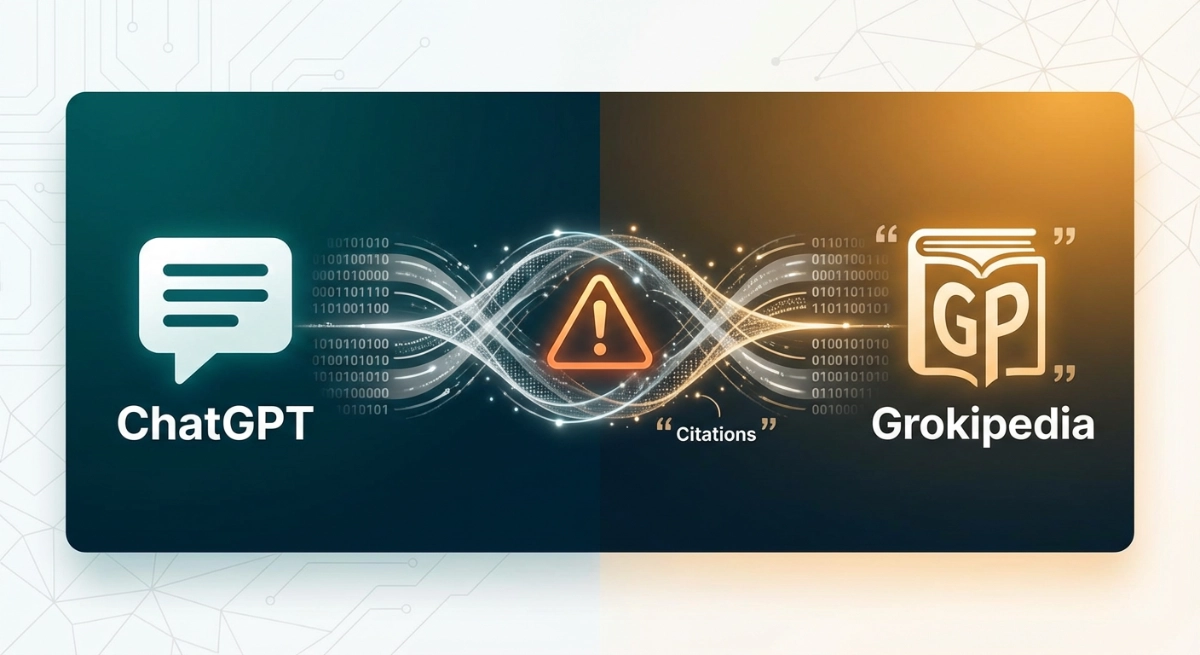
ChatGPT’s latest model is making headlines for an unexpected reason: it’s now citing information from Grokipedia, an AI-generated encyclopedia developed by Elon Musk’s xAI company. This development has sparked serious conversations among researchers and educators about how AI tools verify their sources and what that means for students and everyday users seeking reliable information.
What’s Happening with ChatGPT and Grokipedia?
According to an investigation published by The Guardian on January 24, 2026, OpenAI’s GPT-5.2 model—the newest version powering ChatGPT—cited Grokipedia nine times when responding to more than a dozen test questions. What’s concerning is that these citations appeared primarily for obscure or sensitive topics, including Iran’s political structures and historical figures involved in controversial cases.
This isn’t just a technical curiosity. When you’re using ChatGPT for research or homework, you expect the information to come from trustworthy sources. But Grokipedia operates differently from Wikipedia—it’s entirely AI-generated without human editors reviewing the content. That means there’s no verification process like you’d find in traditional encyclopedias or academic sources.
Why This Change Matters for Students and Learners
As someone who relies on AI tools for studying, this development caught my attention immediately. Here’s why you should care:
When ChatGPT references Grokipedia, it’s essentially one AI citing another AI’s work. Think of it like turning in a paper where all your sources are from your classmate’s notes rather than original research. The information might be accurate, but there’s no independent verification.
According to reporting by Engadget on January 24, 2026, Grokipedia launched in October 2025 and has already generated over 6 million articles—representing more than 80% of English Wikipedia’s content. That rapid growth is impressive, but researchers have raised concerns about accuracy and potential bias in AI-generated encyclopedias.
What OpenAI and Other Companies Are Saying
OpenAI responded to The Guardian’s findings with a statement explaining that ChatGPT “aims to draw from a broad range of publicly available sources and viewpoints.” The company emphasized that safety filters work to reduce harmful or misleading content and that ChatGPT clearly shows which sources informed each response through citations.
However, The Guardian’s testing revealed something intriguing: ChatGPT didn’t cite Grokipedia for well-documented controversial topics like January 6 or HIV/AIDS misinformation. Instead, it appeared primarily for lesser-known subjects where verification is harder. This selective pattern raises questions about how AI systems evaluate source credibility.
Meanwhile, Teslarati reported on January 26, 2026, that xAI responded to the controversy with just three words: “Legacy media lies.” That response doesn’t address the underlying concerns about source reliability.
It’s Not Just ChatGPT
The issue extends beyond OpenAI’s platform. According to multiple reports from News9live and Photonews published on January 25-26, 2026, Anthropic’s Claude has also cited Grokipedia in some responses. This suggests a broader industry trend where large language models increasingly cross-reference each other’s AI-generated content.
What You Should Do as a Responsible AI User
Understanding this situation helps you become a smarter, more critical consumer of AI-generated information. Here’s my advice:
Always verify important information. When ChatGPT or any AI tool provides facts for academic work, double-check with authoritative sources like peer-reviewed journals, government databases, or established news organizations.
Pay attention to citations. ChatGPT now shows which sources informed its responses. Look at those citations carefully. If you see Grokipedia or other AI-generated sources for critical information, seek additional verification.
Understand AI limitations. These tools are incredibly helpful for learning and research, but they’re not infallible. Think of them as helpful study partners, not replacement teachers.
Looking Forward
This situation highlights an important moment in AI development. As these tools become more integrated into education and daily life, we need to stay informed about how they work and where they get information.
The good news? You’re already taking the right step by reading this article and learning about these developments. Being an informed user means you can harness AI’s benefits while staying aware of its limitations.
Remember: AI tools like ChatGPT are amazing resources, but critical thinking remains your most valuable skill. Use these tools wisely, verify important information, and never stop asking questions about the sources behind the answers you receive.
Source: The Guardian—Published on January 24, 2026
Original article: https://www.theguardian.com/technology/2026/jan/24/latest-chatgpt-model-uses-elon-musks-grokipedia-as-source-tests-reveal
About the Author
Rihab Ahmed is a productivity coach and technology writer who helps readers understand how AI and emerging technologies impact business and finance. With a focus on practical insights and real-world applications, James breaks down complex tech developments into actionable information for everyday professionals.