
AI in Personal Finance Management: Your Guide to Smarter Money
AI in Personal Finance Management isn’t just a buzzword—it’s genuinely changing how regular people like us handle money. I remember when managing finances meant drowning in spreadsheets and guessing which bills to prioritize. Today, intelligent algorithms operate in the background, scrutinizing our spending patterns, forecasting future expenses, and recommending tailored strategies that are truly logical.
Imagine AI as your unwavering financial ally, continuously monitoring your accounts and learning from millions of financial decisions to assist you in making wiser decisions. Whether you’re trying to save for a vacation, pay off student loans, or simply understand where your paycheck disappears each month, AI-powered tools can transform overwhelming financial tasks into manageable, even enjoyable, activities.
This guide walks you through everything you need to know about using AI for your personal finances. We’ll explore practical applications, address common concerns, and show you exactly how to get started—no technical expertise required.
Why AI Matters for Your Money
Traditional financial management requires constant vigilance, mathematical precision, and frankly, more patience than most of us have after a long workday. AI in Personal Finance Management automates the tedious parts while providing insights that would take hours to calculate manually.
The technology examines your financial behavior, compares it against millions of data points, and identifies opportunities you’d likely miss. It’s like having a financial advisor who knows your spending habits better than you do, works 24/7, and costs significantly less than traditional advisory services.
AI-Powered Budgeting: How Algorithms Can Maximize Your Savings
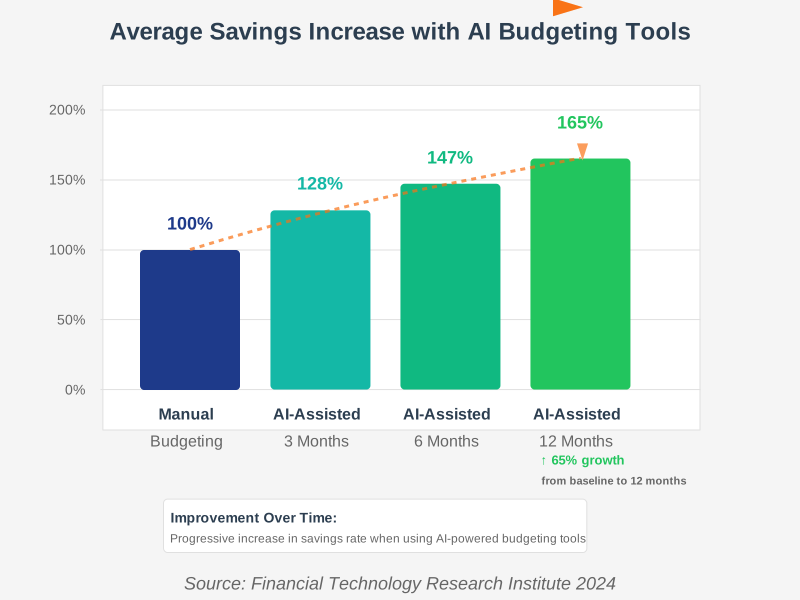
Creating a budget sounds simple until you actually try it. AI-Powered Budgeting tools transform this challenge into something surprisingly manageable. These applications automatically categorize your transactions, recognize recurring expenses, and even predict upcoming bills before they arrive.
Apps like Mint, YNAB (You Need A Budget), and PocketGuard use machine learning to understand your spending patterns. After connecting your bank accounts, they analyze every transaction, categorizing purchases into groceries, entertainment, transportation, and other relevant groups. The AI learns from your corrections—when you reclassify that coffee shop purchase from “dining” to “caffeine addiction,” it remembers for next time.
What makes this particularly powerful is the predictive capability. The system notices that you typically spend more on weekends, that your utility bills spike during the summer, or that you tend to overspend right after payday. Armed with these insights, it sends timely alerts: “You’ve spent 80% of your dining budget with 10 days left in the month.”
AI in Investment: Using Machine Learning for Smarter Portfolio Management
Investing was once perceived as a niche for individuals with diverse language skills. AI in Investment democratizes access to sophisticated strategies once reserved for wealthy clients with expensive advisors.
Machine learning algorithms analyze thousands of variables simultaneously—market trends, economic indicators, company performance metrics, even social media sentiment—to identify investment opportunities. Platforms like Betterment, Wealthfront, and M1 Finance adjust your portfolio automatically based on your risk tolerance and financial goals.
The beauty lies in continuous optimization. Traditional investors might rebalance quarterly; AI systems monitor your investments constantly, making micro-adjustments to maintain your desired asset allocation. When market conditions shift, the system responds immediately, not when you finally check your account next month.
AI Credit Scoring: How Algorithms are Reshaping Loan Approvals
AI Credit Scoring examines far more than your payment history. Traditional credit scores miss important context—maybe you paid bills late because you were hospitalized, or perhaps you’re financially responsible but have limited credit history.
Modern AI systems analyze alternative data: rent payments, utility bills, employment stability, and even education level. This holistic approach helps lenders make fairer decisions while providing you with access to better rates. Companies like Upstart and ZestFinance use these advanced models, helping people with “thin” credit files access loans they’d otherwise be denied.
AI Fraud Detection in Personal Finance: Protecting Your Assets with Smart Technology
AI Fraud Detection in Personal Finance works silently in the background, scrutinizing every transaction for suspicious patterns. The system learns your normal behavior—where you shop, typical transaction amounts, and usual times of activity.
When something unusual happens, like a purchase from a different country or an unusually large transaction, the AI flags it instantly. Many banks now text or email you within seconds, asking to verify suspicious activity before processing the transaction. This real-time protection has dramatically reduced fraud losses and the headaches that come with identity theft.
AI-Driven Financial Planning: Personalized Roadmaps to Achieve Your Goals
AI-Driven Financial Planning creates customized strategies based on your unique situation. Tell the system you want to buy a house in five years, pay off student loans, and start a family, and it builds a comprehensive plan balancing all these objectives.
Tools like Personal Capital and Empower (formerly Personal Capital) analyze your current finances, project future scenarios, and suggest specific actions. The AI considers factors like expected salary increases, inflation rates, market returns, and tax implications to chart realistic paths toward your goals. As your life changes, the plan adapts automatically.
AI Chatbots for Financial Advice: Accessible and Affordable Guidance
AI Chatbots for Financial Advice provide instant answers without intimidation or judgment. These conversational interfaces, available through apps like Erica (Bank of America), Eno (Capital One), and Cleo, answer questions about your balance, recent transactions, spending patterns, and basic financial strategies.
The best part? They’re available at 3 AM when you’re worrying about bills, don’t judge when you ask the same question repeatedly, and explain concepts in plain English. While they can’t replace comprehensive financial advisors for complex situations, they handle routine queries efficiently and help you make informed daily decisions.
The Ethics of AI in Personal Finance: Addressing Bias and Ensuring Fairness
The Ethics of AI in Personal Finance demands serious attention. Algorithms trained on historical data can perpetuate existing biases—denying loans to qualified applicants from certain zip codes or offering women lower credit limits than men with identical qualifications.
Responsible AI companies actively audit their systems for bias, use diverse training data, and maintain human oversight for significant decisions. As consumers, we should ask financial institutions how they ensure fairness, what data their AI systems use, and whether humans review important decisions. Transparency isn’t just nice to have; it’s essential for building trust in these systems.
AI and Robo-Advisors: A Comprehensive Comparison for Personal Investing
AI and Robo-Advisors represent the practical application of artificial intelligence in investment management. While all robo-advisors use AI, they differ significantly in sophistication and features.
Basic robo-advisors like Acorns round up purchases and invest spare change using simple algorithms. Mid-tier services like Betterment and Wealthfront offer automated portfolio management with tax-loss harvesting. Premium platforms like Personal Capital blend robo-advisory services with access to human advisors for complex questions.
Consider your needs: beginners might prefer straightforward interfaces with educational resources, while experienced investors might want sophisticated strategies and customization options. Most importantly, compare fees—even small percentage differences compound significantly over decades.
The Future of AI in Banking: How AI Will Transform Personal Finance Services
The Future of AI in Banking promises increasingly personalized, proactive financial services. Imagine your bank noticing you’re paying too much for insurance and automatically shopping for better rates, or your investment app predicting you’ll need extra cash next month and adjusting your savings plan accordingly.
We’re moving toward predictive banking, where AI anticipates needs before you realize them. Voice-activated assistants will manage routine transactions, blockchain integration will enable instant international transfers, and advanced security will make fraud nearly impossible. The technology already exists; widespread adoption is just beginning.
AI-Powered Debt Management: Strategies to Get Out of Debt Faster
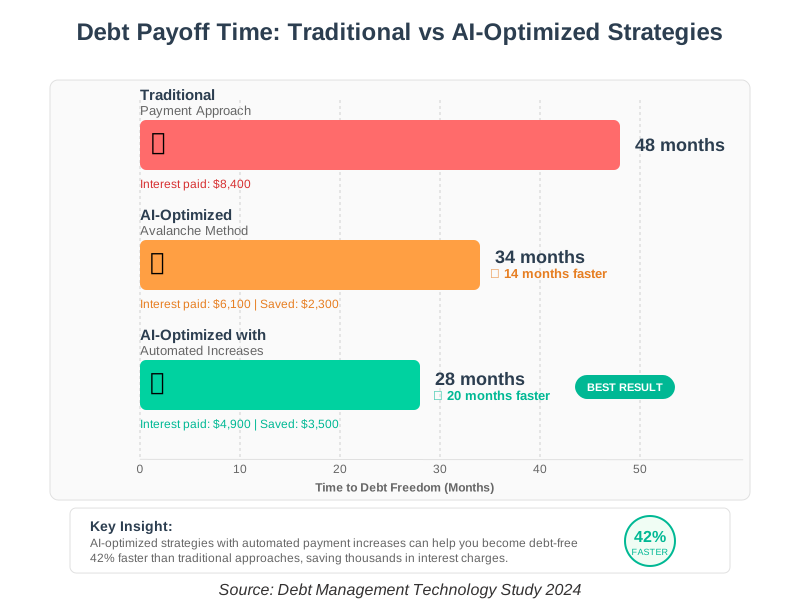
AI-Powered Debt Management creates optimized repayment strategies that save thousands in interest. Apps like Tally and Debt Payoff Planner analyze all your debts—credit cards, student loans, car payments—and recommend the most efficient payoff sequence.
The AI considers interest rates, minimum payments, and your available funds to suggest whether the avalanche method (highest interest first) or snowball method (smallest balance first) works better for your psychology and finances. Some services even automate payments, ensuring you never miss due dates while maximizing progress toward becoming debt-free.
AI for Tax Optimization: Maximizing Your Returns with Smart Algorithms
AI for Tax Optimization identifies deductions and strategies you’d likely overlook. Services like TurboTax and H&R Block now incorporate AI that asks relevant questions based on your situation, suggests deductions tied to your profession, and flags potential errors before submission.
Advanced platforms analyze your investment accounts for tax-loss harvesting opportunities—selling losing positions to offset gains and reduce tax liability. For business owners and freelancers, AI expense tracking automatically categorizes purchases as deductible or personal, maintaining records that survive audits.
AI in Insurance: Personalized Policies and Claims Processing
AI in Insurance tailors coverage to your actual risk profile rather than broad demographic categories. Usage-based auto insurance monitors your driving habits through smartphone apps, rewarding safe drivers with lower premiums. Health insurance AI analyzes your lifestyle data to suggest preventive care and wellness programs.
Claims processing has transformed dramatically. Upload photos of car damage, and AI estimates repair costs instantly. Submit medical bills through an app, and intelligent systems verify coverage and process payments within hours instead of weeks. This speed reduces frustration and improves cash flow when you need it most.
AI-Driven Financial Education: Making Learning About Money Easier
AI-Driven Financial Education adapts to your knowledge level and learning style. Platforms like Khan Academy and Coursera use AI to identify knowledge gaps, recommend relevant lessons, and adjust difficulty based on your progress.
Interactive tools simulate financial scenarios—what happens if you increase 401k contributions, how compound interest affects savings, or the long-term impact of different mortgage terms. Learning by experimentation, without risking real money, builds confidence and understanding far more effectively than reading textbooks.
AI and Cryptocurrency: Managing Digital Assets with Intelligence
AI and cryptocurrency bring order to the chaotic cryptomarket. Portfolio trackers like CoinTracker and Koinly automatically import transactions from multiple exchanges, calculate gains and losses, and generate tax reports for this notoriously complicated asset class.
Trading bots execute strategies based on technical indicators and market analysis, though beginners should approach automated crypto trading cautiously. More practical AI applications include price alerts, market sentiment analysis, and educational content personalized to your crypto knowledge level.
The Risks of Relying on AI in Personal Finance: Understanding the Limitations
It’s important to have frank conversations about the dangers of using AI in personal finance. AI systems are powerful but imperfect. They can’t understand context the way humans do—an algorithm doesn’t know you’re saving for cancer treatment, not a luxury vacation.
Over-automation creates vulnerability to technical failures or security breaches. Market crashes expose limitations in AI models trained primarily on bull market data. Privacy concerns arise when sharing sensitive financial information with third-party apps. Always maintain human oversight of important decisions, keep emergency funds in easily accessible accounts, and understand that historical performance doesn’t guarantee future results.
AI-Enhanced Financial Reporting: Understanding Your Finances Better
AI-Enhanced Financial Reporting transforms raw data into meaningful insights. Instead of staring at spreadsheets, you get visual dashboards showing spending trends, net worth trajectories, and progress toward goals.
The AI highlights anomalies—unexpected subscription renewals, unusual spending categories, and accounts you forgot about. Natural language summaries explain complex financial situations in plain English: “Your net worth increased 5% this quarter primarily due to investment gains and reduced dining expenses.”
AI for Real Estate Investing: Using Data to Find Profitable Properties
AI for Real Estate Investing analyzes thousands of property listings, neighborhood trends, rental rates, and appreciation potential to identify promising investments. Platforms like Roofstock and Zillow use predictive analytics to estimate future property values and rental income.
The technology evaluates factors humans might miss—upcoming development projects, school rating trends, crime statistics, even social media sentiment about neighborhoods. This comprehensive analysis helps both novice and experienced investors make data-driven decisions in complex real estate markets.
AI and Retirement Planning: Projecting Your Future Financial Security
AI and Retirement Planning create detailed projections considering dozens of variables: current savings, expected returns, inflation rates, Social Security benefits, healthcare costs, and life expectancy. Tools like Fidelity’s retirement calculator and Vanguard’s planning tools run thousands of scenarios to show the probability of success.
The AI suggests specific actions: increase 401k contributions by 2%, delay retirement by 18 months, or adjust asset allocation to reduce volatility. As retirement approaches, the system shifts strategies automatically, helping ensure your nest egg lasts throughout retirement.
AI in Estate Planning: Automating and Optimizing Your Legacy
AI in Estate Planning streamlines document creation and beneficiary optimization. Services like Trust & Will and Willful guide you through creating wills, trusts, and healthcare directives using intelligent questionnaires that adapt based on your answers.
Advanced systems suggest tax-efficient wealth transfer strategies, compare trust structures, and help coordinate beneficiary designations across multiple accounts. While complex estates still benefit from attorney involvement, AI makes basic estate planning accessible and affordable for everyone.
AI-Driven Personal Loan Recommendations: Finding the Best Rates and Terms
AI-Driven Personal Loan Recommendations compare offers from multiple lenders simultaneously without affecting your credit score. Platforms like LendingTree and Credible analyze your financial profile and match you with appropriate lenders.
The AI evaluates not just interest rates but also total cost, including fees, prepayment penalties, and repayment flexibility. Some services simulate different loan scenarios, showing how monthly payments and total interest change with various term lengths and amounts.
AI for College Savings: Planning and Maximizing Education Funds
AI for College Savings projects education costs based on current trends and helps optimize 529 plan contributions. Tools factor in expected tuition inflation, potential financial aid, and investment returns to determine required monthly savings.
The systems adjust recommendations as your child ages, gradually shifting from aggressive growth investments to conservative options protecting against market volatility right before college starts. Some platforms even compare different education funding strategies—529 plans versus Roth IRAs versus taxable accounts—showing tax implications and flexibility tradeoffs.
AI and Financial Goal Setting: Achieving Your Dreams with Smart Technology
AI and Financial Goal Setting transforms vague wishes into concrete action plans. Tell the system you want to travel more, and it calculates required savings, suggests budget adjustments, and tracks progress with visual indicators.
The technology prioritizes multiple goals simultaneously—balancing short-term wants with long-term needs. When unexpected expenses arise, the AI recommends which goals to temporarily reduce and by how much, helping you stay on track overall despite life’s inevitable surprises.
AI-Powered Bill Negotiation: Lowering Your Bills Automatically
AI-Powered Bill Negotiation services like Trim and Billshark analyze your recurring expenses and negotiate lower rates on your behalf. The AI identifies overcharges, finds competitor pricing, and contacts service providers to request reductions.
Success rates vary, but many users save hundreds annually on cable, internet, phone, and subscription services. The AI handles the tedious negotiation process while you focus on more enjoyable activities. Most services charge only when they successfully reduce your bills, aligning their incentives with yours.
AI for Charitable Giving: Optimizing Donations for Maximum Impact
AI for Charitable Giving helps direct donations where they’ll make the most significant difference. Platforms analyze charity effectiveness, administrative overhead, and outcome data to recommend highly rated organizations aligned with your values.
Tax optimization tools suggest timing donations for maximum deductions—bunching contributions in high-income years or using donor-advised funds. Some AI systems track your giving history and suggest charities you might not have discovered, expanding your positive impact.
AI in Small Business Finance: Managing Cash Flow and Securing Funding
AI in Small Business Finance automates bookkeeping, predicts cash flow crunches, and identifies funding opportunities. Services like QuickBooks Online and FreshBooks use AI to categorize transactions, reconcile accounts, and generate financial reports.
Predictive analytics forecast slow periods, allowing proactive planning. AI-powered lending platforms like Kabbage and OnDeck evaluate creditworthiness using real-time business data rather than just credit scores, helping entrepreneurs access capital traditional banks deny.
AI-Driven Expense Tracking: Automating Your Financial Recordkeeping
AI-Driven Expense Tracking eliminates manual receipt sorting and spreadsheet updates. Apps like Expensify and Concur use image recognition to extract information from receipt photos—merchant name, date, amount, and even itemized purchases.
The AI automatically categorizes expenses, flags duplicates, and ensures compliance with company policies for business users. Personal finance users benefit from effortless tracking that reveals spending patterns and simplifies tax preparation.
AI for Healthcare Cost Management: Navigating Medical Bills and Insurance
AI for Healthcare Cost Management decodes confusing medical bills and identifies overcharges. Services analyze explanations of benefit statements, compare charges against fair market rates, and help negotiate medical debt.
Prescription cost optimizers compare prices across pharmacies and suggest generic alternatives or discount programs. Some AI tools predict annual healthcare expenses based on your health status, helping you choose optimal insurance plans during open enrollment.
AI and Financial Wellness Programs: Improving Employee Financial Health
AI and Financial Wellness Programs help employers support staff financial well-being. Platforms like BrightPlan and LearnLux provide personalized financial coaching, education resources, and planning tools tailored to individual employee situations.
The AI identifies common financial stressors among workforce populations, enabling targeted interventions. Employers benefit from improved employee satisfaction and productivity, while workers gain free or subsidized access to sophisticated financial guidance.
AI-Powered Credit Card Rewards Optimization: Maximizing Your Benefits
AI-Powered Credit Card Rewards Optimization ensures you never leave points on the table. Apps like CardPointers and MaxRewards analyze your spending patterns and recommend which card to use for each purchase to maximize rewards.
The AI tracks category bonuses, spending caps, and promotional offers across multiple cards. Some services even suggest when to apply for new cards based on signup bonuses and your credit profile, helping strategic users earn thousands in rewards annually.
AI for Personal Finance: A Guide to Choosing the Right Tools
AI for Personal Finance encompasses dozens of tools, each excelling at different tasks. Start by identifying your primary needs: budgeting, investing, debt payoff, or comprehensive planning.
Consider these factors when choosing AI financial tools: security measures and data protection, user interface and ease of use, integration with your financial institutions, cost versus features, customer support quality, and whether the company has strong privacy policies. Most reputable services offer free trials—test several options before committing.
Frequently Asked Questions About AI in Personal Finance
Taking Your First Steps Toward AI-Enhanced Financial Management
Starting with AI personal finance tools doesn’t require overhauling your entire financial life overnight. Begin with one area causing the most stress—maybe tracking expenses, managing debt, or starting to invest.
Download a highly rated app in that category, connect one or two accounts to test functionality, and spend a week observing the insights it provides. Most people are surprised by what they discover about their financial habits. These small revelations motivate bigger changes.
As you grow comfortable with one tool, gradually expand to others. The AI systems often work better together—your budgeting app informs investment decisions, which affect retirement projections, which influence current spending choices. This integrated approach creates a comprehensive financial management system tailored specifically to your life.
Remember that technology amplifies good financial habits but cannot create them. AI tools provide data, insights, and automation, but you make the final decisions. Start small, learn continuously, and adjust strategies as your comfort and knowledge grow. Your financial future deserves both intelligent technology and human wisdom working together.
The transformation won’t happen overnight, but consistent use of these AI tools builds momentum. Small optimizations compound over months and years into significant improvements. You’ve got this—take that first step today.
About the Authors
This article was written as a collaboration between Abir Benali and James Carter for howAIdo.com.
Abir Benali (Main Author) is a friendly technology writer who specializes in explaining AI tools to non-technical audiences. With a passion for making complex technology accessible, Abir creates clear, actionable content that empowers everyday people to leverage AI in their daily lives.
James Carter (Co-Author) is a productivity coach who helps individuals use AI to save time and boost efficiency. James brings practical, real-world strategies that transform abstract technology concepts into concrete time-saving solutions anyone can implement immediately.