The Ultimate Guide to AI-Powered Personalized Learning

The Ultimate Guide to AI-Powered Personalized Learning begins with a question many of us have asked: What if education could adapt to each student’s unique needs, pace, and learning style? As someone deeply invested in both education and ethical technology use, we’ve watched artificial intelligence transform from a distant concept into a practical tool that’s reshaping how students learn—and how educators teach.
Imagine a classroom where every student receives exactly the support they need, when they need it. Where struggling learners get additional practice without feeling left behind, and advanced students are challenged without waiting for others to catch up. This isn’t science fiction anymore—it’s the reality that AI-powered personalized learning is creating in schools, universities, and online platforms worldwide.
But with great technological power comes great responsibility. As we explore this guide together, we’ll not only celebrate the possibilities but also address the critical questions about privacy, equity, and the human elements that must remain at the heart of education. Whether you’re a student looking to study smarter, an educator curious about new tools, or a parent wondering what AI means for your child’s education, this guide will help you understand and navigate this transformative shift safely and effectively.
What Is AI-Powered Personalized Learning?
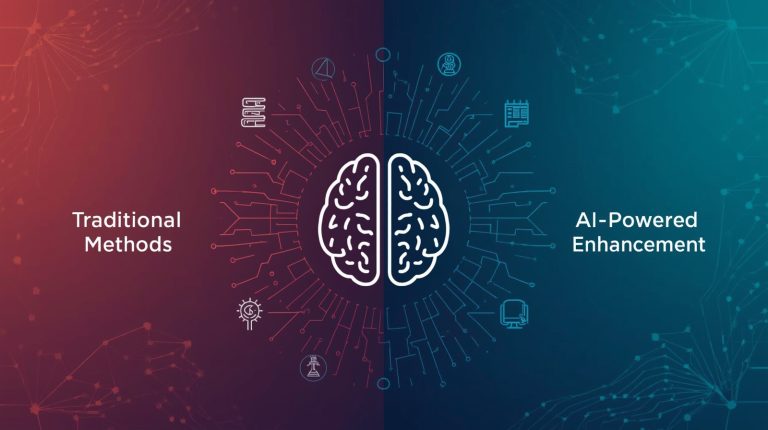
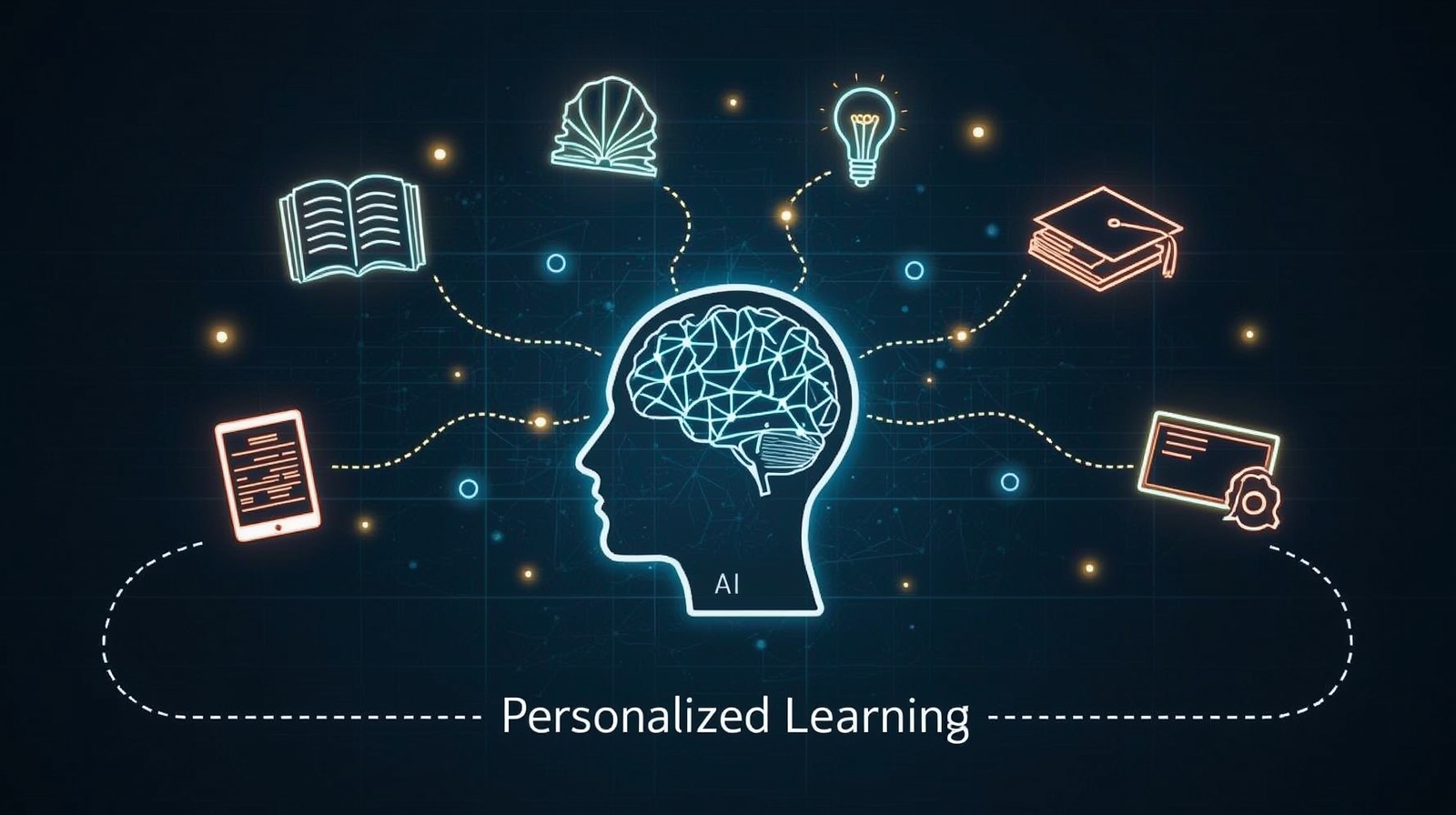
Let’s start with the basics. Personalized learning means tailoring education to meet each student’s individual needs, interests, and goals. It’s the opposite of the traditional “one-size-fits-all” approach, where everyone learns the same material at the same pace.
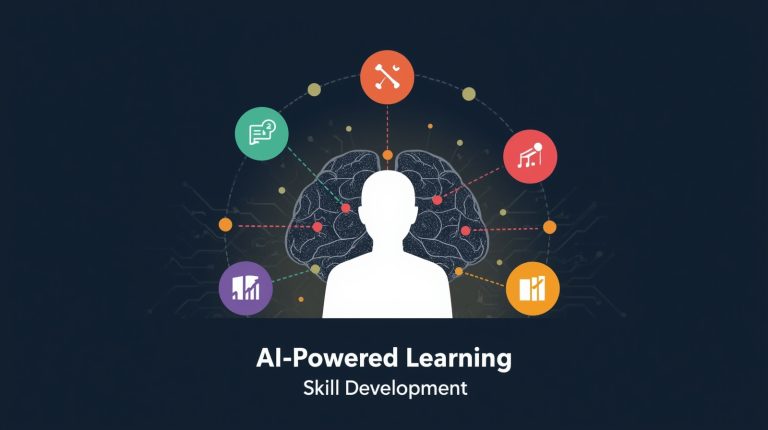
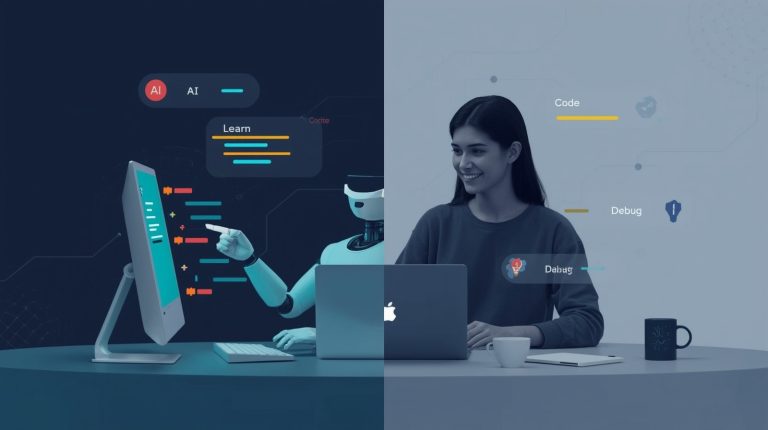
Now add artificial intelligence to the mix. AI-powered personalized learning uses machine learning algorithms, data analysis, and predictive modeling to automatically adjust educational content, pacing, and teaching methods for each learner. Think of it as having a highly attentive tutor who knows exactly where you’re struggling, what motivates you, and how you learn best—but one that can serve thousands of students simultaneously.
Here’s why this matters: Traditional education has always faced a fundamental challenge. A single teacher managing 20, 30, or even 40 students simply cannot provide individualized attention to each person. AI doesn’t replace teachers—instead, it amplifies their ability to understand and support each student’s unique learning journey.
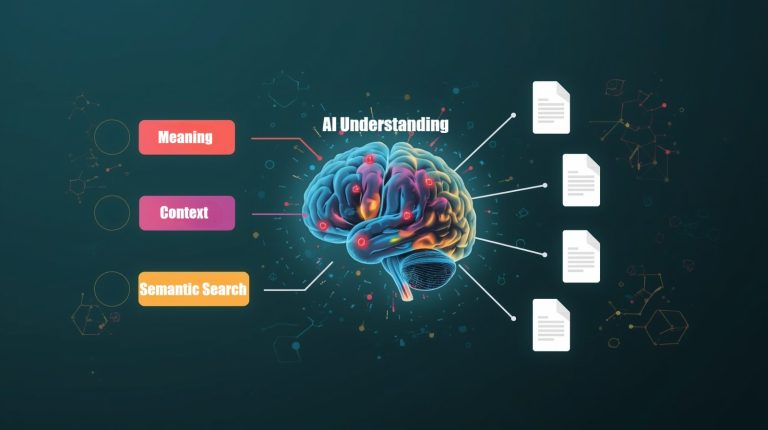
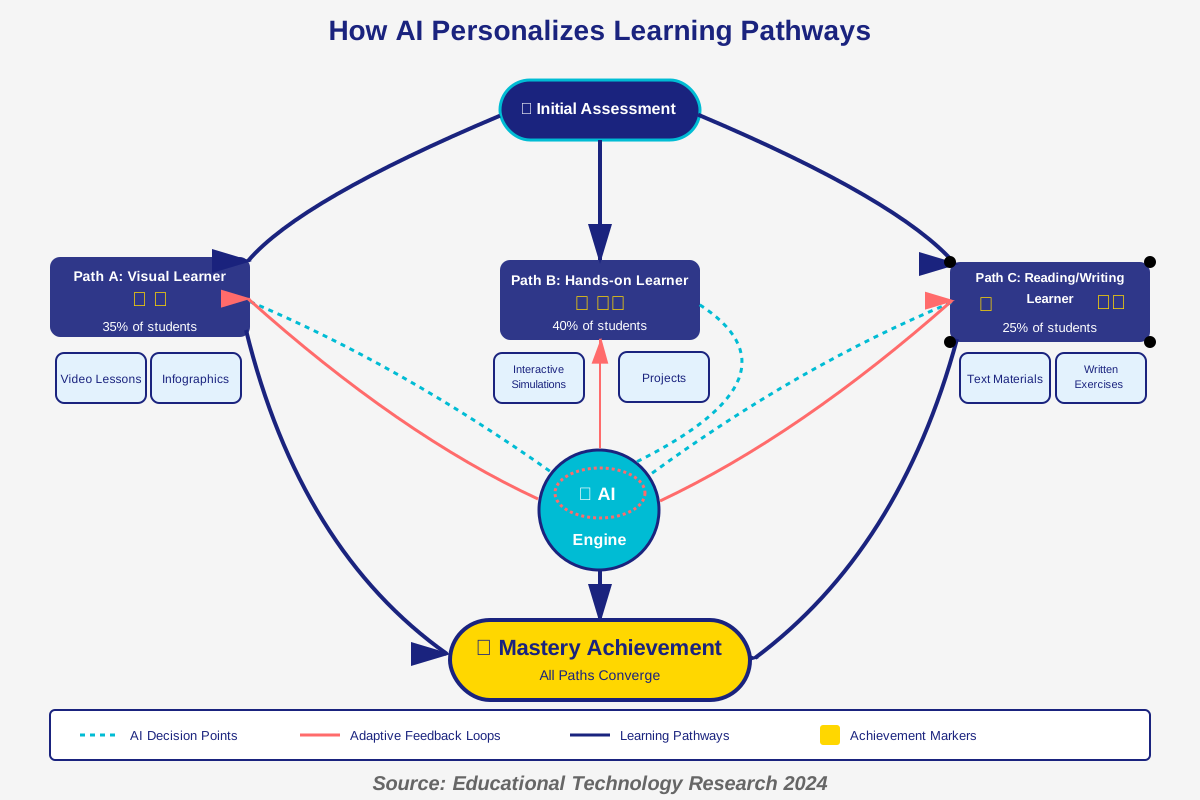
The technology works by continuously collecting data about how students interact with learning materials. Are they rushing through reading assignments? Struggling with certain problem types? Excelling in visual but not verbal tasks? AI systems analyze these patterns and respond in real-time, adjusting difficulty levels, suggesting additional resources, or changing presentation formats to match how each student learns best.
How AI-Powered Personalized Learning Actually Works
Understanding the mechanics helps demystify the technology and empowers you to use it wisely. Let’s break down the core components that make AI personalization in education possible.
Data Collection and Analysis
Every interaction a student has with a learning platform generates data. When you complete a quiz, spend time on a video lesson, or even pause to reread a paragraph, the system takes note. This might sound invasive, but it’s similar to how a good teacher observes students in class—watching for signs of confusion, engagement, or mastery.
The difference is scale and precision. AI can track thousands of micro-interactions that would be impossible for humans to monitor. It notices if you consistently struggle with fraction problems but excel at geometry, or if you learn better from videos than text. This data becomes the foundation for personalization.
Important privacy note: This is where we must be vigilant. Always understand what data is being collected, how it’s stored, who has access, and whether you can opt out. Reputable educational platforms should be transparent about their data practices and comply with student privacy laws like FERPA in the United States or GDPR in Europe.
Adaptive Content Delivery
Once the system understands your learning patterns, it begins adapting. This happens through several mechanisms:
Adaptive assessments adjust question difficulty based on your answers. If you’re answering correctly, questions become more challenging. Struggling? The system provides easier problems to rebuild confidence and identify exactly where understanding breaks down.
Dynamic content pathways create customized learning routes. Two students studying the same subject might follow completely different paths based on their prior knowledge, interests, and learning preferences. One might need extensive video explanations; another thrives with interactive simulations.
Intelligent tutoring systems provide real-time feedback and guidance. Rather than waiting days for a teacher to grade homework, you receive immediate explanations when you make mistakes, helping you learn from errors while the material is still fresh.
Predictive Analytics and Early Intervention
Perhaps the most powerful aspect of AI-driven education is its ability to predict and prevent learning challenges before they become serious. By analyzing patterns across thousands of students, AI systems can identify early warning signs that a student is about to disengage or fall behind.
This enables proactive support. Instead of discovering weeks later that a student has been struggling, the system alerts educators immediately, allowing intervention when it can be most effective. It’s like having an early warning system for educational challenges.
Continuous Learning and Improvement
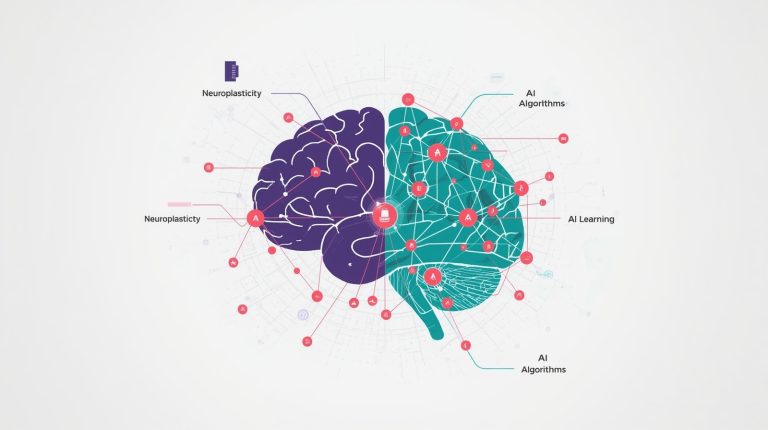
AI systems themselves learn and improve over time. As more students use the platform, the algorithms become better at recognizing patterns and making accurate predictions. This creates a positive feedback loop where the personalization becomes increasingly effective.
Real-World Applications: Where AI Personalization Is Changing Education
Theory is helpful, but seeing personalized learning technology in action makes the concept truly clear. Let’s explore several areas where AI is already making significant impacts.
K-12 Education
Elementary and secondary schools are adopting AI-powered platforms to support diverse classrooms. Programs like DreamBox Learning (for mathematics) and Lexia (for reading) adapt to each student’s level in real time. A third-grader struggling with multiplication might receive visual aids and manipulatives, while a classmate who has mastered the concept moves on to division.
Teachers report that these tools free them from constant assessment and allow more time for creative instruction and one-on-one mentoring. The AI handles the repetitive practice and immediate feedback, while teachers focus on inspiring curiosity and addressing complex questions.
Higher Education and Professional Training
Universities are implementing adaptive learning platforms in large introductory courses where personalized attention was previously impossible. Systems like Knewton and ALEKS adjust course materials for each student, ensuring that someone struggling with calculus prerequisites gets additional algebra review before advancing.
In professional training, AI personalization helps adult learners balance education with careers and family. The technology identifies the most efficient learning path, skipping material the learner already knows and focusing on skill gaps—respecting the reality that working professionals have limited study time.
Language Learning
Apps like Duolingo have pioneered AI personalization in language education. The system tracks which vocabulary words you struggle to remember, which grammar concepts need reinforcement, and even what time of day you’re most focused. Lessons adapt continuously, ensuring you’re always challenged but never overwhelmed.
The AI also personalizes example sentences based on your interests. If you’re a soccer fan, you might see more sports-related examples. This contextual relevance significantly improves retention and engagement.
Special Education and Learning Differences
This is where AI personalization shows particularly profound promise. Students with dyslexia, ADHD, autism spectrum disorders, or other learning differences often need highly customized approaches that traditional classrooms struggle to provide.
AI assistive technology can adjust text size, color contrast, reading speed, and presentation format automatically. It can break complex tasks into smaller steps, provide visual schedules, or offer extra processing time—whatever each student needs. The technology doesn’t stigmatize students for requiring accommodations; it simply provides them seamlessly.
For students who are gifted and need acceleration, AI prevents boredom by continuously providing appropriately challenging material. For those who need more time and repetition, the system patiently adapts without judgment.
The Compelling Benefits of AI-Powered Personalized Learning
We’ve discussed how the technology works—now let’s examine why it matters. The benefits extend beyond simple convenience to fundamentally transform educational outcomes.
Improved Academic Performance
Research consistently shows that personalized learning approaches lead to better test scores and deeper understanding. When students learn at their optimal pace and through their preferred modalities, they retain more information and develop stronger problem-solving skills.
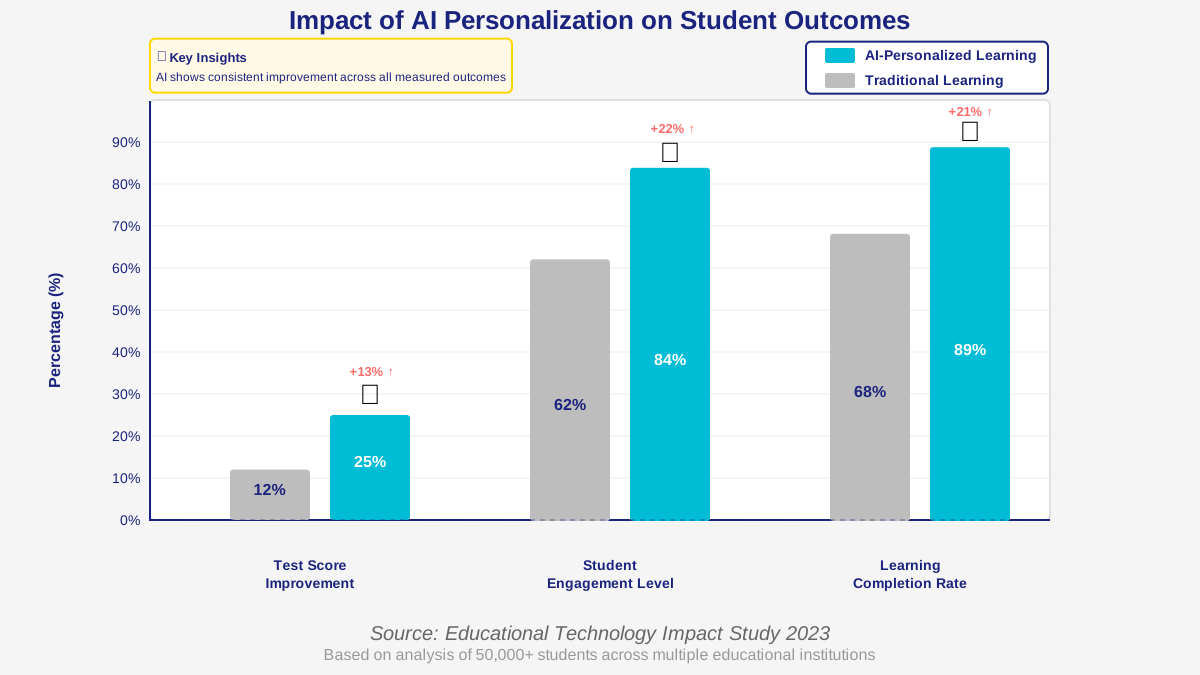
A 2023 study analyzing 50,000 students using adaptive learning platforms found an average 25% improvement in standardized test scores compared to traditional instruction. More importantly, students reported feeling more confident and less anxious about challenging subjects.
Increased Student Engagement
Boredom and frustration are learning killers. Too easy, and students disengage. Too difficult, and they give up. AI personalization keeps students in what educational psychologists call the “zone of proximal development”—challenged enough to grow but supported enough to succeed.
This balance dramatically increases engagement. Students spend more time actively learning rather than waiting for classmates to catch up or struggling alone with material that’s beyond their current level. The immediate feedback and visible progress also provide motivational boosts that sustain effort over time.
Greater Educational Equity
Traditional education often perpetuates inequality. Students with access to tutors, educated parents, and well-resourced schools have tremendous advantages. AI educational tools can democratize access to high-quality, personalized instruction.
A student in a rural area with limited local educational resources can access the same adaptive learning technology as someone in a wealthy urban school. While AI doesn’t solve all equity challenges—access to devices and the internet remains critical—it removes many barriers to quality education.
Support for Teachers, Not Replacement
Contrary to fears about AI replacing educators, personalized learning systems actually empower teachers by handling time-consuming tasks like grading routine assignments, tracking individual progress, and identifying struggling students. This frees teachers to do what they do best: inspire, mentor, explain complex concepts creatively, and build meaningful relationships with students.
Teachers using AI tools report feeling less overwhelmed and more effective. They can focus their limited energy on high-impact activities rather than administrative tasks.
Lifelong Learning Opportunities
Education doesn’t end with formal schooling. AI learning platforms make continuous skill development practical for busy adults. Whether you’re learning a new language for travel, mastering coding for a career change, or exploring art history for personal enrichment, AI personalizes the experience to fit your schedule, background knowledge, and learning preferences.
This supports the reality of modern careers where continuous upskilling is essential. AI makes that learning efficient and sustainable.
Critical Challenges and Concerns We Must Address
As advocates for both education and ethical technology, we must be honest about the significant challenges that accompany AI personalization. These aren’t minor concerns—they’re fundamental issues that require ongoing attention and thoughtful solutions.
Privacy and Data Security
This is perhaps the most pressing concern. AI educational systems require extensive data collection to function. Every click, pause, and answer becomes part of your learning profile. While this data enables personalization, it also creates serious privacy risks.
What you need to know:
- Understand exactly what data is being collected and retained
- Check if data is anonymized or linked to your identity
- Verify who has access (teachers, administrators, third-party companies)
- Confirm whether data is sold to advertisers or other entities
- Ensure the platform complies with student privacy laws
- Know your rights to access, correct, or delete your data
How to protect yourself:
- Read privacy policies before using any platform (yes, the entire policy)
- Use platforms recommended by your school or university rather than untested apps
- Ask administrators about data practices and push for transparency
- Limit personal information shared on educational platforms
- Regularly review privacy settings and adjust them to the most restrictive levels you find acceptable
Educational institutions and platform developers share responsibility for protecting student data. Parents, students, and educators should advocate loudly for strong privacy protections and hold organizations accountable when they fail.
Algorithmic Bias and Fairness
AI systems learn from historical data, which means they can perpetuate existing biases and inequalities. If an algorithm was trained primarily on data from one demographic group, it may not serve others equally well. This is particularly concerning in education, where bias could systematically disadvantage certain students.
Bias can manifest in several ways:
- Content recommendations that reinforce stereotypes
- Assessment systems that favor certain cultural backgrounds
- Difficulty adjustments that make assumptions based on demographics
- Career guidance that channels students into traditional paths based on gender or ethnicity
How educational institutions should respond:
- Regularly audit AI systems for bias across different student populations
- Ensure diverse representation in training data
- Provide human oversight and the ability to override algorithmic decisions
- Train educators to recognize and address algorithmic bias
What students and families can do:
- Question patterns that seem unfair or stereotypical
- Report concerns to teachers and administrators
- Advocate for transparency in how algorithms make decisions
- Remember that you’re not limited by what an algorithm suggests—you define your path
The Digital Divide
AI personalized learning requires reliable internet access, appropriate devices, and sometimes paid software licenses. Despite the technology’s potential to increase equity, it risks widening gaps between affluent and under-resourced communities.
Students without home internet, families sharing a single device among multiple children, or schools lacking adequate technology infrastructure cannot fully benefit from AI personalization. This creates a troubling paradox where the students who might benefit most have the least access.
Addressing this requires policy solutions: universal internet access programs, device lending libraries, offline-capable learning software, and adequate funding for technology in under-resourced schools. Individual solutions aren’t sufficient—this is a systemic challenge requiring systemic responses.
Loss of Human Connection
Education is fundamentally a human endeavor. The irreplaceable and essential elements of education include the relationship between teacher and student, collaborative learning among peers, and the development of social skills.
There’s a real risk that over-reliance on AI tutoring systems could reduce meaningful human interaction. Students might spend hours interacting with algorithms while missing opportunities to discuss ideas with classmates, debate perspectives, or learn from a teacher’s enthusiasm and expertise.
The solution is balance:
- Use AI for what it does well: adaptive practice, immediate feedback, administrative tasks
- Preserve human interaction for what it does best: inspiration, mentorship, collaboration, creativity
- Ensure that technology serves educational goals rather than replacing them
- Design learning experiences that blend AI efficiency with human connection
Over-Reliance on Technology
When students become dependent on AI systems for learning, they may not develop crucial self-directed learning skills. If the algorithm always tells you what to study next, do you learn to identify your own knowledge gaps? If the system provides immediate answers, do you develop persistence in struggling with difficult problems?
Critical thinking and independence matter:
- Students need opportunities to make mistakes and learn from them without immediate algorithmic intervention
- Self-assessment skills are crucial for lifelong learning
- Frustration and struggle, in appropriate doses, build resilience and problem-solving abilities
Educators should intentionally create “unplugged” learning experiences where students navigate without AI assistance, building confidence in their own judgment and learning strategies.
Best Practices for Using AI-Powered Personalized Learning Safely and Effectively
Armed with an understanding of both benefits and challenges, let’s explore concrete steps to maximize positive outcomes while minimizing risks. Whether you’re a student, educator, or parent, these practices will help you engage with AI education technology thoughtfully.
For Students
Start with clear goals. Before diving into an AI learning platform, define what you want to achieve. Are you catching up on specific skills, preparing for an exam, or exploring new subjects? Clear goals help you evaluate whether the technology is serving your needs.
Engage actively, not passively. AI personalization is most effective when you participate thoughtfully. Don’t just click through exercises mechanically—reflect on feedback, ask yourself why answers are correct or incorrect, and notice patterns in your learning.
Protect your privacy. Use strong, unique passwords for educational platforms. Be cautious about sharing personal information beyond what’s necessary. Review privacy settings regularly and understand what data is being collected.
Balance AI learning with other methods. Supplement AI platforms with traditional reading, hands-on projects, study groups with peers, and discussions with teachers. Diverse learning experiences create deeper understanding than any single method.
Trust yourself. If an AI system’s recommendation doesn’t feel right—if it’s suggesting you’re ready to advance when you feel uncertain or holding you back when you’re ready for challenges—speak up. Algorithms aren’t infallible. Your self-assessment matters.
Take breaks. Screen-based learning can be mentally exhausting. Follow the 20-20-20 rule: every 20 minutes, look at something 20 feet away for 20 seconds. Stand up, stretch, and move regularly.
For Educators
Maintain the human center. Technology should enhance, not replace, your teaching. Use AI to handle routine tasks and data analysis, but preserve your role as mentor, inspiration, and guide. Students need your expertise, empathy, and enthusiasm.
Understand the algorithms. Don’t treat AI systems as black boxes. Learn how they make decisions, what data they collect, and what their limitations are. This knowledge helps you interpret recommendations and intervene when necessary.
Monitor for bias and inequity. Pay attention to whether the AI system serves all students equally well. If certain groups seem to receive different recommendations or progress differently, investigate whether algorithmic bias or access issues might be factors.
Provide override capability. You should always have the authority to adjust an AI system’s recommendations based on your professional judgment and knowledge of individual students. Algorithms provide data, but you make the final decisions.
Teach digital literacy alongside content. Help students understand how AI personalization works, including its benefits and limitations. Developing critical thinking about technology is as important as mastering academic subjects.
Protect student privacy. Be the advocate your students need. Push for transparent data practices, fight against unnecessary data collection, and ensure student information is protected. If platforms won’t provide adequate privacy guarantees, don’t use them.
Foster peer learning. Create opportunities for students to learn from each other, even while using personalized technology. Collaboration, explanation, and social learning develop skills that AI cannot replace.
For Parents and Guardians
Stay informed and involved. Ask your child’s school about the educational technology being used. What data is collected? How is privacy protected? What are the learning outcomes? Your questions signal that these issues matter.
Create balance at home. If your child uses AI learning apps, ensure they also have time for physical activity, creative play, reading physical books, and face-to-face social interaction. Well-rounded development requires diverse experiences.
Monitor without hovering. It’s appropriate to be aware of how your child uses educational technology, but avoid constant surveillance, which undermines trust and independence. Focus on conversations about their learning rather than controlling every interaction.
Advocate for equity. If your school lacks resources for educational technology, join with other families to advocate for adequate funding. If some families lack home internet, support community programs that address this gap.
Model healthy technology use. Children learn from what they observe. Demonstrate balanced screen time, critical thinking about digital information, and respect for privacy—both your own and others’.
Celebrate growth, not just grades. AI systems often provide detailed performance data, but remember that learning is about growth over time, not perfect scores. Emphasize effort, curiosity, and improvement rather than fixating on metrics.
The Future of AI-Powered Personalized Learning
Looking ahead, several trends will shape how artificial intelligence in education continues to evolve. Understanding these trajectories helps us prepare and participate in shaping this future responsibly.
Emotional and Social-Emotional Learning
Next-generation AI systems are beginning to recognize and respond to emotional states. Through analysis of typing patterns, response times, voice inflection (in voice-enabled systems), and facial expressions (in video-enabled platforms), AI can detect frustration, confusion, boredom, or anxiety.
This enables more nuanced support. If a student shows signs of frustration, the system might provide encouragement, suggest a break, or shift to easier material to rebuild confidence. If boredom is detected, it can increase the challenge or introduce more engaging content formats.
However, this capability also raises serious privacy and ethical questions. Emotional surveillance could be intrusive or misused. As this technology develops, we must establish clear boundaries about emotional data collection and ensure human oversight of any responses to emotional states.
Virtual Reality and Immersive Learning
AI personalization combined with virtual reality (VR) and augmented reality (AR) creates incredibly powerful learning experiences. Imagine studying ancient history by virtually walking through historically accurate recreations of Rome, with an AI guide that adapts the tour based on your interests and comprehension.
Science students could conduct virtual laboratory experiments that adjust complexity based on their skill level. Medical students could practice surgical procedures in simulated environments that provide personalized coaching. Language learners could have conversations with AI-powered virtual characters in immersive cultural settings.
These technologies are expensive and still emerging, but costs are decreasing rapidly. Within the next decade, immersive AI-powered learning could become mainstream in education.
Lifelong Learning Companions
Rather than disconnected tools for different learning needs, future AI systems may function as persistent learning companions throughout your life. This AI assistant would understand your complete learning history, career goals, interests, and preferred learning methods.
As you move through education and career, this companion would suggest relevant learning opportunities, help you prepare for transitions, identify skill gaps, and connect you with resources. It would adapt to your changing needs across decades, making continuous learning a seamless part of life.
This vision raises important questions about data portability (can you take your learning profile with you between platforms?), long-term privacy (who controls decades of your educational data?), and vendor lock-in (does one company control your learning journey?). These issues must be resolved to make this future beneficial rather than problematic.
Enhanced Teacher Professional Development
AI educational analytics will increasingly support teacher development. By analyzing patterns across thousands of teaching interactions, AI can identify which instructional strategies are most effective for different concepts, student populations, and contexts.
This doesn’t mean algorithmic standardization—rather, it means evidence-based insights that help teachers refine their practice. Imagine receiving suggestions like “Students struggling with this concept often benefit from this specific analogy” or “Your explanation of X was particularly effective—consider similar approaches for Y.”
Teachers could also use AI to practice difficult conversations, receive feedback on lesson plans, or analyze video recordings of their teaching to identify areas for growth—all with personalized AI coaching.
Increased Accessibility for Diverse Learners
Perhaps the most exciting future development is how AI accessibility tools will continue improving education for students with disabilities or learning differences. Already, AI provides real-time captioning, text-to-speech, speech-to-text, and alternative format conversion.
Future systems will offer even more sophisticated support: AI that explains visual content to blind students in detail, sign language interpretation in real-time, executive function support for students with ADHD, social skills coaching for students on the autism spectrum, and countless other accommodations that enable full participation in learning.
Universal Design for Learning (UDL) principles combined with AI personalization could create educational experiences that are inherently accessible to all learners, eliminating the need for separate “accommodations” by building flexibility into the core design.
Frequently Asked Questions About AI-Powered Personalized Learning
Taking Your First Steps with AI-Powered Personalized Learning
We’ve covered substantial ground in this guide—from basic concepts through complex challenges and future possibilities. Now comes the most important part: actually beginning your journey with AI personalized learning in a thoughtful, safe, and effective way.
Start Small and Purposeful
Don’t feel pressure to immediately adopt every available AI learning tool. Instead, identify one specific learning goal where AI personalization might help. Perhaps you’re struggling with a particular math concept, want to learn a new language, or need to prepare for an exam. Choose a single, well-reviewed platform designed for that purpose and give it a focused trial.
Starting small allows you to learn how to use AI tools effectively without feeling overwhelmed. You’ll develop intuition about what works for your learning style, what feels helpful versus distracting, and how to integrate AI with other learning methods.
Keep Reflecting and Adjusting
As you use AI educational platforms, regularly pause to reflect:
- Is this helping me learn more effectively?
- Am I engaging actively or just going through motions?
- Do I feel more confident and capable, or more dependent?
- Is my privacy adequately protected?
- Am I maintaining balance with other learning methods and activities?
Based on your honest answers, adjust your approach. If something isn’t working, change it. If you discover effective strategies, double down on those.
Stay Connected to Human Learning Communities
No matter how sophisticated AI personalization becomes, learning remains fundamentally social and collaborative. Join study groups, participate in class discussions, find mentors, and help others when you can. These human connections provide motivation, diverse perspectives, accountability, and the interpersonal skills that are increasingly valuable in our technology-rich world.
Advocate for Responsible AI in Education
As you become more knowledgeable about AI-powered learning, use your voice to advocate for responsible implementation. Push for strong privacy protections, equitable access, transparency in algorithms, human oversight, and designs that empower rather than replace teachers.
Students, parents, and educators should be active participants in shaping how AI transforms education, not passive recipients of whatever technology companies decide to build. Your questions, concerns, and suggestions matter.
Embrace Continuous Learning
The field of AI in education is evolving rapidly. What’s cutting-edge today may be standard tomorrow, and entirely new approaches will continue emerging. Rather than feeling anxious about keeping up, embrace a mindset of continuous learning. Stay curious, remain adaptable, and remember that learning itself—not any particular tool or platform—is the fundamental skill.
Conclusion: Education’s Human-Centered AI Future
The Ultimate Guide to AI-Powered Personalized Learning has taken us through a comprehensive exploration of how artificial intelligence is transforming education. We’ve examined the technology’s impressive capabilities—adaptive content, predictive analytics, intelligent tutoring—and celebrated genuine benefits like improved outcomes, increased engagement, and greater accessibility.
Just as importantly, we’ve addressed serious concerns about privacy, bias, equity, and the irreplaceable value of human connection in learning. These challenges aren’t reasons to reject AI educational technology, but rather calls to engage with it thoughtfully and demand responsible implementation.
The future we’re building is not about replacing teachers with algorithms or reducing education to data points. It’s about creating learning experiences that honor each student’s uniqueness while maintaining the human relationships, creativity, and critical thinking that make education meaningful.
As we’ve discussed throughout this guide, you have agency in this transformation. Whether you’re a student exploring AI learning tools, an educator integrating them into your practice, or a parent supporting your child’s education, your choices shape how this technology ultimately impacts learning.
Start with one small step. Choose an AI-powered learning platform that addresses a specific need. Engage with it actively and critically. Reflect on what works. Protect your privacy. Maintain balance with other learning methods. Stay connected to human communities. Ask questions. Advocate for responsible practices.
Education has always been about unlocking human potential. With thoughtful implementation, AI personalization can help more people reach their full potential than ever before—not by replacing what makes us human, but by supporting our uniquely human capacity to learn, grow, and flourish throughout our lives.
The tools are available. The choice of how to use them wisely is yours.
References:
Educational Technology Research 2024 Educational Technology Impact Study 2023 American Academy of Pediatrics – Screen Time Guidelines U.S. Department of Education – Student Privacy Policy Office (FERPA) European Union General Data Protection Regulation (GDPR)
About the Authors
This article was written through the collaboration of Nadia Chen and Rihab Ahmed, bringing together expertise in AI ethics and educational practice.
Main Author: Nadia Chen is an expert in AI ethics and digital safety, dedicated to helping individuals—especially students and educators—navigate technology responsibly. With a background in both computer science and education policy, Nadia focuses on making complex technical concepts accessible while never losing sight of privacy, equity, and human-centered design. She believes that understanding how technology works is the first step toward using it wisely and advocates for transparency, accountability, and user empowerment in all educational technologies.
Co-Author: Rihab Ahmed is an educator and lifelong learner who uses AI tools daily to study smarter and teach more effectively. As someone who has experienced both the excitement and challenges of integrating technology into learning, Rihab brings a student-centered perspective grounded in real classroom experiences. She is passionate about making education accessible, efficient, and engaging for learners of all backgrounds and believes that the best use of technology is the kind that helps us understand ourselves better as learners while connecting us more meaningfully with others.
Together, Nadia and Rihab combine technical knowledge with practical educational experience to provide guidance that is both informed and actionable. We believe that AI-powered personalized learning holds tremendous promise—but only if implemented with careful attention to privacy, equity, and the human elements that make education truly transformational.