AI-Powered Personalized Learning: Your Custom Path to Success

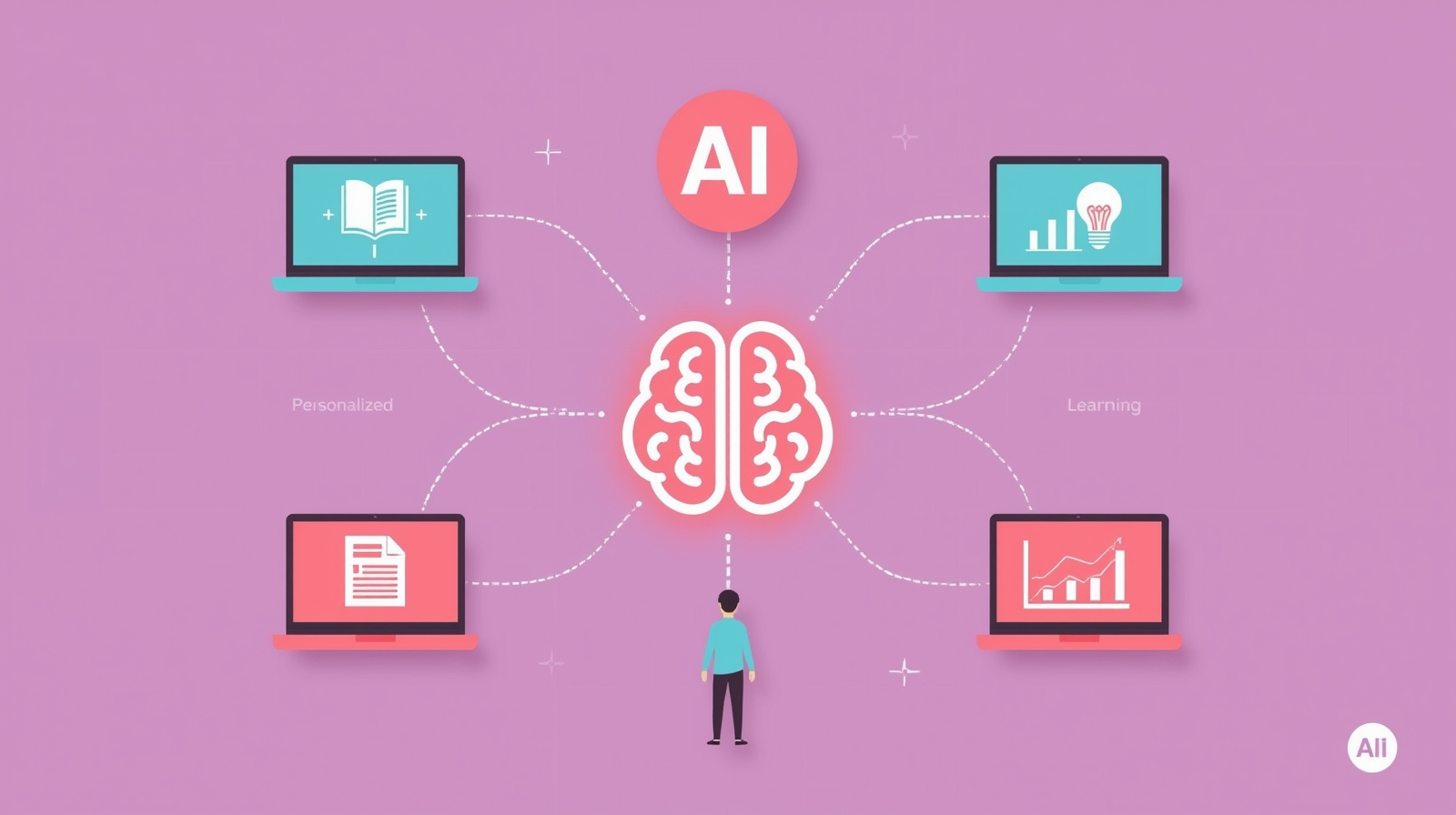
AI-Powered Personalized Learning is transforming education from a one-size-fits-all approach into something much more exciting—a learning experience designed specifically for you. Imagine having a tutor who knows exactly where you struggle, understands how fast you learn, and adjusts every lesson to match your unique style. That’s what AI brings to education today, and you don’t need to be a tech expert to benefit from it.
I’ve watched countless students discover the joy of learning again when education finally meets them where they are. Whether you’re a parent looking for better tools for your child, a professional developing new skills, or someone who’s always felt left behind in traditional classrooms, personalized learning through AI offers a fresh start.
This guide will walk you through exactly how AI creates customized learning experiences, what happens behind the scenes, and most importantly—how you can start using these tools today, even if you’ve never used AI before.
What Makes AI-Powered Personalized Learning Special?
Think about the last time you tried learning something new. Maybe the pace was too fast, or perhaps it was painfully slow. Traditional education assumes everyone learns the same way, but we know that’s not true. Some people need visual explanations, others prefer hands-on practice, and many need more time with certain concepts before moving forward.
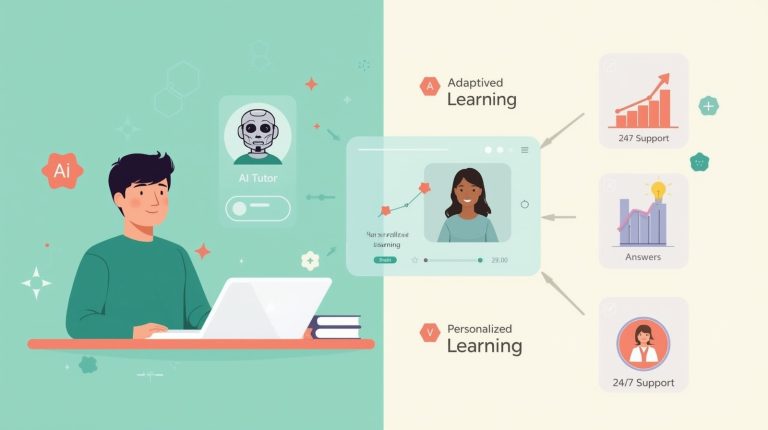
AI-powered education platforms change this dynamic completely. These systems use smart algorithms to watch how you learn—which questions you answer correctly, where you hesitate, how long you spend on each topic, and even what time of day you’re most productive. Then, like a skilled teacher who really knows you, the AI adjusts everything to fit your needs.
The beauty is that this happens automatically in the background. You don’t have to understand how algorithms work or what machine learning means. You simply use the platform, and it gets better at teaching you every single day.
How AI Analyzes Your Learning Patterns
Let me break down what’s actually happening when you use an AI learning platform. This understanding helps you trust the process and use these tools more effectively.
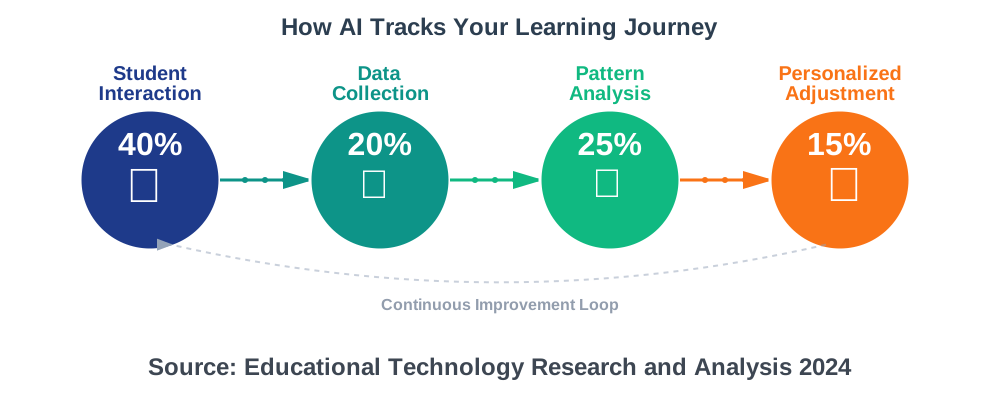
When you start any AI-powered learning program, it begins collecting data points about your educational journey. Before you worry about privacy—most reputable platforms anonymize this data and use it solely to improve your experience. Here’s what they track:
The system notices which problems you solve quickly and which ones make you pause. It tracks whether you revisit certain topics multiple times. It records your accuracy rates across different subjects. Some advanced platforms even analyze how you phrase questions when you’re confused, helping them understand your learning vocabulary.
This continuous observation creates what I call your “learning fingerprint”—a unique pattern that belongs only to you. The AI compares your fingerprint against millions of other learning patterns it has seen, identifying strategies that worked for students with similar challenges.
Step-by-Step: Getting Started with AI Personalized Learning
Now let’s get practical. Here’s exactly how to begin your journey with AI-driven education, even if you’re starting from scratch.
Step 1: Choose Your Learning Platform
Start by identifying what you want to learn. Are you helping a child with math? Learning a new language? Developing professional skills? Different platforms specialize in different areas.
Popular options include Khan Academy for K-12 subjects, Duolingo for languages, Coursera for professional development, and platforms like Century Tech or Knewton for comprehensive school curricula. Don’t feel overwhelmed by choices—most offer free trials, so you can explore risk-free.
Common mistake to avoid: Don’t jump on the most expensive platform first. Many free or affordable options provide excellent AI personalization. Test the interface to see if it feels comfortable before committing.
Step 2: Complete the Initial Assessment
Once you’ve chosen a platform, you’ll typically face an initial assessment. This isn’t a test you can fail—it’s the AI gathering that first snapshot of where you currently stand.
Answer these questions honestly. If you don’t know something, say so. The goal isn’t to impress anyone; it’s to help the AI understand your starting point accurately. Some students try to appear more advanced than they are, which backfires because the AI then provides material that’s too difficult.
Take your time with this assessment. Most platforms allow breaks, so you don’t need to rush through it. The more accurate this initial picture, the better your personalized journey will be.
Step 3: Follow Your Customized Learning Path
After the assessment, the AI creates your first personalized curriculum. You’ll see a dashboard showing your learning path—topics arranged in a sequence designed specifically for you.
Here’s where the magic happens. As you work through lessons, the AI constantly adjusts. If you breeze through algebra concepts, it might accelerate you into more advanced territory. If geometry proves challenging, it slows down, offers additional practice problems, and presents concepts from different angles until you grasp them.
Trust this process even when it feels different from traditional learning. The path might seem unconventional—jumping between topics in ways that surprise you—but the AI has identified connections that will help you understand better.
Step 4: Engage with Adaptive Content
Each lesson you encounter has been selected based on your previous performance. The AI isn’t just throwing random content at you—every video, reading, or exercise serves a specific purpose in your learning journey.
Pay attention to the formats that work best for you. If video explanations click better than text, the AI will notice your engagement patterns and provide more visual content. If you learn better by doing practice problems than watching lectures, the system adapts to include more hands-on exercises.
Real-life example: One of my neighbors used an AI platform to learn coding. She struggled with traditional programming books but excelled with interactive challenges. The AI noticed this within days and restructured her entire learning path around practical coding exercises rather than theoretical lessons. She’s now a professional developer.
Step 5: Review Your Progress Analytics
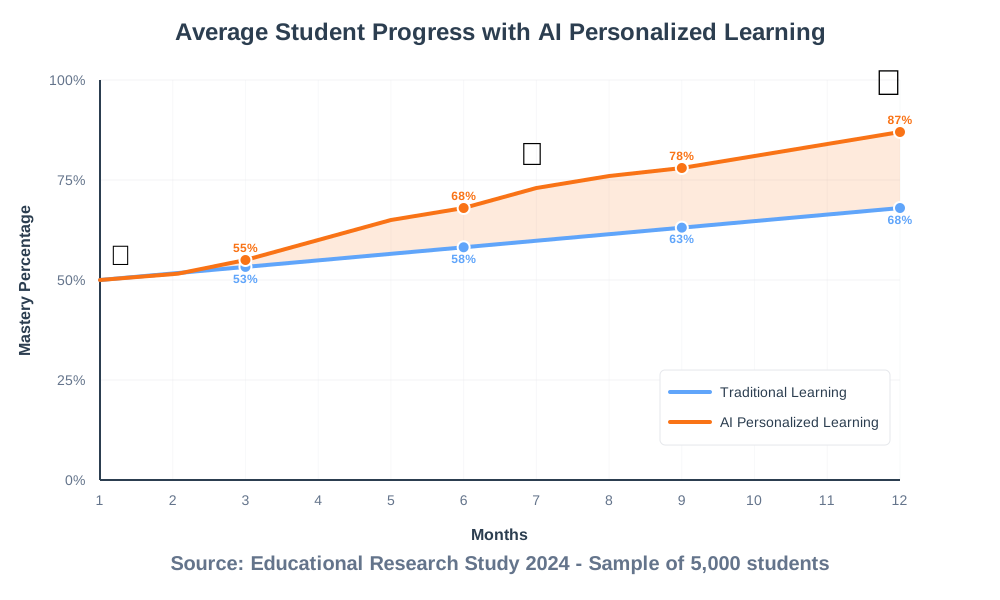
Most AI learning systems provide dashboards showing your progress. Check these regularly—not to stress about performance, but to understand your patterns.
You’ll see which topics you’ve mastered, which need more work, and how your learning pace compares to your past performance (not to others—that comparison isn’t helpful). These insights help you plan study time more effectively.
The analytics also reveal surprising patterns. You might discover you learn math better in the morning but languages better in the evening. Use these insights to schedule your study sessions strategically.
Step 6: Interact with AI Tutoring Support
Many platforms now include AI tutors that answer questions in real-time. These aren’t just chatbots—they understand context from your learning history and provide explanations tailored to your current level.
When you’re stuck, describe your confusion in plain language. You don’t need to use technical terms or perfect grammar. The AI tutor understands questions like “I don’t get why we flip the fraction” just as well as formal mathematical queries.
Tip for better results: Be specific about what confuses you. Instead of “I don’t understand this problem,” try “I understand how to add fractions with the same denominator, but I’m lost when the denominators are different.” The more context you provide, the more targeted help you’ll receive.
Step 7: Utilize Spaced Repetition Features
One powerful feature in AI educational technology is spaced repetition—the system brings back topics at strategic intervals to strengthen your long-term memory.
You might review a concept you learned three weeks ago, then see it again in a different context next month. This isn’t random; the AI calculates the optimal moment when you’re likely to start forgetting, then reinforces the knowledge before that happens.
Don’t skip these review sessions even when they seem easy. They’re building lasting understanding, not just temporary recall for tests.
Step 8: Adjust Your Settings and Preferences
Most people don’t realize you can customize your AI learning experience beyond what the algorithm automatically adjusts. Explore your platform’s settings.
You can often set difficulty preferences, choose content types you prefer, adjust the pace of progression, and even select which topics to prioritize. The AI uses these preferences as guidelines while still maintaining its adaptive approach.
If something isn’t working—maybe the pace feels too rushed or too slow—adjust it. The AI learns from these manual adjustments too, refining its understanding of what works for you.
Step 9: Connect with Community Features
Many platforms include forums or study groups where learners discuss topics. These communities enhance your personalized learning experience by adding social elements that pure AI interaction can’t replicate.
Join discussions about topics you’re studying. Explaining concepts to others reinforces your own understanding, and you’ll discover perspectives that even the best AI might not present.
The AI often monitors these interactions (anonymously) and incorporates successful peer-teaching strategies into its recommendations for you and others.
Step 10: Set Goals and Milestones
Finally, work with your AI platform to establish clear goals. Whether you want to complete a course by a certain date, achieve a specific skill level, or simply study consistently, input these objectives.
The AI restructures your learning path to help you meet these goals realistically. It calculates how much daily or weekly study time you need, warns you if targets are unrealistic, and celebrates milestones along the way.
Common mistake to avoid: Don’t set overly ambitious goals initially. Better to succeed with modest targets and increase difficulty than to set impossible standards and feel discouraged.
Understanding Knowledge Gap Identification
One of the most valuable aspects of AI-powered personalized learning is how it identifies knowledge gaps you might not even realize you have.
Traditional education often builds on assumed foundational knowledge. If you missed a key concept years ago, you might struggle with advanced topics without understanding why. The AI doesn’t make these assumptions.
When you struggle with a current topic, the AI traces backward to find the root cause. Maybe you’re having trouble with physics because you have a small gap in your algebra understanding from two years ago. The AI identifies this connection and addresses the foundational gap before returning to physics.
This diagnostic capability feels almost uncanny. Students often tell me, “It’s like the system knew exactly what I was missing.” That’s not magic—it’s pattern recognition from analyzing how thousands of students with similar confusion patterns filled their own knowledge gaps.
Real-World Success Stories
Let me share some practical examples that show how adaptive learning technology works in real situations.
A high school student I know struggled with chemistry for months. Traditional tutoring helped marginally, but she couldn’t identify why reactions made sense sometimes but not others. Her AI platform discovered she had gaps in understanding proportional reasoning from middle school math. Once the AI filled those gaps with targeted practice, her chemistry comprehension soared.
An adult learner used AI-powered language tools to learn Spanish. The system noticed he excelled at vocabulary but struggled with verb conjugations. Instead of making him repeat standard conjugation drills, the AI incorporated verbs naturally into context-heavy conversations that matched his interest in cooking. He learned conjugations through recipes and cooking instructions—content that kept him engaged while addressing his weak areas.
A parent used an AI reading program with her reluctant reader. The platform identified that the child understood phonics perfectly but lacked confidence. It gradually increased text difficulty so subtly that the child didn’t notice, building confidence through imperceptible incremental successes. Within months, the child who “hated reading” was choosing books voluntarily.
Privacy and Safety Considerations
I want to address something important: your data privacy when using AI learning platforms. Understanding what information is collected and how it’s used helps you make informed decisions.
Reputable platforms encrypt your performance data and use it solely for improving your learning experience. They don’t sell this information to advertisers or share it with third parties beyond what’s legally required for educational reporting.
Check your platform’s privacy policy. Look for clear statements about data usage, student privacy protections (especially for children under 13), and your rights to request data deletion. Quality platforms make this information accessible, not buried in legal jargon.
For parents: Most platforms designed for children comply with regulations like COPPA (Children’s Online Privacy Protection Act), which limits data collection and sharing. Verify this before your child starts using any platform.
Overcoming Common Challenges
Starting with AI-powered learning isn’t always smooth. Here are challenges you might face and how to handle them:
Challenge: The AI moves too slowly or too quickly at first. Solution: Give it time. The system needs data to calibrate properly. After a week or two of consistent use, the pace usually feels more natural. Meanwhile, use manual settings to adjust if needed.
Challenge: You feel less connection compared to human teachers. Solution: Use AI as a supplement, not a replacement. The best approach combines AI’s personalization benefits with human interaction for motivation, context, and emotional support.
Challenge: Technical difficulties or confusing interfaces. Solution: Most platforms offer tutorials and customer support. Don’t struggle alone—reach out for help. Many also have active user communities where experienced learners help newcomers.
Challenge: Worrying that AI learning won’t be recognized or valued. Solution: Many AI platforms provide certificates, credentials, or progress reports that traditional institutions recognize. Check what documentation your platform offers before investing significant time.
The Future of Your Learning Journey
AI-powered personalized learning isn’t just a trendy tool—it represents a fundamental shift in how education can work. Instead of forcing everyone through identical paths, it acknowledges that your brain is unique and deserves a learning experience designed accordingly.
The technology continues improving rapidly. AI systems become more sophisticated at understanding not just what you know, but how you think, what motivates you, and what learning approaches resonate with your personal style.
You don’t need to be an early adopter or tech enthusiast to benefit from these advances. The interfaces are becoming more intuitive, the systems more responsive, and the results more impressive with each passing year.
Whether you’re starting from scratch or enhancing existing knowledge, personalized education technology offers something traditional methods can’t: a learning journey that adapts to you rather than expecting you to adapt to it.
Your Next Steps
Ready to experience AI-powered personalized learning yourself? Here’s what to do today:
First, identify one subject or skill you want to improve. Starting with a clear focus helps you choose the right platform and measure progress effectively.
Second, research platforms that specialize in your chosen area. Read reviews from actual users (not just promotional materials). Most quality platforms offer free trials—take advantage of these to test the interface and teaching style before committing.
Third, commit to consistent use for at least two weeks. AI systems need time and data to personalize effectively. Daily sessions, even short ones, work better than long, sporadic study marathons.
Fourth, be patient with yourself and the technology. Learning curves exist for both the AI understanding you and you understanding how to use the platform effectively. The first week might feel awkward, but stick with it.
Finally, track your progress in a simple journal or spreadsheet outside the platform. Noting your feelings about lessons, topics that clicked, and moments of confusion helps you reflect on your learning journey and provides valuable perspective on your growth.
The educational revolution isn’t coming—it’s already here. AI-powered personalized learning makes it possible for anyone to learn anything in a way that truly fits their unique brain. You don’t need special technical skills or expensive equipment to participate. You just need curiosity and willingness to try something new.
Your personalized learning path awaits. Take that first step today, and discover how education feels when it’s finally designed around you.
Frequently Asked Questions
References:
Educational Technology Research and Analysis 2024
Educational Research Study 2024
About the Author
Abir Benali is a friendly technology writer passionate about making AI accessible to everyone. With a background in education technology and years of experience explaining complex concepts in simple terms, Abir specializes in helping non-technical users discover how AI can enhance their daily lives. Through clear, practical guides and relatable examples, Abir has helped thousands of learners overcome their technology fears and embrace AI-powered tools with confidence. When not writing about AI, Abir enjoys exploring new educational platforms and sharing success stories from the learning community.
This article was written with the goal of demystifying AI-powered personalized learning and empowering readers to take control of their educational journey, regardless of their technical background.