AI-Supported Mental Wellness: Your Complete Starter Guide

AI-Supported Mental Wellness is transforming how we approach emotional health in 2025. When I first heard about AI therapy apps during a late-night study session last semester, I was skeptical—could a computer really understand what I was going through? But after trying one during finals week, I discovered something unexpected: sometimes talking to an AI feels easier than facing another person with your struggles. That moment changed how I view technology’s role in mental healthcare.
Traditional therapy remains out of reach for millions. Wait times stretch weeks or months, sessions cost hundreds of dollars, and stigma still prevents many from seeking help. Meanwhile, AI mental health tools are rapidly expanding to address a crisis where approximately 970 million people worldwide live with mental health disorders, yet most receive no treatment.
This guide walks you through everything beginners need to know about AI-supported mental wellness—from understanding how it works to choosing the right tools and integrating them safely into your life. Whether you’re a student managing stress, someone curious about alternatives to traditional therapy, or simply interested in how AI can support well-being, you’ll find practical, actionable guidance here.
What Is AI-Supported Mental Wellness?
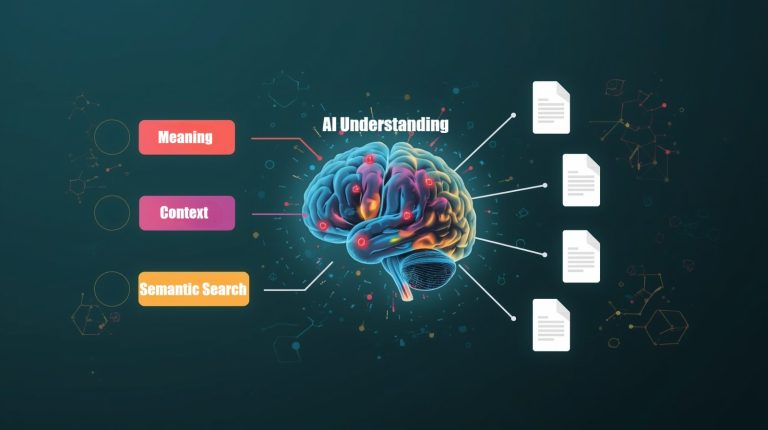
AI-supported mental wellness refers to technology-powered tools that provide mental health support through artificial intelligence. These systems use natural language processing to understand what you’re feeling, machine learning to recognize patterns in your mood, and evidence-based therapeutic techniques to offer guidance.
Think of it like having a knowledgeable companion available whenever anxiety strikes at 3 AM or when you need someone to talk through a difficult decision. Unlike traditional therapy appointments, AI mental health tools work around your schedule, respond instantly, and cost a fraction of conventional care.
The Core Components
AI mental wellness platforms typically combine several technologies:
Natural Language Processing allows the AI to understand your messages in conversational language. You don’t need technical jargon—just type or speak naturally about what’s bothering you.
Machine Learning helps the system recognize patterns. If you consistently feel anxious on Sunday evenings, the AI learns this and can offer preventive support before your stress peaks.
Evidence-Based Techniques form the foundation. Most reputable AI therapy tools incorporate cognitive behavioral therapy (CBT), mindfulness practices, or dialectical behavior therapy (DBT) principles developed by mental health professionals.
How AI Mental Wellness Actually Works
When you open an AI mental wellness app, you’re not just chatting with a programmed robot. The system analyzes your input through multiple layers of understanding.
The Conversation Flow
First, you share what’s happening—maybe you’re feeling overwhelmed, struggling with a relationship, or experiencing persistent sadness. The AI processes your words, identifying emotions, key concerns, and urgent needs. Research published in 2025 indicates that AI enhances early detection and intervention for mental health conditions, with various studies highlighting the effectiveness of AI-driven tools such as chatbots and predictive modeling in improving patient engagement and tailoring interventions.
Source: https://link.springer.com/article/10.1186/s12888-025-06483-2
Next, the AI responds with questions to understand your situation better. It might ask about recent triggers, your support system, or physical symptoms you’re experiencing. This mirrors how human therapists gather information during assessment.
Finally, the system offers personalized guidance. This could include coping strategies, breathing exercises, thought reframing techniques, or resources for deeper exploration. The conversation adapts based on your responses, creating a dynamic exchange rather than pre-scripted advice.
Behind the Scenes
Modern AI mental health tools process incredible amounts of data to serve you effectively. According to research published in World Psychiatry in 2025, virtual reality-based relaxation interventions combined with AI show equal or greater effectiveness than traditional approaches in reducing short-term stress and anxiety, with the added benefit of being more resource-efficient to deliver.
The system maintains context throughout your conversation. If you mentioned work stress earlier, it remembers and connects that to later discussions about sleep problems. This contextual awareness makes interactions feel more personal and relevant.
Real-World Applications: Who Benefits from AI Mental Wellness?
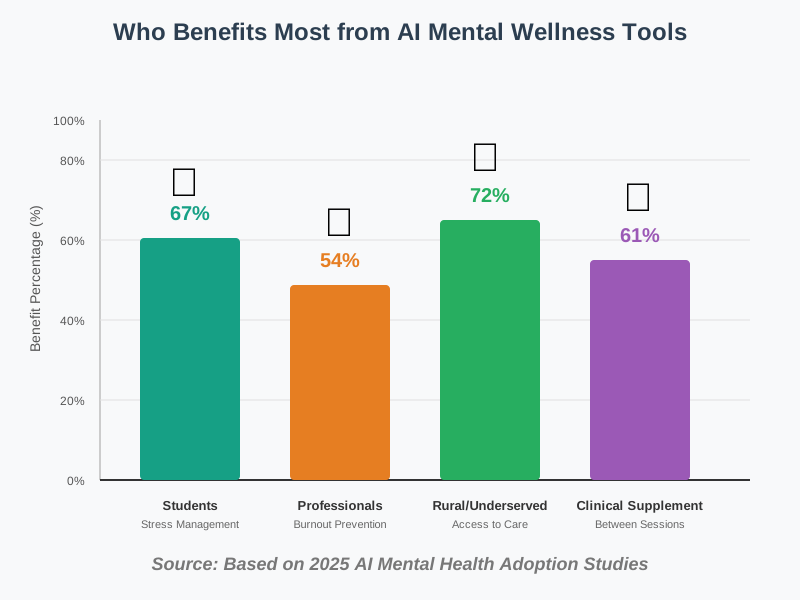
Students managing academic pressure represent one of the largest user groups. When exam anxiety hits at midnight, traditional support isn’t available. AI tools provide immediate grounding techniques and study stress management. I’ve used Wysa myself during particularly overwhelming assignment deadlines, finding its structured breathing exercises invaluable when my usual coping mechanisms felt inadequate.
Working professionals dealing with burnout use AI for daily check-ins and stress tracking. The systems identify patterns—like increased irritability on meeting-heavy days—and suggest preventive interventions before burnout intensifies.
People in underserved areas with limited access to mental health providers find AI tools bridge critical gaps. Digital platforms provide individuals with the ability to access mental health services from the comfort of their homes, eliminating geographical barriers, which is particularly beneficial for those in remote or underserved regions.
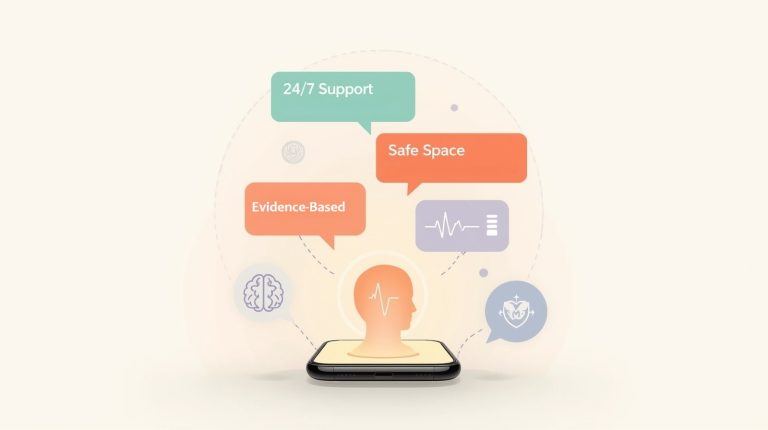
Individuals managing ongoing conditions like depression or anxiety supplement traditional therapy with AI support between sessions. The 24/7 availability provides continuity of care when professional sessions occur only weekly or biweekly.
Step-by-Step: Getting Started with AI Mental Wellness
Step 1: Assess Your Needs
Before downloading apps, identify what you’re hoping to address. Are you managing daily stress? Dealing with anxiety symptoms? Looking for mood tracking? Seeking support between therapy sessions?
Write down your primary mental health goals. This clarity helps you choose appropriate tools and measure whether they’re working for you.
Step 2: Research Reputable Platforms
Not all AI mental wellness tools meet the same standards. Look for platforms that:
- Clearly state their evidence base (CBT, DBT, mindfulness)
- Maintain transparent privacy policies
- Employ mental health professionals in development
- Provide crisis resources and human support options
Wysa has helped over 5 million users in 90+ countries and has received major recognition, including the AI Award in the UK and the FDA’s Breakthrough Device Designation in the U.S., representing a well-established platform with demonstrated safety and effectiveness.
Source: https://mymeditatemate.com/blogs/wellness-tech/best-ai-mental-health-apps
Step 3: Start with Free Trials
Most quality AI mental wellness platforms offer free trials or limited free versions. Test multiple options before committing financially. During trials, evaluate:
- How natural conversations feel
- Whether suggestions resonate with your experience
- If the interface feels intuitive and safe
- How well the AI understands your specific concerns
Step 4: Establish Consistent Usage Patterns
AI-supported mental wellness works best with regular engagement. Set daily check-in reminders, even brief ones. Morning mood logs help the AI understand your baseline. Evening reflections identify patterns over time.
Consistency allows the machine learning algorithms to personalize support more effectively. After two weeks of daily use, most systems substantially improve their recommendations for your specific situation.
Step 5: Integrate with Professional Care
AI tools should complement, not replace, professional mental health treatment. Share your AI usage with your therapist—many clinicians appreciate these tools as homework between sessions. The data tracking features can offer helpful suggestions for professional discussions.
If you’re in crisis or experiencing severe symptoms, always seek human professional help immediately. AI platforms typically include crisis hotline numbers and emergency resources for these situations.
Step 6: Monitor Your Progress
Keep a separate journal tracking how you feel after using AI mental wellness tools. Note improvements in specific areas—better sleep, reduced anxiety episodes, and improved mood regulation. This self-monitoring helps you evaluate effectiveness objectively rather than relying solely on how you feel in the moment.
The Benefits: Why AI Mental Wellness Matters
Accessibility Transforms Lives
The most significant advantage is simple: AI-supported mental wellness is there when you need it. No appointment scheduling, no waiting rooms, no geographic limitations. According to a 2025 survey, nearly half of respondents who both use AI and report mental health challenges utilize major large language models like ChatGPT for therapeutic support.
For someone experiencing a panic attack at 2 AM, having immediate access to grounding techniques can make the difference between managing the episode and escalating into crisis. Traditional systems simply can’t provide this level of availability.
Affordability Opens Doors
AI therapy platforms typically cost between $10 and $50 per month for unlimited access, compared to traditional therapy sessions, which average $100–200 each. This pricing structure eliminates financial barriers that prevent millions from accessing care.
Students on tight budgets, people without insurance coverage, or individuals in countries with expensive healthcare systems gain options previously unavailable. The democratization of mental health support represents a genuine societal advancement.
Reduced Stigma Encourages Help-Seeking
Many people avoid seeking mental health support due to embarrassment or fear of judgment. AI tools remove this barrier entirely. You can explore your feelings privately, without worrying about anyone knowing you’re struggling.
This anonymity particularly benefits communities where mental health stigma runs deep. The ability to seek help discreetly encourages more people to take that crucial first step toward wellness.
Personalization Through Data
Human therapists excel at emotional connection but have limitations in data processing. AI systems analyze thousands of data points—your mood patterns, sleep quality, stress triggers, and coping strategy effectiveness—to provide insights no human could generate manually.
This personalization means recommendations become increasingly relevant over time. The system learns what works specifically for you, not just general best practices.
Understanding the Limitations
Emotional Depth Remains Elusive
The most significant limitation of AI-supported mental wellness tools is their inability to provide genuine human connection. Many users report feeling that AI conversations, while informative, lack the authentic empathy and understanding that come from human interaction.
AI can simulate empathy, but it doesn’t truly feel what you’re experiencing. For many people, especially those dealing with trauma or complex emotional situations, this lack of authentic human understanding feels hollow.
Crisis Intervention Capabilities
While AI tools include crisis resources, they cannot provide emergency intervention. A study published in 2025 evaluating 29 AI-powered chatbot agents found varying capabilities in responding to simulated suicidal risk scenarios, highlighting concerns about safety protocols in mental health applications.
If you’re experiencing suicidal thoughts, severe depression, or other crisis-level symptoms, AI tools should direct you to appropriate human intervention—they cannot substitute for emergency mental health services.
Privacy and Data Security Concerns
Using AI mental wellness platforms means sharing intimate details about your emotional state. While reputable companies maintain strong security practices, data breaches remain possible. Additionally, questions persist about how companies use, store, and potentially share mental health data.
Always read privacy policies carefully. Understand what data gets collected, how long it’s retained, and whether it might be shared with third parties.
Limited Cultural Competency
Most AI mental health tools are developed primarily in Western contexts, potentially missing cultural nuances important for diverse users. Expressions of mental distress, coping preferences, and therapeutic approaches vary significantly across cultures.
Current systems may not adequately address these differences, potentially providing less effective support for people from non-Western backgrounds or marginalized communities.
Common Questions About AI Mental Wellness
Safety Considerations and Best Practices
Recognize Warning Signs
Know when AI support isn’t enough. If you experience suicidal thoughts, severe depression lasting weeks, significant functioning impairment, or symptoms worsening despite AI tool use, seek professional human help immediately.
AI platforms should recognize crisis indicators and direct you to appropriate resources. If an app doesn’t have clear crisis protocols, don’t use it for serious mental health concerns.
Maintain Privacy Awareness
Use strong passwords and enable two-factor authentication where available. Be cautious about oversharing personally identifying information in conversations—focus on feelings and situations rather than specific names, addresses, or other data that could identify you if breached.
Consider using AI mental wellness tools on private devices rather than shared computers or work equipment.
Balance AI with Human Connection
AI-supported mental wellness works best as part of a comprehensive support system. Continue nurturing relationships with friends, family, and community. If you’re already in therapy, maintain that relationship. If not, but you need deeper support, use AI tools as a bridge while you search for appropriate professional care.
Don’t let AI tools become your only source of emotional support. Human connection remains irreplaceable for mental well-being.
Practice Digital Wellness
Set boundaries around technology use, even with helpful AI tools. Constant mental health monitoring can become its own form of stress. Use apps intentionally—check in daily but avoid obsessive mood tracking that increases anxiety.
Remember that healing isn’t linear. If you have a difficult day despite using AI tools, that doesn’t mean the tools aren’t working or you’re failing. Mental wellness is a journey with natural ups and downs.
The Future of AI in Mental Healthcare
The trajectory of AI-supported mental wellness points toward increasingly sophisticated and personalized support. Massive investment is flowing into advancing these technologies, reflecting growing recognition of their potential to address global mental health needs.
Emerging developments include multimodal AI analyzing not just your words but also voice tone, facial expressions, and even typing patterns to assess emotional state more comprehensively. Wearable integration will allow systems to monitor physiological stress indicators like heart rate variability and sleep patterns, providing a holistic understanding of your well-being.
Virtual reality has shown promise in enhancing third-wave CBT approaches such as mindfulness, acceptance and commitment therapy, and dialectical behavioral therapy, with VR-enhanced DBT demonstrating potential to help individuals manage emotional dysregulation more effectively by practicing distress tolerance skills in immersive, controlled environments.
However, ethical questions accompany these advances. How do we ensure AI systems don’t perpetuate biases in mental healthcare? Who owns the vast amounts of sensitive data these platforms collect? How do we prevent over-reliance on technology for fundamentally human needs?
These questions demand ongoing attention as the field evolves.
Taking Your First Step Forward
Starting with AI-supported mental wellness doesn’t require technical expertise or perfect clarity about your mental health needs. It simply requires willingness to explore new support options and commitment to your well-being.
Download a reputable app—Wysa, Woebot, or similar evidence-based platforms—and spend a week engaging with daily check-ins. Notice what feels helpful and what doesn’t resonate. Adjust your approach based on your experience.
Remember that seeking support, whether through AI or traditional means, represents strength, not weakness. Every journey toward better mental health deserves encouragement and respect. You’re taking responsibility for your well-being in ways previous generations couldn’t access.
The landscape of mental healthcare is transforming. AI tools won’t replace human connection and professional expertise, but they’re creating new pathways to support for millions who previously had none. Your willingness to explore these options might be exactly what helps you navigate challenging times ahead.
Whether you use AI mental wellness tools as your primary support, a supplement to therapy, or simply an exploration of what’s possible, you’re participating in a meaningful shift toward more accessible mental healthcare. That matters—for you personally and for everyone still searching for support they can actually access.
References:
– BMC Psychiatry (2025). “The application of artificial intelligence in the field of mental health: a systematic review.” https://link.springer.com/article/10.1186/s12888-025-06483-2
– World Psychiatry (2025). “The evolving field of digital mental health: current evidence and implementation issues for smartphone apps, generative artificial intelligence, and virtual reality.” https://pmc.ncbi.nlm.nih.gov/articles/PMC12079407/
– Scientific Reports (2025). “Performance of mental health chatbot agents in detecting and managing suicidal ideation.” https://www.nature.com/articles/s41598-025-17242-4
– Sentio University (2025). “Survey: ChatGPT may be the largest provider of mental health support in the United States.” https://sentio.org/ai-research/ai-survey
– Meditate Mate (2025). “8 Best AI Mental Health Apps for 2025.” https://mymeditatemate.com/blogs/wellness-tech/best-ai-mental-health-apps
About the Author
Rihab Ahmed is an educator and lifelong learner passionate about making technology accessible for everyone. As a graduate student in educational psychology, I’ve witnessed firsthand how AI tools can support mental wellness when traditional resources fall short. I discovered AI mental health platforms during my struggles with exam anxiety and have since helped dozens of classmates navigate these tools safely and effectively. My mission is showing students and learners of all ages that technology can be a friend in their wellness journey—not something intimidating or a replacement for human connection. When I’m not writing or studying, you’ll find me testing new educational apps, volunteering at community tutoring centers, or practicing the mindfulness techniques I learned from the very AI tools I write about.