Narrow AI (ANI): What It Is & How It Impacts Your Daily Life

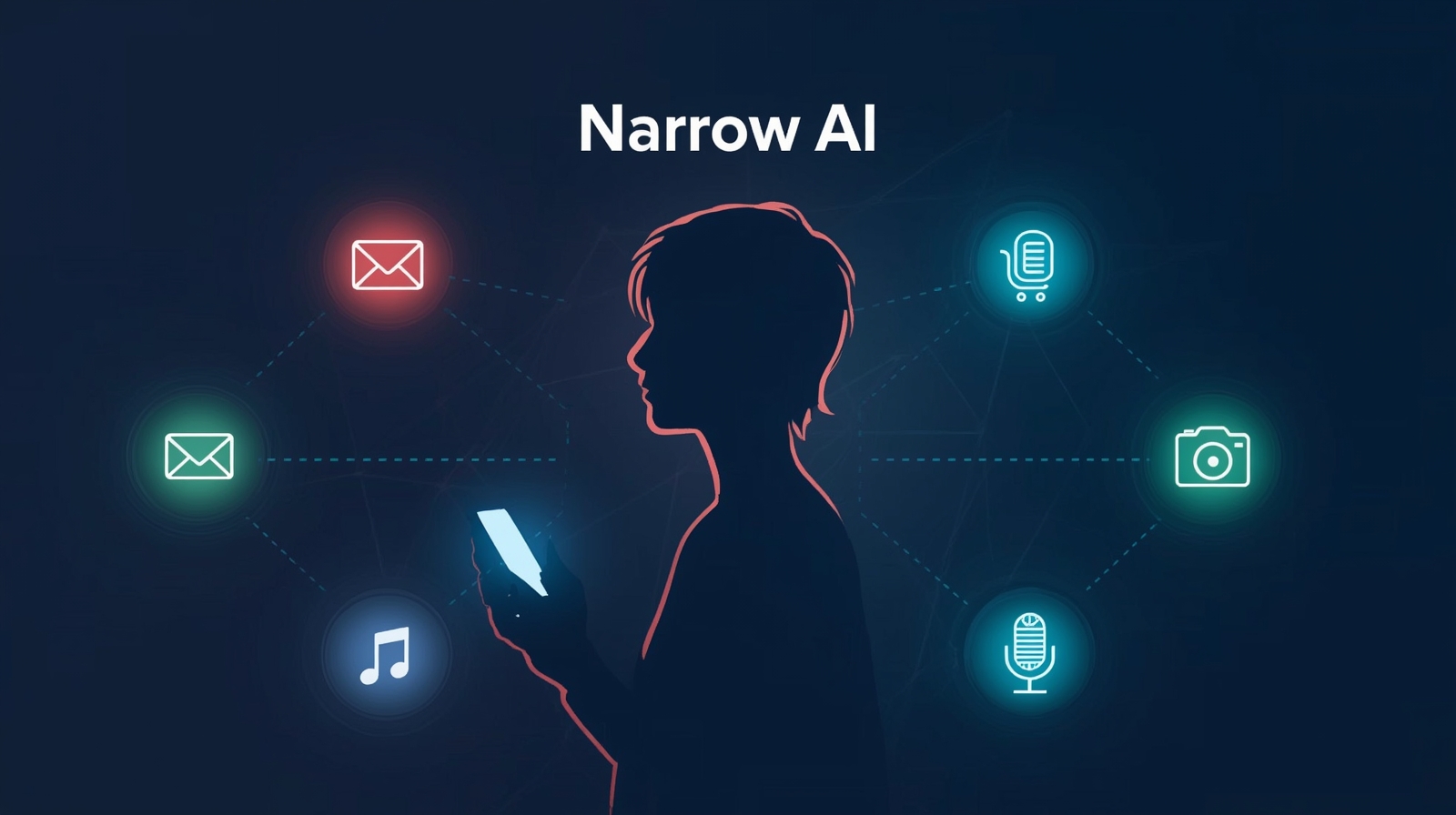
Narrow AI (ANI) is probably working for you right now—and you might not even realize it. Every time your email automatically sorts spam, your music app suggests the perfect song, or your phone recognizes your face to unlock, you’re experiencing artificial narrow intelligence in action. But what exactly is this technology, and why should you understand how it works?
As someone who’s spent years helping people use AI tools safely and responsibly, I’ve seen firsthand how Narrow AI has quietly transformed our daily routines. Unlike the all-knowing AI you see in science fiction movies, narrow AI is remarkably focused—it excels at one specific task but can’t do much else. Think of it as a highly skilled specialist rather than a generalist.
In this guide, I’ll walk you through everything you need to know about artificial narrow intelligence, from its core characteristics to real-world examples you interact with every day. More importantly, I’ll share practical tips for using these tools safely and understanding their limitations. Whether you’re a curious beginner or someone looking to make informed decisions about AI in your life, this article will help you navigate the world of narrow AI with confidence.
What Is Narrow AI (ANI)?
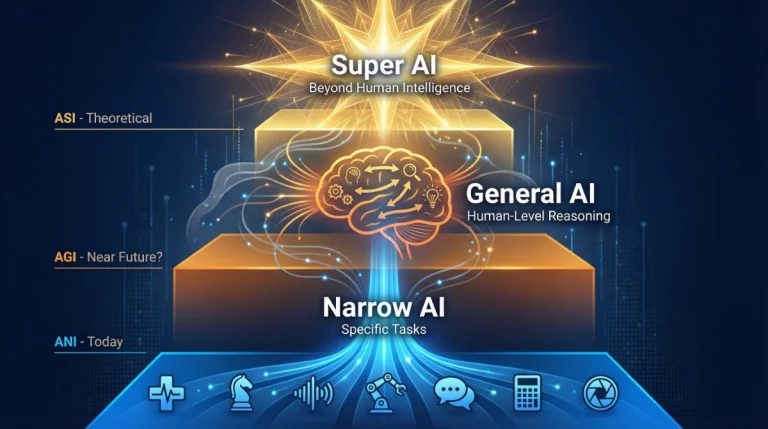
Narrow AI, also called Weak AI or Artificial Narrow Intelligence (ANI), refers to artificial intelligence systems designed to perform a single task or a limited set of related tasks exceptionally well. Unlike the hypothetical “general AI” that could theoretically match human intelligence across all domains, narrow AI operates within very specific boundaries.
Here’s what makes narrow AI distinct: it’s trained on particular datasets to solve particular problems. A spam filter learns to identify unwanted emails but can’t drive a car. A chess-playing AI can defeat world champions but can’t hold a conversation about the weather. This specialization is both its greatest strength and its fundamental limitation.
The term “weak” doesn’t mean these systems are ineffective—quite the opposite. Weak AI systems often outperform humans at their designated tasks. The “weakness” refers to their lack of general intelligence, consciousness, or the ability to transfer learning from one domain to another without retraining.
Key Characteristics That Define Narrow AI
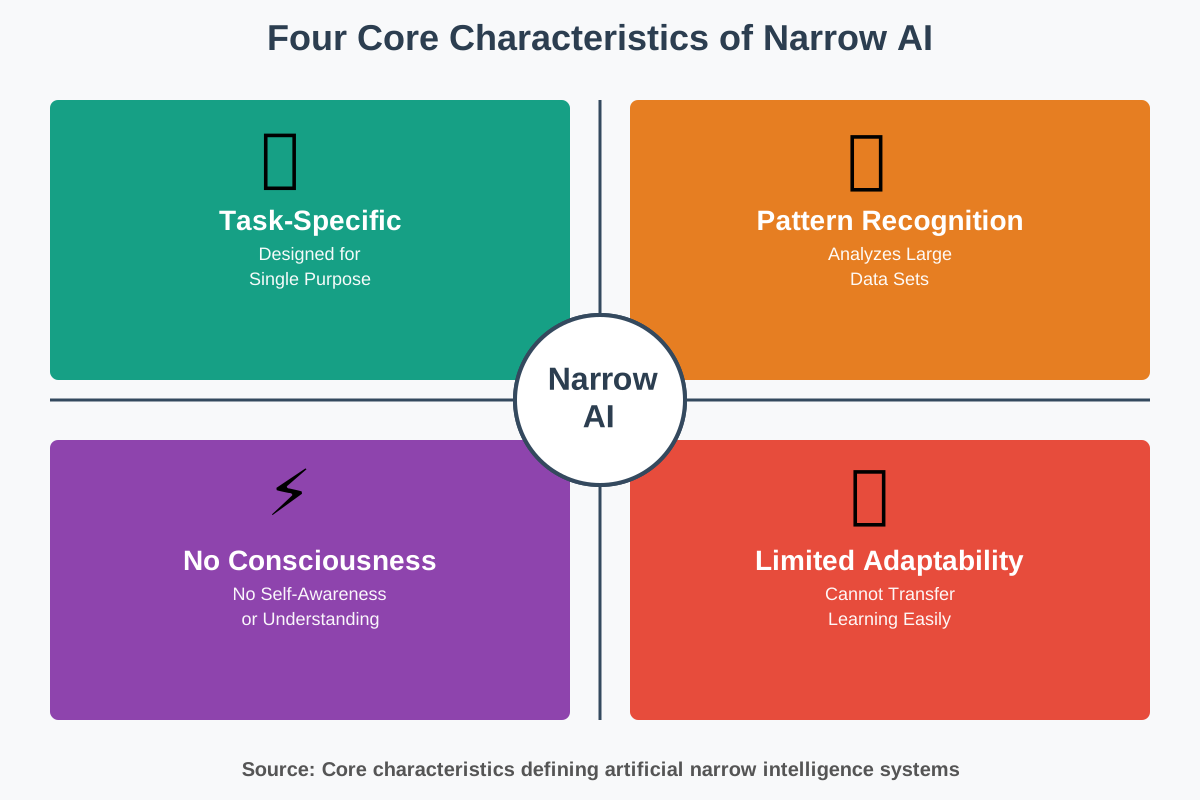
Understanding what makes Narrow AI (ANI) unique helps you recognize it in everyday applications and use it more effectively. Let me break down the defining features:
Task-Specific Design: Each narrow AI system is built for one job. Your voice assistant, like Siri or Alexa, processes speech and answers questions, but it doesn’t write poetry or analyze medical images. This laser focus allows developers to optimize performance for specific use cases.
Pattern Recognition Excellence: ANI systems excel at identifying patterns in data. Whether it’s recognizing faces in photos, detecting fraudulent credit card transactions, or predicting which product you might want to buy next, these systems process vast amounts of information to spot meaningful patterns that would take humans much longer to identify.
No Self-Awareness or Consciousness: This is crucial to understand. Narrow AI doesn’t “think” or “understand” in the human sense. It processes inputs according to its programming and training data, producing outputs based on statistical probabilities. When your music recommendation system suggests a song, it’s not because it appreciates the melody—it’s because mathematical patterns indicate you’re likely to enjoy it.
Limited Adaptability: A narrow AI trained for one purpose can’t easily switch to another without significant retraining. This is why understanding each tool’s specific purpose matters for safe and effective use.
How Narrow AI Actually Works
Now that you understand what Narrow AI (ANI) is, let’s explore how these systems function behind the scenes. Don’t worry—I’ll keep this accessible and practical, focusing on what you need to know to use these tools confidently and safely.
The Training Process: Teaching AI to Specialize
Every narrow AI system begins with training, similar to how you might train for a specific skill. Here’s the process broken down simply:
Data Collection: Developers gather massive amounts of relevant data. For a spam detection system, this might include millions of emails labeled as “spam” or “not spam.” For a facial recognition tool, it’s thousands of photos with identified faces.
Pattern Learning: The AI system analyzes this data, identifying patterns and relationships. It’s looking for features that distinguish one category from another. Why this matters to you: the quality and diversity of this training data directly affects how well the AI works in real-world situations and whether it might have biases.
Testing and Refinement: Developers test the system with new data it hasn’t seen before, measuring accuracy and adjusting as needed. This is why some ANI applications work better than others—the training quality varies significantly.
Deployment with Boundaries: Once trained, the system is released for its specific purpose, operating within well-defined parameters.
Machine Learning: The Engine Behind Most Narrow AI
Most modern Narrow AI systems use machine learning, a subset of AI that allows computers to learn from data without being explicitly programmed for every scenario. Here’s what you need to understand:
Supervised Learning is the most common approach for ANI. The system learns from labeled examples—like being shown pictures of cats with the label “cat” until it can identify cats on its own. Your email’s spam filter uses this method.
Neural Networks power many advanced narrow AI systems, particularly in image recognition and natural language processing. These are computational models inspired by how our brains process information, though they work quite differently in practice.
Reinforcement Learning is used when AI learns through trial and error, receiving rewards for correct actions. This approach powers some game-playing AI and recommendation algorithms.
Why this concept matters for safe use: Understanding that these systems learn from patterns means you can recognize their limitations. They might fail when encountering situations very different from their training data, or they might perpetuate biases present in that data.
Real-World Examples of Narrow AI You Use Daily
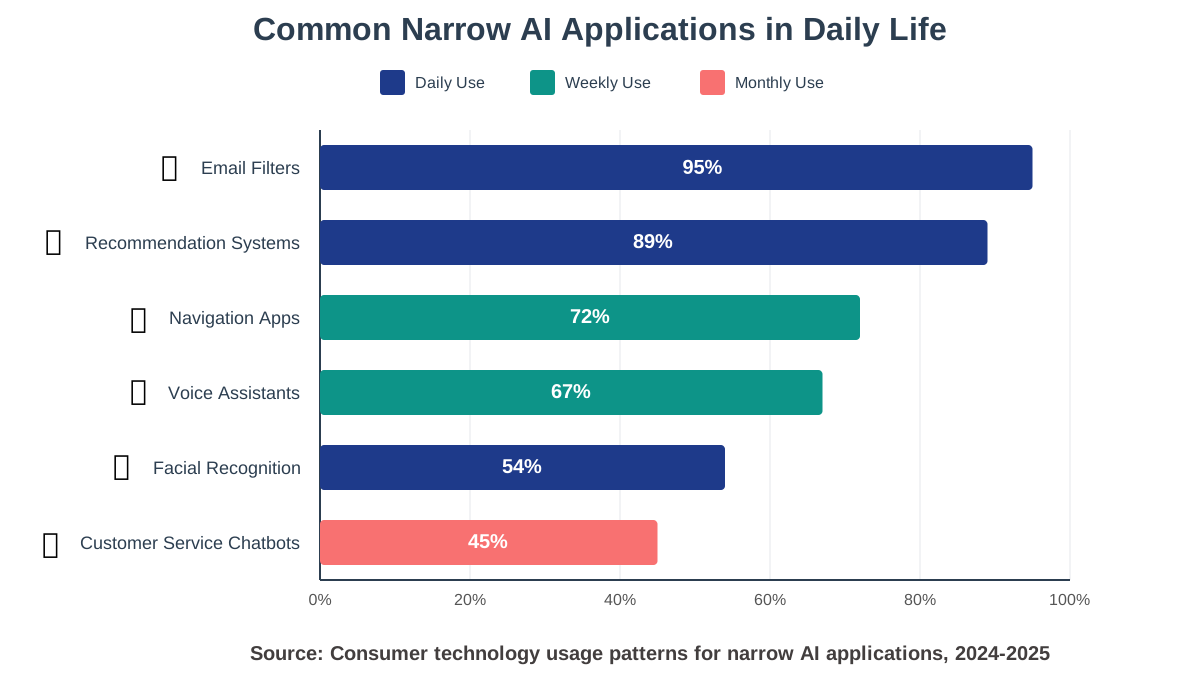
Let’s ground this in your everyday experience. Narrow AI (ANI) isn’t futuristic technology—it’s already integrated into tools you probably use multiple times a day. Recognizing these applications helps you use them more effectively and with appropriate caution.
Email Spam Filters: Your First Line of Defense
Your email spam filter is one of the oldest and most reliable examples of narrow AI at work. Every time you check your inbox and don’t see dozens of unwanted messages, you’re benefiting from a system that’s analyzed billions of emails to identify spam patterns.
These filters examine multiple factors: sender reputation, message content, links, formatting patterns, and even the time messages are sent. They learn continuously, which is why marking something as spam or “not spam” helps train the system for everyone.
Safety tip: While spam filters catch most threats, they’re not perfect. Always verify unexpected emails requesting personal information or money, even if they bypass the filter. The filter is a helpful tool, not an infallible guardian.
Voice Assistants: Specialized Conversational AI
When you ask Siri, Alexa, or Google Assistant to set a timer or check the weather, you’re interacting with narrow AI specialized in speech recognition and basic task completion. These systems are remarkably adept at understanding spoken commands within their training scope.
However, they’re not thinking or truly understanding like humans do. They’re matching your speech patterns to responses in their databases and executing pre-programmed functions. This technique is why they sometimes misunderstand context or give odd responses to unexpected questions.
Privacy consideration: Voice assistants must listen for activation phrases, which raises questions about what gets recorded and stored. Review your privacy settings regularly, delete voice history periodically, and understand that these systems are task-specific AI, not general conversationalists who genuinely comprehend your needs.
Recommendation Systems: The AI Behind Your Content Feeds
Netflix recommendations, Spotify playlists, YouTube suggestions, and Amazon product recommendations all rely on narrow AI systems trained to predict what you’ll want next based on your behavior and the behavior of similar users.
These recommendation algorithms analyze your viewing history, search patterns, ratings, time spent on content, and much more. They’re incredibly effective at keeping you engaged, which is both their purpose and a potential concern.
Responsible use tip: Remember that these systems are optimized for engagement, not necessarily for your well-being. They might create “filter bubbles” where you only see content similar to what you’ve seen before. Periodically explore outside your recommended content to maintain diverse perspectives and interests.
Navigation and Traffic Prediction
GPS navigation apps like Google Maps and Waze use narrow AI to analyze real-time traffic data, predict delays, and suggest optimal routes. These systems process information from millions of users simultaneously, identifying patterns that help everyone get where they’re going faster.
The AI considers historical traffic patterns, current conditions, accidents, construction, weather, and even events that might affect travel. It’s a perfect example of ANI excelling at one complex but specific task.
Practical tip: These systems work best when many users contribute data. If you’re comfortable doing so, enable location sharing during navigation to help improve predictions for your community. Just be aware of the privacy trade-off involved.
Facial Recognition: Convenience with Privacy Implications
When your smartphone unlocks by recognizing your face, that’s narrow AI trained specifically on biometric identification. These systems measure unique facial features and compare them against stored data to verify identity.
Similarly, photo applications that automatically tag people or organize pictures by faces use the same underlying technology. It’s convenient, but it’s also one of the more controversial applications of narrow AI due to privacy concerns.
Safety and privacy guidance: Facial recognition is powerful but raises important questions. Before enabling it:
- Understand where your facial data is stored (locally on your device or in the cloud)
- Review what companies can do with this data according to their privacy policies
- Consider the trade-off between convenience and privacy
- Know that these systems can have accuracy issues across different demographics
- Be aware that once facial data is compromised, you can’t change your face like you’d change a password
Customer Service Chatbots: Limited but Helpful
Many websites now feature chatbots that can answer basic questions, help you find information, or route you to the right department. These are narrow AI systems trained on common customer service scenarios.
They work well for straightforward queries—checking order status, explaining return policies, or finding specific information on a website. However, they struggle with complex problems, nuanced situations, or anything outside their training data.
Usage tip: Start with the chatbot for simple questions to save time, but don’t hesitate to request a human representative when your situation is complex or the bot isn’t understanding your needs. The bot is designed to handle routine tasks, not replace human judgment and empathy.
The Capabilities and Limitations of Narrow AI
Understanding what Narrow AI (ANI) can and cannot do is essential for using these tools safely and setting appropriate expectations. Let’s explore both sides realistically.
What Narrow AI Does Exceptionally Well
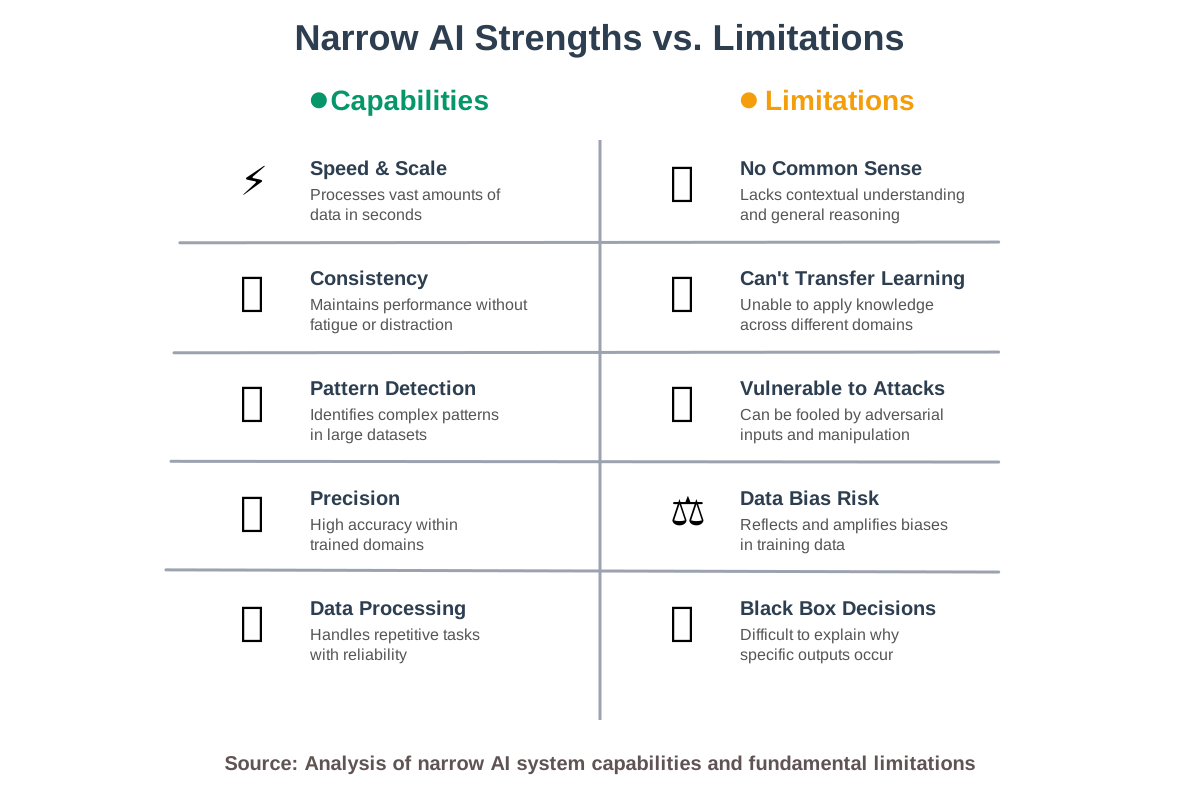
Speed and Scale: ANI systems process information far faster than humans ever could. A spam filter can analyze thousands of emails per second. A recommendation algorithm can compare your preferences against millions of other users instantly. This computational speed is narrow AI’s superpower.
Consistency: Unlike humans, narrow AI doesn’t get tired, distracted, or have bad days. A fraud detection system examines every transaction with the same level of attention, whether it’s the first of the day or the millionth. This reliability makes AI valuable for repetitive tasks requiring constant vigilance.
Pattern Detection in Large Datasets: Narrow AI excels at finding patterns in data volumes that would overwhelm human analysts. Medical diagnostic AI can compare a scan against millions of previous cases in seconds. Financial AI spots market patterns across vast amounts of trading data.
Precision in Defined Tasks: When properly trained on quality data, ANI can achieve remarkable accuracy within its specialization. Game-playing AI, such as chess or Go programs, can defeat world champions. Image classification systems identify objects with impressive precision.
Critical Limitations You Must Understand
No Common Sense or General Knowledge: This is perhaps the most important limitation. Narrow AI doesn’t understand context the way humans do. It can’t apply common sense reasoning or draw from general world knowledge unless specifically trained on that information.
For example, a language translation AI might translate words accurately but miss cultural context or idiomatic expressions. A medical diagnostic AI might identify a rare condition in an image but can’t consider your complete medical history, current symptoms, or life circumstances like a doctor would.
Inability to Transfer Learning: A narrow AI system trained to identify cats in photos can’t suddenly identify dogs without retraining. It can’t take what it learned about one task and apply it to something new. This is fundamentally different from human intelligence, where we constantly apply knowledge from one domain to solve problems in another.
Vulnerability to Adversarial Attacks: ANI systems can be fooled in ways humans wouldn’t be. Researchers have shown that adding tiny, imperceptible changes to images can cause image recognition AI to wildly misidentify objects. A few pixels changed in a stop sign might make an autonomous vehicle’s narrow AI system see it as a speed limit sign.
Bias Reflection: Narrow AI learns from training data, which means it can absorb and amplify biases present in that data. If a hiring AI is trained on historical data from a company that predominantly hired one demographic, it might perpetuate that bias. This isn’t malicious—it’s a reflection of patterns in the training data—but it’s a serious concern requiring careful attention.
Lack of Explainability: Many narrow AI systems, particularly those using complex neural networks, operate as “black boxes.” They produce accurate results, but even their creators sometimes can’t fully explain why the AI made a specific decision. This lack of transparency can be problematic in high-stakes situations requiring accountability.
Narrow AI vs. General AI: Understanding the Difference
One of the most common sources of confusion about artificial intelligence stems from mixing up Narrow AI (ANI) with the hypothetical concept of Artificial General Intelligence (AGI). Let me clarify this distinction, as it’s crucial for understanding what AI can realistically do today versus what might be possible in the future.
What We Have Now: Narrow AI Everywhere
Every AI system you interact with today—from your spam filter to voice assistants to recommendation algorithms—is narrow AI. These are the specialized tools I’ve been describing throughout this article. They excel at specific tasks but remain fundamentally limited to their trained purposes.
Narrow AI is task-specific intelligence. It’s real, deployed, and improving incrementally. Companies continue refining these systems, making them more accurate and expanding their specific capabilities, but each remains confined to its domain.
What We Don’t Have Yet: General AI
Artificial General Intelligence refers to hypothetical AI that could match or exceed human intelligence across all cognitive tasks. This would be a system capable of reasoning, learning, understanding context, applying knowledge across domains, and adapting to new situations—basically, everything humans can do intellectually.
AGI doesn’t exist yet, and experts disagree significantly on whether it ever will or when it might arrive. Predictions range from “within decades” to “never” to “centuries away.” This uncertainty itself tells you something important: despite impressive advances in narrow AI, we’re not close to general intelligence.
Why This Distinction Matters for You
Managing Expectations: Understanding that all current AI is narrow helps you set realistic expectations. Don’t expect your voice assistant to solve complex problems requiring general reasoning. Don’t assume a diagnostic AI can replace a doctor’s comprehensive judgment. These tools are powerful helpers within their domains, not all-knowing systems.
Safety and Trust: Knowing the limitations helps you use AI tools more safely. You’ll naturally be more cautious about relying entirely on AI recommendations when you understand they’re working from pattern matching, not genuine understanding.
Future Preparedness: Being clear about what AI is and isn’t helps you evaluate news and claims about artificial intelligence. When someone announces a new AI breakthrough, you can ask, “Is this advancing narrow AI capabilities or claiming to approach general intelligence?” Usually, it’s the former, despite sometimes breathless headlines suggesting otherwise.
Using Narrow AI Safely and Responsibly
Now that you understand what Narrow AI (ANI) is, how it works, and its limitations, let’s focus on practical guidance for using these tools safely and ethically in your daily life.
Verify Important Decisions
Never rely solely on narrow AI for high-stakes decisions. Whether it’s a medical diagnostic system, a hiring algorithm, or a financial advisor bot, these tools should inform decisions, not make them independently.
Always involve human judgment, especially when outcomes significantly affect people’s lives, health, finances, or opportunities. Think of ANI as a highly skilled assistant providing recommendations, not as the ultimate authority.
Understand Your Privacy Settings
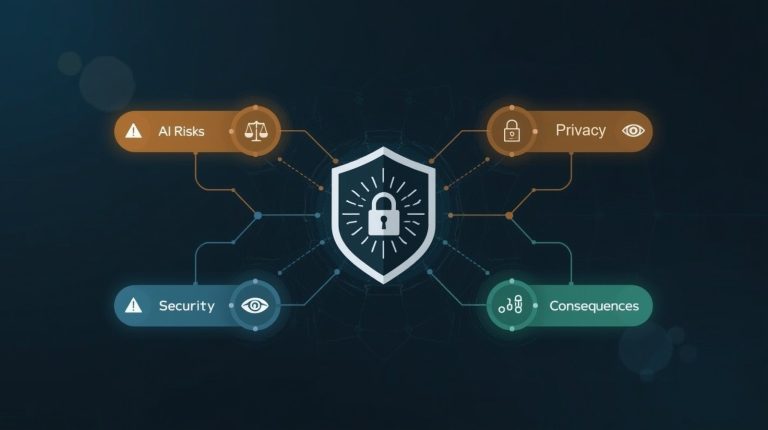
Many narrow AI applications require personal data to function. Your recommendation systems need viewing history. Voice assistants may store recordings. Facial recognition needs biometric data.
Action steps for privacy protection:
- Review privacy settings for each AI-powered tool you use
- Understand what data is collected, where it’s stored, and who can access it
- Delete historical data periodically if the option exists
- Opt out of data sharing when possible without losing essential functionality
- Read privacy policies, at least the key sections, before using new AI tools
- Consider using privacy-focused alternatives when available
Recognize and Report Biases
If you notice a narrow AI system producing biased or discriminatory results, report it. Whether it’s a hiring algorithm that seems to favor certain demographics, a voice assistant that doesn’t understand diverse accents, or a recommendation system creating harmful filter bubbles, user feedback helps developers identify and address these issues.
Many AI companies have channels for reporting problems. Use them. Your experience matters, especially if you belong to groups historically underrepresented in technology development.
Maintain Critical Thinking
Don’t accept AI outputs uncritically. When a recommendation algorithm suggests content, ask yourself if it’s genuinely valuable or just engaging. When a chatbot provides information, verify it through other sources if it’s important.
Narrow AI is a tool, not truth. It reflects patterns in data, which may or may not represent reality accurately. Your human judgment, critical thinking, and ability to consider context remain essential.
Protect Children’s Interactions with AI
If children in your care use devices with narrow AI features, take extra precautions:
- Enable parental controls and age-appropriate filters
- Discuss AI limitations in age-appropriate terms
- Monitor their interactions with voice assistants and chatbots
- Teach them that AI doesn’t “know” things like people do
- Ensure privacy settings protect their data more stringently
- Be aware that recommendation algorithms can expose children to inappropriate content despite filters
Stay Informed About Updates
Narrow AI systems evolve constantly through updates and retraining. A tool that works one way today might behave differently after an update. Stay informed about changes to AI tools you rely on, particularly regarding privacy policies, data usage, or functionality shifts.
Subscribe to update notifications when available, and periodically review settings after major updates to ensure they still align with your preferences.
Frequently Asked Questions About Narrow AI
The Future of Narrow AI: What to Expect
As someone who tracks AI developments closely, I want to share realistic expectations about where Narrow AI (ANI) is headed. Understanding likely trends helps you prepare for changes while maintaining healthy skepticism about overhyped claims.
Continued Specialization and Refinement
The near future of narrow AI involves making existing applications more accurate, efficient, and useful within their domains. We’ll see improvements in areas like:
- More accurate speech recognition understanding diverse accents and languages
- Better recommendation systems that balance engagement with user well-being
- More sophisticated medical diagnostic AI assisting healthcare professionals
- Enhanced fraud detection systems protecting financial transactions
- Improved autonomous driving capabilities in increasingly complex scenarios
These aren’t revolutionary breakthroughs toward general AI—they’re incremental improvements making narrow AI tools more reliable and accessible.
Greater Integration Across Daily Life
Expect ANI to become more embedded in everyday objects and services. Smart home devices will better anticipate your needs. Educational tools will offer more personalized learning paths. Workplace software will handle more routine administrative tasks. The key is that each of these remains a specialized application, not a step toward general intelligence.
Increased Focus on Ethics and Regulation
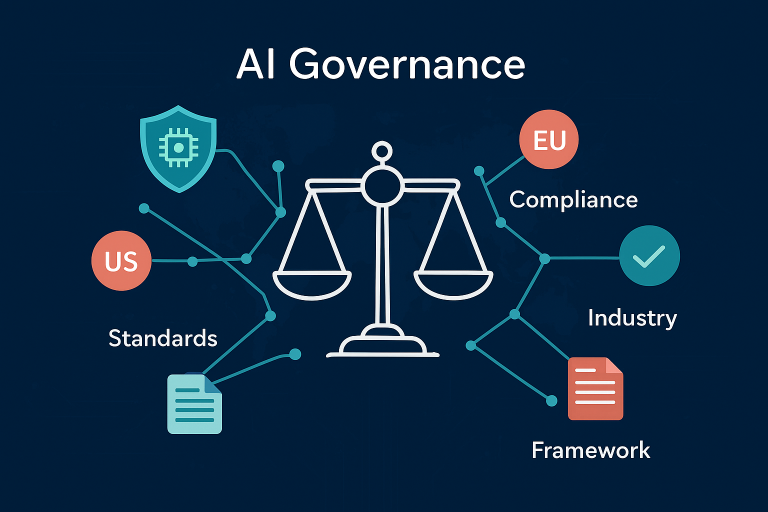
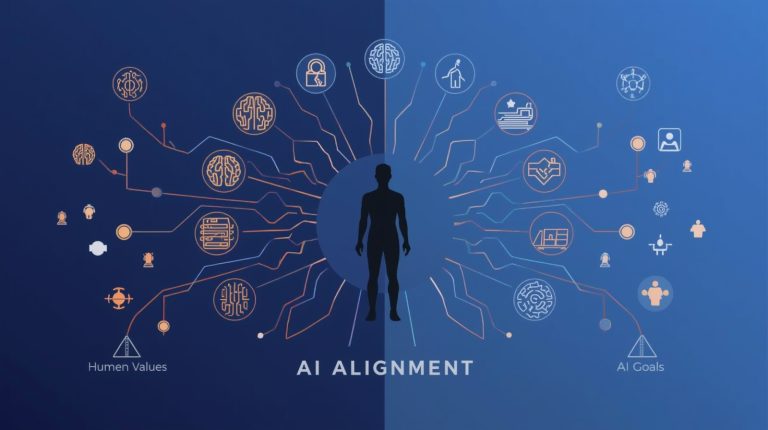
As narrow AI becomes more prevalent, expect growing attention to ethical use, bias mitigation, privacy protection, and regulatory frameworks. This is positive—thoughtful governance helps ensure these powerful tools serve everyone fairly while respecting individual rights.
You’ll likely see more transparency requirements, mandated bias testing, stricter data protection rules, and clearer disclosure when AI systems make decisions affecting people’s opportunities or rights.
What Won’t Change Soon
Despite advances in narrow AI, certain fundamental limitations will persist:
- These systems won’t develop common sense reasoning or general intelligence
- They’ll remain dependent on quality training data and human oversight
- The need for human judgment in complex, high-stakes decisions will continue
- Transfer learning across domains will remain limited without retraining
- Understanding why AI makes specific decisions will stay challenging
Don’t expect voice assistants to become genuinely intelligent conversationalists or recommendation algorithms to deeply understand your life goals and values. They’ll get better at their specific tasks, but they’ll remain narrow.
Taking Action: Your Next Steps with Narrow AI
You’ve now explored Narrow AI (ANI) from multiple angles—what it is, how it works, where you encounter it, and how to use it safely. Let’s conclude with concrete actions you can take immediately to engage with these tools more confidently and responsibly.
Audit Your Current AI Usage
Take inventory of narrow AI systems you already use. For each one, ask yourself:
- What specific purpose does this AI serve?
- What personal data does it require?
- Are my privacy settings configured appropriately?
- Do I understand its limitations?
- Am I using it as a helpful tool or relying on it too heavily?
This audit helps you make informed decisions about which AI tools genuinely add value to your life and which might need better boundaries.
Educate Others in Your Circle
Share what you’ve learned about Narrow AI with family, friends, and colleagues. Many people use these tools daily without understanding their nature or limitations. Your knowledge can help others:
- Set realistic expectations for AI capabilities
- Protect their privacy more effectively
- Recognize when human judgment is essential
- Use these tools more safely and productively
Stay Curious and Critical
Technology evolves rapidly. Maintain both curiosity about new narrow AI applications and critical thinking about their claims and implications. When you encounter new AI-powered tools, ask:
- What specific problem does this solve?
- What are its limitations?
- How does it use my data?
- What biases might it have?
- Is there human oversight for important decisions?
Advocate for Responsible AI Development
Support companies and organizations prioritizing ethical AI development, transparency, bias mitigation, and user privacy. Your choices as a consumer and citizen influence how these technologies develop.
Provide feedback when you encounter problems with ANI systems. Report biases, privacy concerns, or functionality issues. Developers can’t fix problems they don’t know about, and your perspective matters, especially if you represent groups historically marginalized in technology.
Embrace AI as a Tool, Not a Replacement
The healthiest relationship with Narrow AI views it as a powerful tool augmenting human capabilities, not replacing human judgment, creativity, or connection. Use AI assistants to handle routine tasks, freeing your time and mental energy for work requiring uniquely human qualities: empathy, ethical reasoning, creative problem-solving, and meaningful relationships.
Remember that these systems excel at pattern recognition and data processing but lack the understanding, wisdom, and contextual awareness that you bring to complex situations. You remain the most important part of the equation.
Conclusion
Narrow AI (ANI) has transformed from a futuristic concept into a practical reality woven throughout your daily life. Every time your email automatically sorts spam, your phone recognizes your face, or your music app suggests the perfect song, you’re experiencing the power of specialized artificial intelligence at work.
Understanding narrow AI—its impressive capabilities within specific domains and its fundamental limitations—empowers you to use these tools more effectively and safely. You now know that today’s AI excels at particular tasks through pattern recognition and machine learning, but it lacks the general intelligence, common sense, and genuine understanding that characterize human thought.
This knowledge matters because ANI will continue expanding into more areas of life. The systems will become more sophisticated at their specialized tasks, but they’ll remain tools requiring human oversight, judgment, and ethical guidance. Your role isn’t to fear these technologies or blindly trust them—it’s to engage with them thoughtfully, understanding both their value and their boundaries.
As you move forward, remember these key points: verify AI outputs before making important decisions, protect your privacy through careful settings management, recognize and report biases, maintain critical thinking, and view narrow AI as a powerful assistant rather than an all-knowing authority.
The future belongs not to artificial intelligence alone, but to humans who effectively combine AI’s specialized capabilities with uniquely human qualities like wisdom, creativity, empathy, and ethical reasoning. By understanding Narrow AI (ANI) as it truly is—remarkably capable within its boundaries but fundamentally limited—you’re better equipped to navigate an increasingly AI-integrated world with confidence, safety, and purpose.
Start small: audit one narrow AI tool you use today, adjust its privacy settings if needed, and share what you’ve learned with someone who could benefit from this knowledge. That’s how we collectively build a future where these powerful specialized systems serve humanity well while remaining under thoughtful human guidance.
References:
Anthropic. “Claude AI Documentation.” Available at: https://docs.claude.com
Russell, S., & Norvig, P. (2021). Artificial Intelligence: A Modern Approach (4th ed.). Pearson.
Stanford University. “Artificial Intelligence Index Report 2024.” Stanford HAI.
MIT Technology Review. “What is Artificial Intelligence?” Available at: https://www.technologyreview.com
European Commission. “Ethics Guidelines for Trustworthy AI.” Available at: https://digital-strategy.ec.europa.eu
About the Author
Nadia Chen is an expert in AI ethics and digital safety, dedicated to helping non-technical users navigate artificial intelligence tools safely and responsibly. With a background in technology policy and user education, Nadia specializes in making complex AI concepts accessible while emphasizing privacy protection, bias awareness, and ethical considerations. She believes everyone deserves to understand the AI systems shaping their daily lives and to use these powerful tools confidently and safely. Through clear, trustworthy guidance, Nadia empowers readers to embrace technology’s benefits while maintaining critical thinking and protecting their digital well-being. Her work focuses on building bridges between cutting-edge AI developments and everyday users seeking practical, safe, and ethical ways to integrate these tools into their lives.