The Ultimate Guide to AI Music Generation in 2025

The Ultimate Guide to AI Music Generation in 2025 opens up a world where anyone can create professional-sounding music without years of training. Imagine composing a symphony during your lunch break or creating the perfect soundtrack for your video project in minutes. That’s the reality we’re living in today, and I’m here to show you exactly how to tap into this incredible technology.
Understanding AI Music Generation: What It Really Means
When I first heard about AI music generation, I thought it was just another tech buzzword. Boy, was I wrong! It’s actually a revolutionary way of creating music using artificial intelligence algorithms that can understand patterns, styles, and even emotions in music. These smart systems analyze thousands of songs to learn what makes music tick, then use that knowledge to create entirely new compositions.
Think of it like having a musical genius living inside your computer. This digital musician never gets tired, never runs out of ideas, and is always ready to collaborate. The beauty is that you don’t need to know how to play a single instrument or read a single note of sheet music to create something amazing.
Getting Started: Your First Steps in AI Music Creation
1. Choose Your AI Music Platform
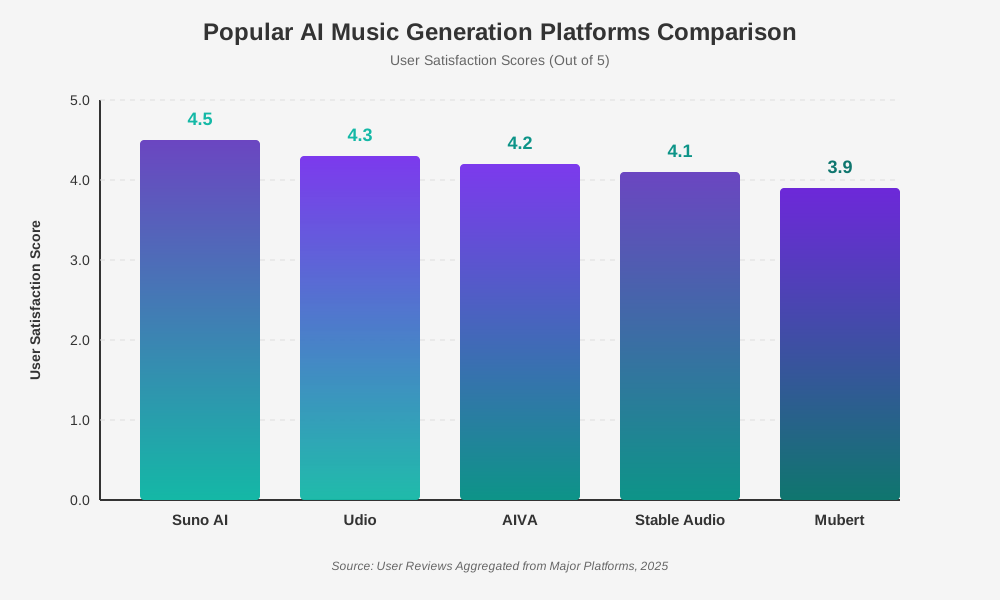
Start by selecting a beginner-friendly platform. Music generation tools like Suno AI, Udio, or Stable Audio are perfect starting points. Each offers free trials, so you can experiment without spending a penny. I started with Suno AI because of its incredibly intuitive interface—it felt like texting a friend who happens to be a music producer!
2. Set Up Your Account
Creating an account is straightforward. Most platforms only require an email address. Once you’re in, spend a few minutes exploring the interface. Don’t worry about breaking anything—these tools are designed for experimentation. Click around, listen to examples, and get comfortable with the layout.
3. Define Your Musical Vision
Before diving in, think about what you want to create. Are you looking for background music for a video? Are you looking for a catchy jingle? Or maybe you just want to explore? Having a clear goal helps, but don’t stress if you’re just experimenting. Some of my best AI-generated compositions came from random experimentation sessions.
Crafting Your First AI Song: A Step-by-Step Approach
4. Write Your Prompt
This is where the magic happens! AI music prompts are simply descriptions of what you want. Start simple: “upbeat pop song about summer vacation” or “relaxing piano music for studying.” The key is being specific without overthinking. Include mood, genre, instruments, and any specific elements you want.
Pro Tip: Include emotional descriptors in your prompts. Words like “nostalgic”, “energetic” or “mysterious”, help the AI understand the feeling you’re after. I once created a hauntingly beautiful piece just by adding “melancholic but hopeful” to my prompt.
5. Generate and Listen
Hit that generate button and wait for the magic! Most AI composition software takes 30 seconds to 2 minutes to create your track. Use this time to grab a coffee—you’re about to hear something that’s never existed before. Once it’s ready, approach it with a receptive mindset. Your first generation might not be perfect, and that’s completely normal.
6. Refine Your Creation
Don’t like what you hear? No problem! Please adjust your prompt and try again. Maybe add “more bass” or “slower tempo.” Each platform has its own way of refining results. Some let you edit specific sections, while others require regenerating the whole track. Think of it as having a conversation with the AI about what you want.
Advanced Techniques for Better Results
Once you’ve got the basics down, it’s time to level up your AI music creation game. Here’s where things get really exciting!
Layering and Mixing
Many platforms now allow you to generate individual tracks—drums, bass, and melody—separately and combine them. This gives you incredible control over your final sound. I love creating a basic rhythm track first, then layering melodies on top. It’s like building a musical sandwich, one delicious layer at a time.
Style Transfer and Genre Blending
Machine learning music systems excel at blending genres. Try combining unexpected styles: “jazz-influenced heavy metal” or “classical music with trap beats.” These unusual combinations often produce the most intriguing results. Don’t be afraid to get weird—some of today’s most popular music came from genre-bending experiments.
Using Reference Tracks
Some advanced platforms for generating music using neural networks let you upload a reference track. The AI analyzes the style, structure, and mood, then creates something similar but original. It’s like showing a chef a dish you love and asking them to make their own version. Just remember—we’re aiming for inspiration, not imitation!
Common Mistakes to Avoid
Let me save you from the mistakes I made when starting out. Trust me, learning from others’ errors is much less frustrating!
Overcomplicating Your Prompts
When I started, I’d write prompts like novels. “Create a song that captures the feeling of walking through a misty forest at dawn while thinking about lost love and the meaning of existence…” Yeah, that’s too much. Keep it focused. The AI works better with clear, concise instructions.
Expecting Perfection Immediately
Automated music creation is an iterative process. Your first generation rarely nails it. Think of it like sketching—you start rough and refine as you go. Every “failed” attempt teaches you something about how to communicate better with the AI.
Ignoring Copyright and Licensing
This is crucial! Always check the terms of service for your chosen platform. Some AI song generators offer full commercial rights, while others are for personal use only. If you’re planning to monetize your creations, make sure you’re using a platform that allows it. Nothing ruins the creative buzz faster than legal issues!
Practical Applications in Real Life
Now let’s talk about what you can actually do with your newfound algorithmic music composition skills. The applications are endless, and I’ve discovered new uses almost weekly!
Content Creation
YouTubers, podcasters, and social media creators—this is your secret weapon. Custom background music that perfectly matches your content’s mood? Check. Unique intro music that sets you apart? Double-check. No more scrolling through generic royalty-free libraries!
Personal Projects
Creating a video montage of your vacation? Need music for your wedding slideshow? AI-powered music tools let you create something truly personal. I made a lullaby for my niece using AI, and my sister still plays it every night. The personal touch makes a significant difference.
Learning and Education
Students and educators are utilizing deep learning techniques in music generation to enhance their understanding of music theory. Generate examples of different chord progressions, explore various musical scales, or create backing tracks for practice. It’s like having a patient music teacher available 24/7.
The Future of AI Music: What’s Coming Next
The future of AI in music is mind-blowing. We’re already seeing AI that can generate music in real time based on your mood (detected through wearables), create infinite variations of a theme, and even collaborate with human musicians in live performances.
Imagine walking into your home and having AI compose a unique soundtrack based on your day. Stressed? Here’s something calming. Celebrating? Let’s amp up the energy! The future isn’t science fiction—prototypes already exist.
Exciting Development: Some platforms are experimenting with AI that can generate music based on images or videos. Upload a sunset photo, and get a matching melody. The creative possibilities are endless!
Making AI Music Generation Work for You
Success with synthetic music creation isn’t about technical knowledge—it’s about curiosity and persistence. Start small, experiment often, and don’t be afraid to create something terrible. Every weird, off-key generation teaches you something valuable.
Join online communities dedicated to AI music. Share your creations, get feedback, and learn from others’ experiences. The AI music generation community is incredibly welcoming and always eager to help newcomers. Some of my best tips came from random Discord conversations at 2 AM!
Remember, you’re not replacing human musicians—you’re using technology to express your creativity in new ways. Many professional musicians now use computational music generation as part of their creative process. It’s a tool, not a replacement.
Your Musical Journey Starts Now
The Ultimate Guide to AI Music Generation in 2025 has equipped you with everything needed to start creating. You now understand how AI transforms text into melodies, know which tools to use, and have clear steps to follow. Most importantly, you know the common pitfalls to avoid.
Don’t wait for the “perfect moment” to start. Open one of those free platforms I mentioned, type in a simple prompt, and hit generate. In less time than it takes to make a sandwich, you’ll have created your first piece of AI music. How cool is that?
The world of AI music generation is evolving daily, bringing new features and possibilities. Start your journey today, and who knows? The next viral song or perfect soundtrack might come from your laptop. The only limit is your imagination, and even that gets a boost from AI!
Are you prepared to take on the role of a digital composer? Your audience is waiting to hear what you’ll create. Let’s make some music!
About the Author
Abir Benali, a friendly technology writer who specializes in making AI tools accessible to non-technical users, wrote this article. With a passion for demystifying complex technology, Abir helps readers discover how AI can enhance their creative projects and daily lives. Through clear, jargon-free explanations and practical examples, Abir has helped thousands of beginners take their first steps into the world of AI music generation.