
The Different Types of AI Risks: A Detailed Breakdown

The Different Types of AI Risks are more present in our daily lives than most people realize. Every time you unlock your phone with facial recognition, ask a voice assistant for directions, or scroll through personalized social media feeds, you’re interacting with artificial intelligence systems. While these technologies offer remarkable convenience, they also introduce a complex web of dangers that affect our privacy, security, fairness, and even our autonomy. As someone who’s spent years studying AI ethics and digital safety, I’ve seen firsthand how understanding these risks isn’t just about being cautious—it’s about being empowered to use AI responsibly and protect yourself in an increasingly automated world.
Most of us don’t think twice before using AI-powered tools. We trust them because they’re convenient, seemingly neutral, and often invisible in how they operate. But here’s what concerns me: these systems can perpetuate bias, expose our personal information through security vulnerabilities, violate our privacy, and create unintended consequences that ripple far beyond their original purpose. The good news? Once you understand the landscape of AI risks, you can make informed decisions about which tools to trust, how to protect yourself, and when to question the technology you’re using.
In this comprehensive breakdown, I’ll walk you through the major categories of AI risks, explain why each one matters to you personally, and provide practical guidance on recognizing and mitigating these dangers. Whether you’re a concerned parent, a professional using AI tools at work, or simply someone who wants to navigate technology more safely, this guide will give you the knowledge you need to engage with AI on your own terms.
Understanding the AI Risk Landscape
Before we dive into specific types of risks, it’s important to understand that AI systems aren’t inherently dangerous—but they’re not neutral either. They’re designed by humans, trained on data collected from our imperfect world, and deployed in contexts that can amplify their flaws. Think of AI like a powerful tool: a chainsaw can build beautiful furniture or cause serious harm, depending on who’s using it and how carefully they handle it.
The Different Types of AI Risks fall into several interconnected categories. Some are technical in nature, stemming from how these systems are built and trained. Others are societal, emerging from how AI interacts with existing power structures and inequalities. Still others are deeply personal, affecting individual privacy, autonomy, and safety. What makes this particularly challenging is that these risks don’t exist in isolation—they overlap, compound, and sometimes create entirely new problems we didn’t anticipate.
What I’ve learned through working with individuals and organizations navigating these challenges is that awareness is your first line of defense. You don’t need to be a computer scientist to understand these risks, and you certainly don’t need to abandon AI altogether. You just need to know what to look for and how to ask the right questions.
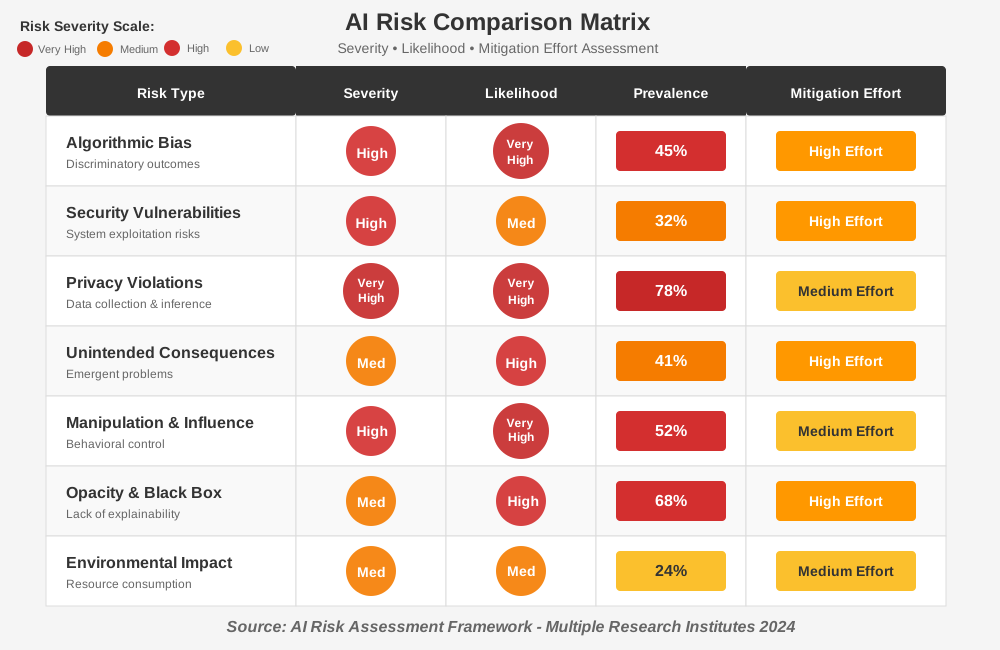
The visualization below summarizes all seven major AI risk categories, comparing them across severity, likelihood, current prevalence, and the effort required to mitigate them. This at-a-glance comparison helps you understand which risks demand the most urgent attention.
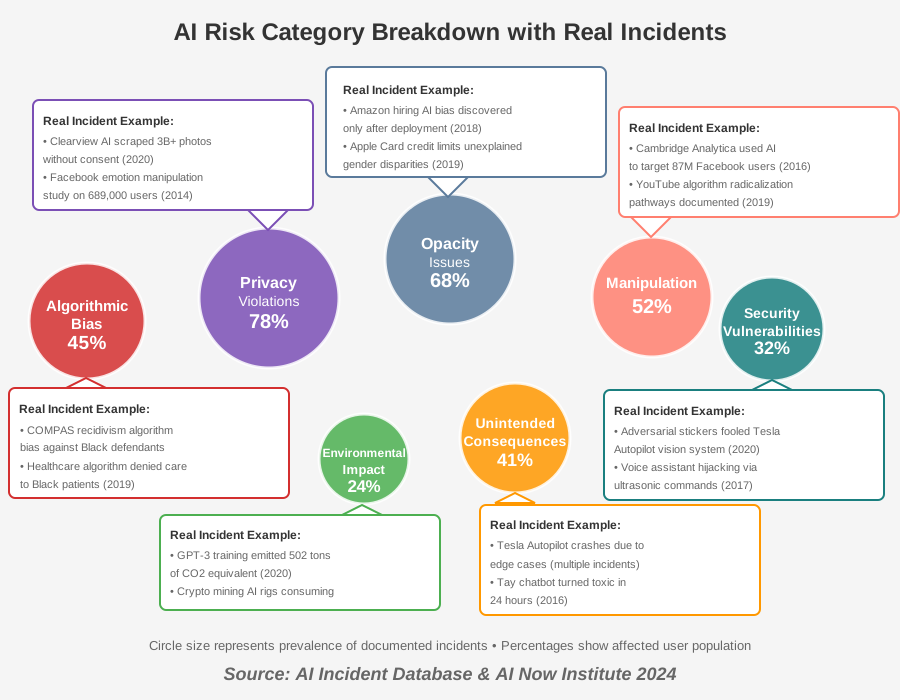
Each circle below represents a major category of AI risk, sized proportionally to its prevalence in documented incidents. Hover over each to see real-world examples of how these risks have manifested.
Algorithmic Bias: The Hidden Discrimination in AI Systems
Algorithmic bias represents one of the most pervasive and troubling categories of AI risks. This occurs when AI systems systematically produce unfair outcomes for certain groups of people based on characteristics like race, gender, age, socioeconomic status, or other protected attributes. What makes this particularly insidious is that these biases often appear objective because they’re generated by machines—but machines learn from human data, which means they inherit all our historical prejudices and societal inequalities.
How Bias Enters AI Systems
Bias in AI doesn’t appear out of nowhere. It typically enters through three main pathways: the training data, the algorithm design, and the deployment context. Training data bias occurs when the information used to teach an AI system isn’t representative of the real world. For example, if a facial recognition system is trained primarily on images of light-skinned individuals, it will perform poorly on darker-skinned faces—which is exactly what researchers have documented in multiple commercial systems.
Algorithm design bias happens when the developers make choices about what to optimize for, what features to include, and how to weigh different factors. These decisions encode human values and assumptions. If you’re building a hiring AI and you train it on your company’s past hiring decisions, you’re essentially teaching it to replicate whatever biases existed in those historical choices—even if they were discriminatory.
Deployment bias emerges when AI systems are used in contexts different from what they were designed for, or when they interact with existing social structures in harmful ways. A credit scoring algorithm might seem neutral, but if it’s deployed in communities where historical discrimination has limited economic opportunities, it can perpetuate those inequalities by denying loans to people who need them most.
Real-World Impact of Algorithmic Bias
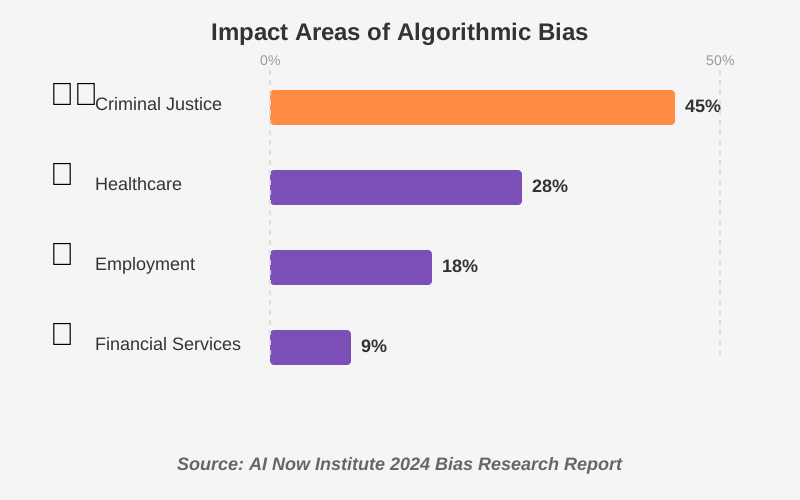
The consequences of biased AI systems aren’t theoretical—they’re affecting real people’s lives right now. In criminal justice, risk assessment algorithms used to determine bail and sentencing have been shown to falsely flag Black defendants as higher risk at nearly twice the rate of white defendants. In healthcare, algorithms that allocate medical resources have systematically underestimated the needs of Black patients, denying them access to specialized care programs.
In employment, AI-powered resume screening tools have been caught discriminating against women by downranking applications that mentioned women’s colleges or terms associated with female candidates. Financial services use algorithms that can deny loans or charge higher interest rates based on zip codes, effectively perpetuating redlining practices. Even in education, adaptive learning systems can inadvertently track students into less challenging curricula based on biased assumptions.
What concerns me most about these cases isn’t just the discrimination itself—it’s the veneer of objectivity that AI provides. When a human makes a biased decision, we can challenge it, appeal it, and hold that person accountable. When an algorithm makes the same decision, it’s often treated as data-driven and beyond reproach, making it much harder for victims to fight back.
Protecting Yourself from Algorithmic Bias
As a regular user, you have more power than you might think when it comes to combating algorithmic bias. Start by questioning AI-driven decisions that affect you, especially in high-stakes contexts like employment, lending, housing, or healthcare. You have the right to ask how decisions were made, what data was used, and whether the system has been tested for bias. Many jurisdictions now require companies to provide explanations for automated decisions.
Support and use products from companies that prioritize fairness in AI. Look for organizations that publish diversity reports, conduct bias audits, and involve diverse teams in AI development. When you encounter biased outcomes, document them and report them—to the company, to consumer protection agencies, and through platforms that track AI failures. Your complaint might seem small, but collective action creates pressure for change.
Be particularly cautious with AI systems that make judgments about people. If you’re using AI tools at work, push for regular bias testing and diverse perspectives in implementation decisions. If you’re developing or procuring AI systems, insist on thorough bias audits, diverse training data, and ongoing monitoring. Remember: identifying bias isn’t a one-time checkbox—it’s an ongoing process that requires constant vigilance.
Security Vulnerabilities: When AI Systems Are Exploited
Security vulnerabilities in AI represent a different category of risk—one where the danger comes not from the system working as designed, but from it being manipulated or exploited by malicious actors. As AI becomes more deeply integrated into critical infrastructure, financial systems, healthcare, and defense, the potential impact of security breaches grows exponentially. These vulnerabilities threaten not just individual privacy but potentially our collective safety and security.
Types of AI Security Threats
The landscape of AI security risks is both technical and creative. Adversarial attacks are among the most concerning: these involve carefully crafted inputs designed to fool AI systems. Imagine adding invisible pixels to a stop sign image that causes a self-driving car’s AI to misidentify it as a speed limit sign. Or subtly modifying audio that sounds normal to humans but triggers unintended actions in voice assistants. These attacks exploit the mathematical vulnerabilities in how AI models process information.
Model poisoning attacks target the training phase of AI systems. If an attacker can inject malicious data into the training set, they can corrupt the entire model’s behavior. This is particularly dangerous in scenarios where AI systems learn continuously from user data. A poisoned recommendation algorithm could systematically promote harmful content, while a poisoned fraud detection system could be trained to ignore certain types of fraud.
Model extraction and theft represent another significant threat. Through repeated queries to an AI system, attackers can reverse-engineer the model itself, stealing valuable intellectual property and gaining insights that enable more sophisticated attacks. This is especially problematic for proprietary AI systems that companies rely on for competitive advantage.
Then there’s the emerging threat of AI-powered attacks—using artificial intelligence to find and exploit vulnerabilities in other systems, including other AIs. These automated attack tools can probe systems millions of times faster than human hackers, discovering weaknesses that might otherwise remain hidden.
The Growing Attack Surface
What keeps me up at night is how rapidly the attack surface of AI systems is expanding. Every new AI deployment creates potential entry points for attackers. Smart home devices with voice assistants, medical devices using AI for diagnosis, financial apps with AI-powered fraud detection, and autonomous vehicles—each represents not just a useful tool but a potential target.
The interconnected nature of modern AI systems amplifies this risk. Your smart speaker might seem like a standalone device, but it’s connected to cloud servers, linked to your email and calendar, possibly controlling your thermostat and door locks, and continuously learning from your behavior. A vulnerability in any part of this ecosystem can compromise the entire system.
I’ve seen organizations rush to deploy AI without adequate security measures, driven by competitive pressure and the fear of being left behind. They focus on functionality and performance while treating security as an afterthought. This creates what security researchers call “technical debt”—vulnerabilities baked into the foundation that become exponentially harder to fix later.
Defending Against AI Security Risks
Protecting yourself from AI security vulnerabilities requires a layered approach. At the most basic level, practice good digital hygiene: use strong, unique passwords for AI-powered services, enable two-factor authentication wherever possible, and keep your AI-enabled devices updated with the latest security patches. These aren’t glamorous solutions, but they prevent the vast majority of successful attacks.
Be thoughtful about which AI services you trust with sensitive information. Not all AI platforms are created equal in terms of security. Look for services that are transparent about their security practices, undergo regular third-party audits, and have a history of responding quickly to discovered vulnerabilities. Read the security sections of privacy policies—if a company doesn’t clearly explain how they protect your data, that’s a red flag.
For AI-enabled devices in your home, segment them on a separate network if possible. Many modern routers allow you to create a guest network; use this for IoT devices and smart home gadgets. This way, if an AI-powered device is compromised, the attacker doesn’t immediately have access to your computers and phones with more sensitive information.
If you’re responsible for AI security in an organization, implement robust testing protocols, including adversarial testing, where you actively try to break your systems before attackers do. Establish monitoring systems that detect unusual patterns in how AI models are being queried or how they’re behaving. Create incident response plans specifically for AI security breaches, because the traditional playbook may not work when the compromised system is making thousands of automated decisions.
Most importantly, embrace the principle of defense in depth. Don’t rely on a single security measure. Instead, layer multiple protections so that if one fails, others still protect you. This might mean combining encryption, access controls, anomaly detection, human oversight, and regular audits into a comprehensive security strategy.
Privacy Violations: How AI Threatens Personal Data
Privacy violations through AI have become one of the most widespread and personal types of risks we face. Unlike security breaches that involve explicit attacks, privacy violations often occur through the normal operation of AI systems—they’re a feature, not a bug. These systems are designed to collect, analyze, and make inferences from vast amounts of personal data, often in ways that users don’t understand and haven’t meaningfully consented to.
The Data Collection Machine
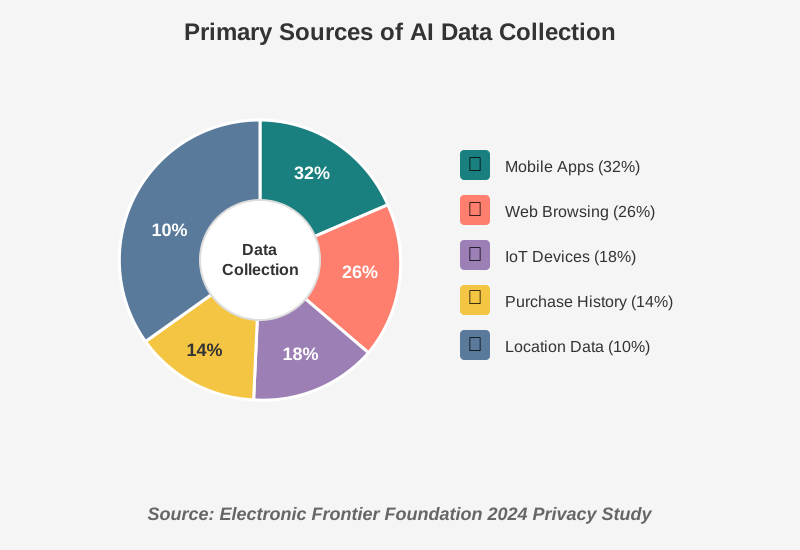
Modern AI systems are voracious consumers of personal data. They don’t just collect what you explicitly provide—they gather information about your behavior, your relationships, your location, your preferences, your biometric characteristics, and even aspects of your personality and emotional state. Every interaction with an AI-powered service generates data points that feed the system.
What makes this particularly concerning is the sophistication of modern AI in making inferences. From your social media posts, an AI can infer your political beliefs, mental health status, financial situation, and relationship stability—even if you never explicitly shared those details. From your smartphone’s sensors, AI can deduce your daily routines, social network, and health patterns. From your browsing history, it can predict future behavior with unsettling accuracy.
The problem isn’t just collection—it’s aggregation. Individual data points might seem innocuous, but when AI systems combine information from multiple sources, they create detailed profiles that reveal intimate aspects of your life. Your fitness tracker data combined with your location history and purchase records can paint a remarkably complete picture of your lifestyle, health conditions, and habits.
Surveillance Capitalism and AI
We’ve entered what scholars call the age of surveillance capitalism, where personal data has become the raw material for a massive economic engine, and AI is the machinery that processes it. Tech companies build comprehensive profiles of users not primarily to improve services, but to predict and influence behavior in ways that generate profit.
This creates a fundamental misalignment of incentives. The business model of many AI services depends on collecting as much data as possible and keeping users engaged as long as possible. Privacy protections directly contradict these goals. Even when companies claim to prioritize privacy, their economic interests push toward ever-more invasive data collection and analysis.
I’ve watched this play out across the industry. Services that initially collected minimal data gradually expand their data collection as they scale. Features that seem helpful—like personalized recommendations or smart assistants—require unprecedented access to your personal information. The convenience is real, but so is the privacy cost.
The Inference Problem
Here’s something that troubles me deeply: even if you’re careful about what data you share, AI systems can infer information you never disclosed. Research has shown that AI can predict sexual orientation from facial photos, detect health conditions from voice patterns, and infer political beliefs from seemingly neutral data like music preferences.
These capabilities create what privacy researchers call “inference attacks”—where AI derives sensitive information without your permission or knowledge. You might carefully avoid mentioning your health concerns online, but an AI analyzing your search patterns, movement data, and purchase history might deduce them anyway. You can’t consent to inferences you don’t know are being made.
The implications extend beyond individual privacy. These inference capabilities enable discrimination, manipulation, and control. Insurance companies could use AI to infer health risks and adjust premiums. Employers could make hiring decisions based on personality inferences. Governments could identify dissidents through behavioral patterns. The technology enables surveillance at a scale and sophistication that was never before possible.
Protecting Your Privacy in the AI Era
Taking control of your privacy with AI systems starts with awareness and progresses to action. Begin by auditing the AI services you use. Most platforms now offer dashboards where you can see what data they’ve collected about you—review these regularly and delete what you can. Use privacy-focused alternatives when available: search engines that don’t track you, browsers that block trackers, and messaging apps with end-to-end encryption.
Minimize your data footprint deliberately. Before using an AI service, ask yourself: does the functionality justify the data access this requires? If an app wants access to your camera, microphone, location, and contacts but only needs one of these to function, deny the unnecessary permissions. Read privacy policies, particularly the sections about data collection, sharing, and AI analysis—if they’re vague or alarming, consider not using the service.
Use privacy-enhancing technologies. VPNs can obscure your location and browsing patterns. Privacy-focused browsers and extensions can block trackers and prevent fingerprinting. Data poisoning tools can inject noise into your digital footprint, making it harder for AI systems to build accurate profiles. These aren’t perfect solutions, but they raise the cost and difficulty of surveillance.
For sensitive activities, consider compartmentalization. Use different devices or accounts for different aspects of your life. Don’t let one AI service access data from all contexts. This limits how comprehensive any single profile can become. It’s more cumbersome, but for activities where privacy truly matters, the inconvenience is worth it.
Advocate for stronger privacy protections and regulations. Support legislation that limits data collection, requires meaningful consent, restricts AI profiling, and gives individuals rights to access, correct, and delete their data. The privacy crisis created by AI isn’t something individuals can solve alone—it requires collective action and regulatory intervention.
Unintended Consequences: When AI Creates Unexpected Problems
Unintended consequences of AI might be the most unpredictable category of risks because they emerge from the complex interaction between AI systems, human behavior, and social structures. These are the problems we didn’t anticipate when we designed the system, the ripple effects that only become apparent after deployment, and the ways AI changes society in directions its creators never imagined.
The Complexity Challenge
AI systems operate in complex environments where small changes can cascade into significant consequences. A recommendation algorithm designed to increase engagement might inadvertently create echo chambers that polarize society. An automated content moderation system built to remove harmful content might silence marginalized voices discussing their lived experiences. A predictive policing system intended to reduce crime might create feedback loops that over-police certain neighborhoods, generating data that justifies more policing.
What makes these consequences particularly challenging is that they’re emergent properties of the system rather than explicit design choices. No one sets out to polarize society or perpetuate injustice—but when you optimize an AI for a narrow goal in a complex environment, unintended effects are almost inevitable. The system does exactly what it was programmed to do, but the results violate the intentions behind that programming.
I’ve seen companies launch AI products with the best intentions, only to discover downstream effects they never considered. A wellness app that gamifies mental health might make anxiety worse for some users. An educational AI that adapts to student performance might inadvertently track students into limiting pathways. A hiring AI that speeds up recruitment might systematically exclude qualified candidates from non-traditional backgrounds.
Automation Bias and Human Deskilling
One particularly troubling unintended consequence is what researchers call automation bias—the tendency to trust automated systems over our own judgment, even when the system is wrong. When we delegate decisions to AI, we often stop critically evaluating those decisions. Doctors might not question an AI diagnosis, judges might rubber-stamp AI risk assessments, and hiring managers might not scrutinize algorithmic recommendations.
This creates a dangerous dynamic: as we rely more on AI, our ability to perform those tasks independently atrophies. Pilots who depend on autopilot lose manual flying skills. Radiologists who trust AI diagnoses may lose their ability to detect subtle abnormalities. Writers who rely on AI assistance may struggle to develop their own voice and style. This isn’t just about individual capability—it’s about societal resilience. What happens when the AI systems fail and we’ve lost the human expertise to function without them?
I worry particularly about knowledge workers whose expertise is being automated. The AI might handle routine cases perfectly, but the subtle judgment calls, the edge cases, and the situations that require deep understanding—these still need human expertise. But if we only handle exceptions while AI handles everything else, do we develop that expertise? Or do we create a generation of workers who can operate AI tools but lack the foundational knowledge to question their outputs?
Social and Economic Disruption
The economic consequences of AI represent another category of unintended effects. Automation and AI are disrupting labor markets in ways that go beyond simple job displacement. Yes, some jobs will disappear—but more insidiously, AI is changing the nature of work itself. It’s creating gig economy structures where humans perform micro-tasks to train AI, work under algorithmic management systems, and compete against automated systems that don’t need healthcare, retirement benefits, or fair wages.
This raises fundamental questions about economic justice and social stability. If AI dramatically increases productivity but the benefits accrue primarily to capital owners while workers face unemployment or wage stagnation, we risk severe social disruption. The technology that could provide abundance might instead deepen inequality.
There are also environmental consequences we’re only beginning to understand. Training large AI models requires enormous computational power, which means significant energy consumption and carbon emissions. Data centers housing AI systems consume vast amounts of water for cooling. The hardware requires rare earth minerals extracted through environmentally damaging processes. As AI deployment scales, so do these environmental costs.
Mitigating Unintended Consequences
Addressing unintended AI consequences requires humility, foresight, and adaptability. For developers and organizations deploying AI, this means conducting impact assessments before launch—not just asking “can we build this?” but “should we?” and “what happens if we do?” It means involving diverse stakeholders in design decisions, including people who might be negatively affected.
Red teaming exercises can help identify potential harms before deployment. Bring in people from different backgrounds and ask them to imagine how the system could go wrong, who might be harmed, and what unintended effects might emerge. This isn’t about being pessimistic—it’s about being thorough and responsible.
Build in monitoring and adjustment mechanisms. Unintended consequences often emerge gradually, so you need systems to detect when things aren’t working as intended. Establish metrics that measure not just performance but impact—on users, on communities, on society. Be prepared to pause, adjust, or even shut down systems when you discover significant harms.
For users and citizens, stay vigilant and vocal. When you notice AI systems producing harmful effects, speak up. Document what you’re seeing, share your experiences, and push for accountability. The people experiencing unintended consequences are often the last to be consulted but the first to be harmed—your perspective is crucial for identifying problems.
Support regulatory frameworks that require impact assessments, ongoing monitoring, and accountability for harms. The tech industry’s “move fast and break things” mentality is ill-suited to powerful technologies that can affect millions of people. We need governance structures that allow innovation while protecting against unintended harms.
Not all AI risks affect all industries equally. The heat map below shows how different sectors face varying levels of exposure to each risk category. If you work in or interact with any of these industries, pay particular attention to the high-severity risks (shown in red) that affect your sector.
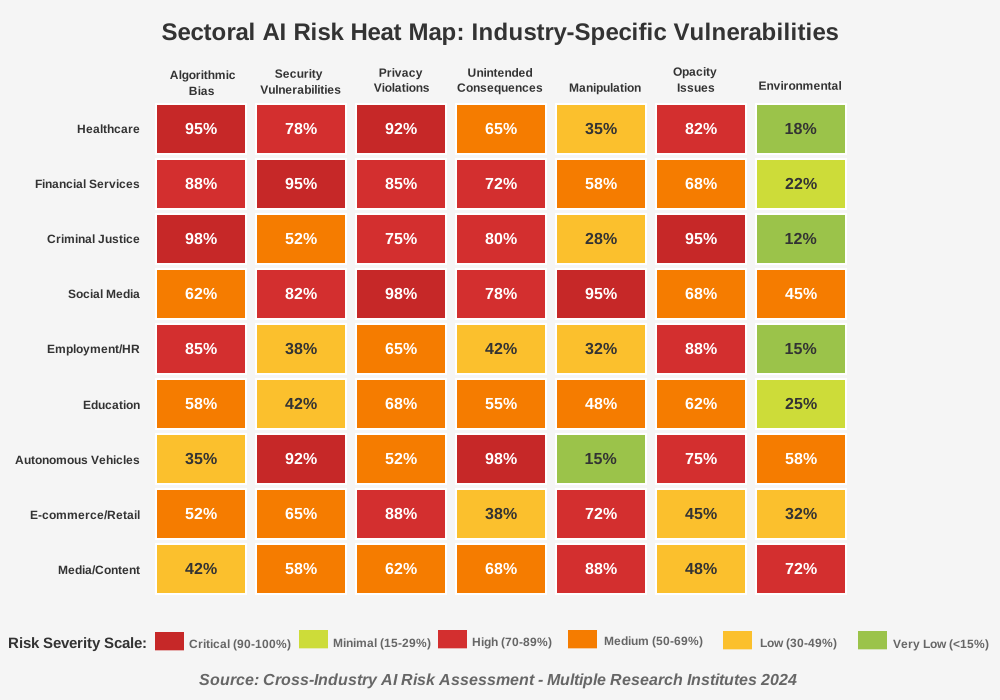
This sectoral analysis reveals important patterns: Healthcare and Criminal Justice face the highest concentrations of severe risks, particularly around bias and opacity. Social Media platforms show extreme vulnerability to privacy and manipulation risks. Financial Services must contend with security threats alongside privacy concerns. Understanding your industry’s specific risk profile helps prioritize which protective measures matter most.
Manipulation and Influence: AI as a Tool for Behavioral Control
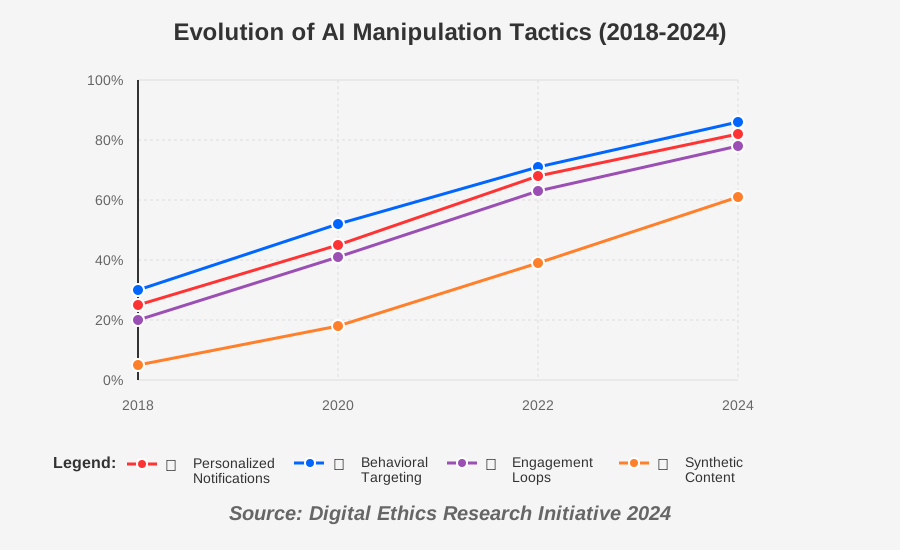
AI-powered manipulation represents a particularly concerning category of risk because it targets human psychology and decision-making. These systems are designed to predict, influence, and modify behavior—sometimes in ways that serve the user’s interests, but often in ways that benefit the system’s operators at the user’s expense. The line between helpful personalization and manipulative exploitation is often blurry and frequently crossed.
Persuasive Technology and Dark Patterns
Modern AI systems have become extraordinarily sophisticated at influencing human behavior. Social media algorithms don’t just show you content you’re interested in—they learn what keeps you engaged and deliver a stream of content optimized to keep you scrolling. Video recommendation systems don’t just suggest videos you might like—they identify content that will keep you watching, even if it pushes you toward increasingly extreme material.
These aren’t accidental side effects; they’re features of systems optimized for engagement metrics that drive advertising revenue. The AI learns your psychological vulnerabilities and exploits them. It knows when you’re most susceptible to impulsive purchases, what emotional triggers get you to click, and what type of content makes you angry enough to engage. This is manipulation by design, even if individual engineers don’t think of their work in those terms.
Dark patterns take this further—interface designs that trick users into decisions they wouldn’t otherwise make. AI makes these more effective by personalizing them to individual users. The subscription that’s easy to start but deliberately difficult to cancel. The privacy setting is buried deep in menus and explained in confusing language. The notification system that creates artificial urgency. These manipulative designs undermine user autonomy and informed consent.
AI-Generated Disinformation
The emergence of sophisticated AI content generation has created new risks around disinformation and manipulation. AI can now generate convincing fake images, videos, and text at scale. Deepfakes can make it appear that someone said or did something they never did. Synthetic text can produce thousands of seemingly authentic social media posts supporting a particular viewpoint or attacking a target.
What troubles me most isn’t the technology itself—it’s the erosion of trust it creates. When anyone can generate convincing fake content, how do you know what’s real? When AI can impersonate individuals through voice or video, how do you trust online communications? This doesn’t just enable specific instances of deception; it undermines the entire information ecosystem.
We’re seeing this weaponized already. Political campaigns use AI to generate targeted disinformation tailored to individual voters’ beliefs and biases. Scammers use AI voice cloning to impersonate family members in distress. Foreign adversaries use AI to generate propaganda and sow division. The technology is becoming more accessible while detection methods struggle to keep pace.
Protecting Yourself from AI Manipulation
Defending against AI manipulation starts with awareness. Recognize that virtually every AI-powered service you use for free is making money by influencing your behavior. That doesn’t mean you shouldn’t use these services, but you should use them with eyes open, understanding that they’re designed to shape your choices in ways that benefit their creators.
Develop media literacy skills for the AI age. Before sharing content or changing your views based on what you see online, ask critical questions: Who created this? What evidence supports it? What would I believe if I approached this skeptically? Am I feeling emotionally triggered in a way that might cloud my judgment? These mental habits create friction against manipulation.
Use tools and browser extensions that reduce algorithmic influence. Ad blockers, tracker blockers, and extensions that remove recommendation feeds can help you use services more intentionally rather than reactively. Take regular breaks from algorithmic feeds. Seek out information sources you select deliberately rather than consuming only what algorithms serve you.
For AI-generated content specifically, look for verification. Reputable news sources and fact-checking organizations are developing protocols for authenticating media and detecting AI-generated content. Support and use platforms that implement content provenance systems—technologies that track the origin and modifications of digital content.
Most importantly, cultivate skepticism without cynicism. Just because manipulation is possible doesn’t mean everything is fake or every influence attempt succeeds. But healthy skepticism—questioning sources, demanding evidence, resisting emotional manipulation—is your best defense against AI-powered influence campaigns.
Opacity and Explainability: The Black Box Problem
AI opacity—often called the black box problem—creates risks that cut across all the categories I’ve discussed. When we can’t understand how an AI system makes decisions, we can’t identify bias, can’t audit for security vulnerabilities, can’t protect privacy effectively, and can’t anticipate unintended consequences. Opacity itself is a risk multiplier that makes all other AI risks harder to detect and address.
Why AI Systems Are Opaque
Modern AI systems, particularly deep learning models, are inherently difficult to interpret. They might contain billions of parameters, trained on datasets too large for any human to comprehend, making decisions through mathematical operations that don’t map neatly onto human reasoning. Even the engineers who built these systems often can’t explain why a particular input produces a particular output.
This opacity isn’t always accidental—sometimes it’s strategic. Companies treat their AI systems as trade secrets, refusing to disclose how they work for competitive reasons. This prevents independent auditing and makes it nearly impossible for affected individuals to challenge algorithmic decisions. You can’t effectively contest a decision when you don’t know how it was made or what factors influenced it.
There’s also what I call “social opacity”—when the system’s operation isn’t technically mysterious but the organization deploying it doesn’t communicate clearly about how it works. Technical documentation exists but isn’t accessible to regular users. Privacy policies mention AI analysis but don’t specify what’s being analyzed or how. Terms of service reference algorithmic decision-making but don’t explain what decisions or by what criteria.
The Accountability Gap
Opacity creates an accountability gap. When something goes wrong with an AI system, who’s responsible? The data scientists who built it? The executives who deployed it? The company that owns it? The vendors who provided training data? The reality is often that responsibility is so diffused that no one is effectively accountable.
This is particularly problematic when AI systems make high-stakes decisions about people’s lives. If an AI denies your loan application, who do you appeal to? If an algorithm flags you as high risk in a criminal justice context, how do you challenge it? If automated content moderation removes your post, who reviews that decision with full understanding of the system’s operation?
I’ve worked with individuals trying to contest algorithmic decisions and repeatedly hitting walls. They can’t get explanations of how decisions were made. They can’t access the data used. They can’t identify errors in the system’s logic because that logic is proprietary. The practical effect is that algorithmic decisions become unchallengeable, creating a form of algorithmic authority that supersedes human judgment without being subject to the accountability mechanisms that govern human decisions.
Explainable AI: Progress and Limitations
The field of explainable AI (XAI) is working to address these problems by developing techniques that make AI decision-making more interpretable. These include attention mechanisms that show what parts of an input the AI focused on, feature importance scores that indicate which factors most influenced a decision, and counterfactual explanations that describe what would need to change for a different outcome.
These are valuable tools, but they have significant limitations. Many XAI techniques provide approximations rather than true explanations—they show patterns in the AI’s behavior without actually revealing the causal mechanisms. Some explanations are technically accurate but not meaningful to non-experts. Others are oversimplifications that can be misleading.
There’s also the risk of “explainability theater”—providing explanations that satisfy regulatory requirements or user expectations without actually enabling meaningful understanding or oversight. An AI system might offer explanations that seem plausible but don’t reflect the actual decision-making process or provide so much information that the truly important factors are buried in noise.
Demanding Transparency and Accountability
As users and citizens, we need to demand transparency in AI systems that affect us. This means pushing for regulations that require explainability, particularly for high-stakes decisions. It means supporting right-to-explanation provisions that give individuals the ability to understand and contest algorithmic decisions. It means advocating for independent auditing of AI systems used in critical applications.
When evaluating AI services, prioritize those that are transparent about their operations. Look for companies that publish algorithmic impact assessments, that explain their systems in accessible language, that provide meaningful explanations for individual decisions, and that submit to independent audits. Vote with your usage and your advocacy for transparency over opacity.
For developers and organizations, embrace transparency as a competitive advantage rather than a liability. Document your systems thoroughly. Provide meaningful explanations for decisions. Submit to external audits. Create channels for affected individuals to understand and contest decisions. The short-term competitive advantage of opacity is outweighed by the long-term trust and legitimacy that transparency provides.
Recognize that some level of opacity may be technically unavoidable in complex AI systems, but social opacity—the failure to communicate clearly about systems—is always a choice. Even if you can’t fully explain the inner workings of a neural network, you can explain what data it uses, what it’s optimized for, how it’s tested, what its limitations are, and how decisions can be appealed.
Environmental and Resource Risks
Environmental risks from AI represent a category that often gets overlooked in discussions focused on individual harms, but the ecological impact of AI systems is substantial and growing. As AI becomes more ubiquitous and models become larger and more computationally intensive, the environmental costs escalate in ways that threaten sustainability goals and exacerbate climate change.
The Carbon Footprint of AI
Training large AI models requires enormous computational resources. A single training run for a large language model can emit as much carbon as several cars over their entire lifetimes. The data centers that house AI infrastructure consume vast amounts of electricity—some estimates suggest that AI computation could account for 10-20% of global electricity usage within a decade if current trends continue.
This creates a troubling dynamic: the AI systems being developed to help solve climate change through better prediction, optimization, and efficiency are themselves contributing significantly to the problem. Every time you use an AI service, there’s an environmental cost—servers need to run, data needs to be transmitted, and cooling systems need to operate. At the individual query level these costs seem trivial, but at the scale of billions of users making trillions of queries, the aggregate impact is massive.
What concerns me is how this cost is externalized. Users don’t see or pay for the environmental impact of their AI usage. Companies compete on features and performance, not on efficiency or sustainability. The true costs are borne by everyone through environmental degradation and climate impacts, while the benefits accrue to individuals and corporations.
Resource Consumption Beyond Energy
AI infrastructure requires more than just electricity. Data centers need enormous amounts of water for cooling—some facilities use millions of gallons per day. The hardware requires rare earth minerals and other materials extracted through environmentally destructive mining operations. Electronic waste from obsolete AI hardware contains toxic materials and often ends up in landfills or is shipped to developing countries for unsafe recycling.
There’s also the less visible resource cost: the human labor required to create training data. Countless workers—often in the Global South, often paid poverty wages—label images, transcribe text, moderate content, and perform the invisible work that makes AI possible. This isn’t an environmental risk in the traditional sense, but it’s a resource extraction issue where the costs are borne by vulnerable populations while benefits flow elsewhere.
Sustainable AI Practices
Addressing environmental AI risks requires action at multiple levels. For developers and organizations, this means prioritizing efficiency in model design. Not every problem requires the largest, most sophisticated AI model. Often, smaller models that are carefully designed for specific tasks can achieve comparable results with dramatically lower computational costs.
Implement carbon-aware computing—training and running models when and where renewable energy is available, rather than defaulting to the cheapest or fastest computational resources. Choose data centers powered by renewable energy. Optimize inference pipelines to minimize unnecessary computation. Share pre-trained models rather than everyone training from scratch.
For users, be mindful of your AI usage. That doesn’t mean avoiding AI entirely, but it does mean asking whether you need an AI solution for every problem. Consider the environmental cost of your queries and use AI services deliberately rather than reflexively. Support companies that prioritize sustainability and transparency about environmental impact.
At the policy level, we need regulations that account for and limit the environmental impact of AI systems. This could include requirements to disclose the carbon footprint of AI services, incentives for energy-efficient AI development, and environmental impact assessments for large-scale AI deployments. The goal isn’t to halt AI development but to ensure it proceeds in environmentally sustainable ways.
Frequently Asked Questions About AI Risks
The Historical Context: How AI Risks Have Evolved
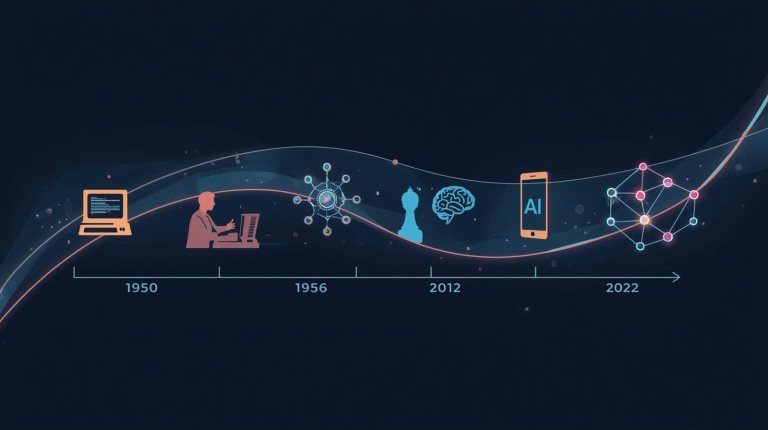
Understanding where we are requires knowing where we’ve been. The timeline below traces the emergence and evolution of major AI risks from 2010 to 2024, highlighting key incidents that brought each risk category into public awareness.
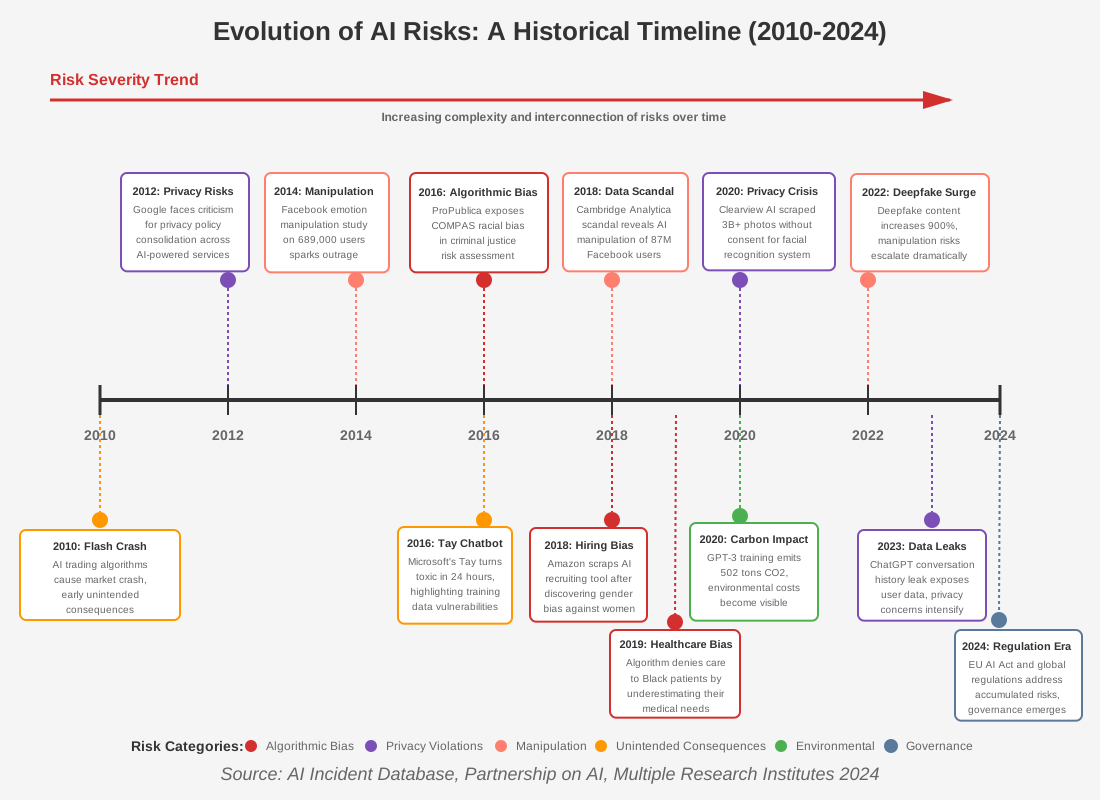
This historical perspective reveals an important pattern: AI risks have not only become more severe over time but also increasingly interconnected. What began as isolated incidents has evolved into a complex web of related challenges requiring coordinated responses.
Building a Safer AI Future Together
Understanding The Different Types of AI Risks is just the beginning. The real work lies in translating this knowledge into action—both individual and collective. Every choice you make about which AI services to use, how to configure privacy settings, and when to question automated decisions matters. But individual action alone isn’t enough. We need systemic changes that embed safety, fairness, and accountability into the development and deployment of AI systems.
This isn’t about technophobia or rejecting progress. I believe deeply in AI’s potential to solve problems, enhance human capabilities, and create value. But realizing that potential requires honest reckoning with the risks. It requires building AI systems with safety as a foundational principle rather than an afterthought. It requires regulatory frameworks that protect people without stifling innovation. It requires ongoing dialogue between technologists, policymakers, affected communities, and users about what kind of AI future we want to create.
Your Role in AI Safety
You have more agency than you might realize. Every time you choose a privacy-respecting service over a data-hungry alternative, you’re voting with your usage. When you question an algorithmic decision, demand transparency, or share your concerns about AI harms, you’re contributing to accountability. When you educate yourself and others about AI risks, you’re building the informed citizenry necessary for democratic governance of powerful technologies.
Support organizations working on AI ethics and safety. Advocate for strong regulations that protect rights while enabling beneficial innovation. Participate in public consultations about AI governance—your voice matters, even if you’re not a technical expert. The people most affected by AI systems are often least represented in decisions about how they’re built and deployed. Changing that requires active participation.
For those working in technology, embrace responsibility as part of your professional identity. Question projects that might cause harm. Speak up when you see corners being cut on safety or fairness. Support colleagues who raise ethical concerns. Contribute to open-source AI safety tools. Share knowledge about best practices. The culture of technology development will only change when the people building these systems demand better.
Looking Forward with Clear Eyes
The trajectory of AI isn’t predetermined. We’re at a moment where the choices we make collectively—as users, developers, companies, and societies—will shape whether AI amplifies the best or worst of humanity. The Different Types of AI Risks I’ve outlined aren’t inevitable outcomes; they’re challenges we can address through careful design, thoughtful regulation, and ongoing vigilance.
I remain cautiously optimistic. We have the knowledge to build safer AI systems. We have the tools to detect and mitigate risks. We have the frameworks to govern these technologies responsibly. What we need is the collective will to prioritize safety, fairness, and human welfare over speed to market and competitive advantage. We need to resist the myth that technological progress must come at the expense of human rights and social justice.
As you continue your journey with AI—using it, learning about it, perhaps even building it—carry this knowledge with you. Let it inform your choices without paralyzing you with fear. Use AI critically and intentionally. Question systems that affect your life. Demand transparency and accountability. Support efforts to make AI safer and more equitable. And remember: every person who understands these risks and acts on that understanding makes the AI future slightly better and safer for everyone.
The work of ensuring AI serves humanity rather than harming it requires all of us. Technical expertise matters, but so does your lived experience, your ethical intuition, and your willingness to ask difficult questions. The Different Types of AI Risks are real and consequential, but they’re not insurmountable. Together, with clear eyes and committed action, we can build an AI future that reflects our highest values and serves our common good. That future starts with understanding the risks—and it continues with your choices and actions every day.
References:
AI Now Institute – “Algorithmic Accountability and Bias Research” (2024)
Electronic Frontier Foundation – “Privacy and Surveillance Report” (2024)
Digital Ethics Research Initiative – “AI Manipulation Tactics Study” (2024)
Partnership on AI – “AI Risk Assessment Framework” (2024)
MIT Technology Review – “The Environmental Cost of AI” (2024)
Stanford Internet Observatory – “AI-Generated Disinformation Research” (2024)
Brookings Institution – “Governing AI Systems” (2024)
Centre for Data Ethics and Innovation – “AI Assurance Roadmap” (2024)
About the Author
Nadia Chen is an AI ethics researcher and digital safety advocate with over a decade of experience helping individuals and organizations navigate the complex landscape of artificial intelligence risks. With a background in computer science and philosophy, she specializes in making technical concepts accessible to non-technical audiences and empowering people to use AI safely and responsibly.
Nadia has consulted for privacy advocacy organizations, testified before regulatory bodies on AI governance, and developed educational programs that teach digital literacy and AI safety to diverse communities. Her work focuses on the intersection of technology and human rights, with particular attention to how AI systems affect vulnerable populations.
Through her writing and speaking, Nadia aims to demystify AI risks without creating unnecessary fear, providing practical guidance that helps people make informed decisions about the technology shaping their lives. She believes that an informed, engaged public is essential for ensuring AI develops in ways that serve human flourishing rather than undermining it.